

Products
Behind The Ear (BTE) Hearing Aid Accessories & Compatibility Guide | Japebo
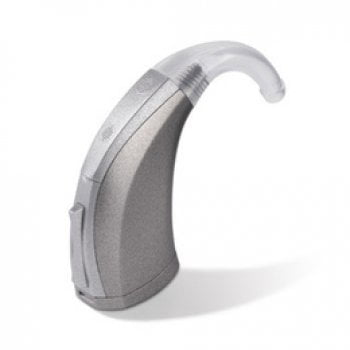
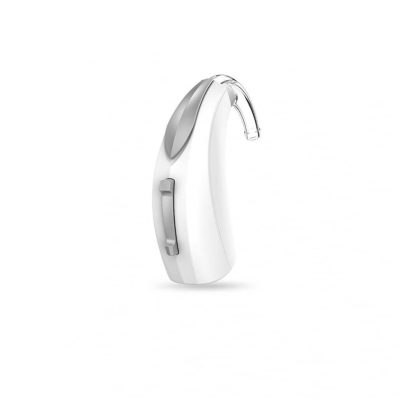
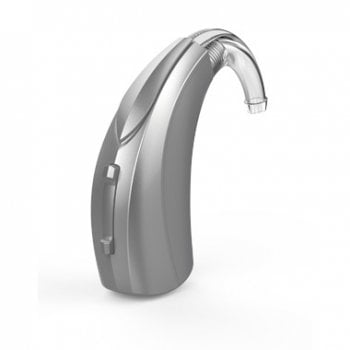
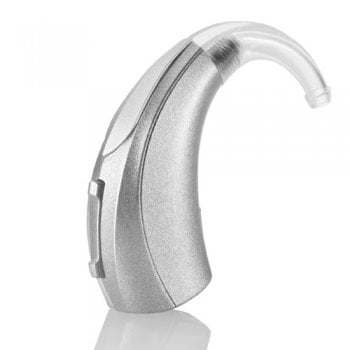
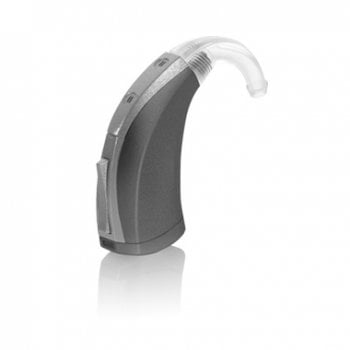
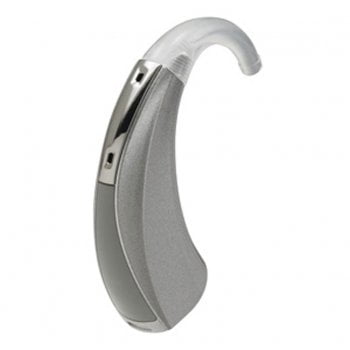
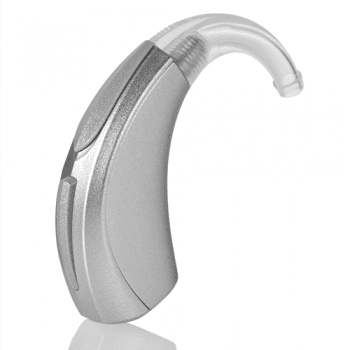
Behind The Ear hearing aids (BTE) are popular because they’re robust, comfortable, and compatible with many ear-coupling options. This guide explains what a BTE hearing aid is, which accessories typically fit BTE models, and how to choose the right parts so you avoid ordering the wrong size or type.
What is a Behind The Ear (BTE) hearing aid?
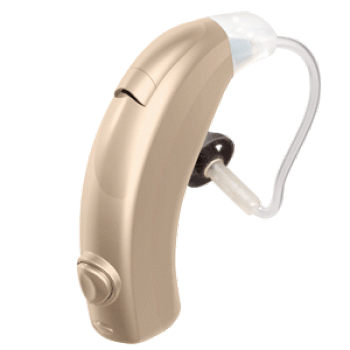
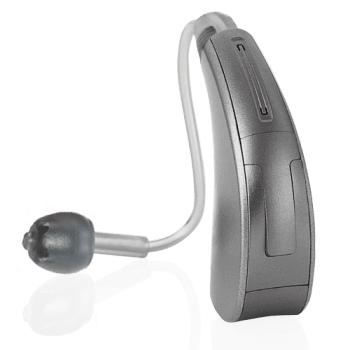
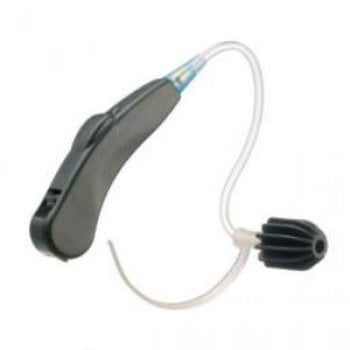
A BTE hearing aid sits behind the ear and sends sound into the ear canal through either a thin tube (classic BTE) or a receiver-in-canal setup (RIC/RITE, sometimes grouped with BTE styles). The exact accessory you need depends on which of these two constructions you have:
Classic BTE (tube + earmould): Sound travels through a plastic tube to an earmould or thin-tube tip.
RIC/RITE (receiver in the ear): The receiver (speaker) sits in the ear canal and connects to the hearing aid body via a thin wire.
If you’re unsure which type you have, look for either a clear/grey plastic tube running from the device to the ear, or a thin wire with a small speaker unit at the end.
Common BTE accessory types (and what they do)
BTE hearing aids can use several accessory categories. The key is to match the accessory to your BTE construction (tube vs receiver wire) and to your exact model connection style.
Domes (for many RIC/RITE and slim-tube fittings)
Domes are soft silicone tips that sit in the ear canal. They affect comfort, retention, and sound (especially bass and feedback). Common dome styles include open, vented, and power/closed domes. Domes are typically size-specific and system-specific, so the same “size M” may not fit different dome systems.
Tubes (for classic BTE or thin-tube fittings)
Tubes carry sound from the hearing aid to the earmould or tip. They harden over time, can discolor, and may start to slip or whistle. Tube compatibility depends on the diameter/system used by your BTE and whether it’s standard tubing or a slim-tube system.
Receivers (for RIC/RITE)
If your BTE uses a receiver wire, the receiver is a replaceable part that can fail (weak sound, crackling, no sound) or need a different power level. Receiver compatibility is highly model-specific and varies by connector type, manufacturer, and power class.
Wax filters / guards
Wax protection helps prevent earwax and debris from damaging the receiver or sound outlet. Different hearing aids use different wax filter systems, and using the wrong type can lead to poor fit or reduced sound.
Retention locks, sports locks, and stabilisers
These small parts improve stability in the ear, especially for active users or if domes feel loose. They must match your dome/receiver system.
Earmoulds and tips
Many classic BTE users wear custom earmoulds. These are usually made to order and paired with specific tubing and hooks. If you use an earmould, most day-to-day replacements involve tubes rather than domes.
How to choose the correct BTE accessory
Use these checks to narrow down the right option before you buy:
Identify your BTE type: tube (classic BTE) or wire/receiver (RIC/RITE).
Check your current part: the easiest way to match is to compare shape, connector, and any markings on the existing dome/receiver/filter.
Confirm size: domes and tubes come in sizes/lengths. If you’re between sizes, comfort and seal usually improve by choosing the closest match to your current part.
Know what problem you’re fixing:
Whistling/feedback: often a poor seal (dome size/style) or hardened tubing.
Muffled sound: commonly wax filter blockage or debris in the sound outlet.
No sound or intermittent sound (RIC): can indicate a failing receiver or clogged filter.
If you can share the hearing aid model name/number (often inside the battery door or in your app) and a photo of the part you want to replace, it becomes much easier to confirm compatibility.
Common BTE issues and quick fixes
Feedback (whistling)
Try a fresh dome (same system) in the same size, or one size up if the fit is loose. For classic BTE, replace hardened tubing and ensure the earmould sits fully in place.
Weak or muffled sound
Replace the wax filter/guard if your system uses one, and check the sound outlet for debris. If you have RIC/RITE and the problem persists, the receiver may need replacement.
Domes won’t stay on / keep slipping off
This often points to a dome-system mismatch. Domes must match the exact receiver or slim-tube system. Also check whether a retention lock is required for your setup.
Buying BTE accessories online (what to check before checkout)
To buy confidently, make sure you can answer:
Is your device a classic BTE (tube) or RIC/RITE (receiver wire)?
Are you replacing the same part type (dome, tube, receiver, wax filter)?
Does the product listing specify compatibility with your system/model?
Once you’ve matched the right system and size, replacing BTE consumables regularly can improve comfort, reduce issues, and keep sound quality stable.
FAQ – Behind The Ear (BTE) accessories
Are BTE and RIC/RITE the same?
They’re related styles. Both sit behind the ear, but classic BTE uses a tube to an earmould/tip, while RIC/RITE places the receiver in the ear canal on a wire. Accessories differ significantly between the two.
How often should I replace domes, tubes, and wax filters?
It varies with use and earwax production, but many users replace domes every few weeks, wax filters when sound becomes muffled (or on a routine schedule), and tubing when it hardens or discolors.
Can I use any “universal” dome on my BTE hearing aid?
Usually not. Domes often look similar but attach differently depending on the receiver or slim-tube system. Matching the correct system is essential for a secure fit and proper sound.
What if I don’t know my model?
Check your paperwork, hearing aid app, or the label on the device. If you still can’t find it, compare your existing parts and use photos to confirm the right accessory type.
My BTE is whistling after I changed the dome—what did I do wrong?
Most often the dome style/size doesn’t seal the way your fitting requires, or the dome isn’t fully seated. Try the correct system, ensure full attachment, and consider a different dome style (e.g., more closed) if advised for your hearing loss.