Starkey S Series BTE Accessories & Compatibility Guide | Japebo
If you use a Starkey S Series BTE hearing aid and need replacement parts, you’re in the right place. This guide explains which accessories typically fit Starkey S Series BTE models, how to confirm compatibility before you buy, and what to choose when there are multiple options.
What “Starkey S Series BTE” means for accessories
BTE (Behind-The-Ear) hearing aids use external parts that wear out over time—most commonly tubes, earhooks, earmould parts, and cleaning items. Accessory compatibility is usually determined by the sound delivery setup on your device:
Classic tube + earmould (common on many BTE fittings)
Thin tube fittings (slimmer tubing and smaller tips)
Receiver-in-ear (RIE/RIC) fittings (receiver and receiver filters) – less common under “BTE” naming, but can appear depending on model/market
Because “S Series” can include different configurations, the safest approach is to identify the parts currently on your hearing aid before ordering replacements.
How to check which Starkey S Series BTE accessory you need
Use these quick checks to reduce the risk of buying the wrong part:
Look at the tube style: Is it a thicker standard tube going into an earmould, or a thin, clear tube going to a small tip?
Check for markings: Some tubes and tips have size numbers or L/R indicators.
Compare shapes: Earhooks and tubes are often model- and style-specific (angle, length, connection type).
Check your paperwork: Your audiologist invoice or fitting sheet may list the tube or coupling type.
If you’re unsure, match your replacement to the part you’re wearing now (same look, same connection, same size). When available, use product photos and sizing notes to confirm.
Common Starkey S Series BTE accessory types (and what they do)
Hearing aid tubing (standard or thin tube)
Tubing carries sound from the hearing aid to your ear. Over time, tubes can become stiff, yellowed, or cracked, which can impact comfort and sound quality. If sound seems weaker or the fit has become uncomfortable, replacing the tube is often a good first step.
Earhooks (for standard BTE setups)
The earhook connects the hearing aid to the tubing. If the hook feels loose, rotates too easily, or shows cracks, it may need replacement. A well-fitting earhook helps keep sound delivery stable and reduces feedback issues.
Earmould parts and tips (depending on your fitting)
Some Starkey S Series BTE users wear an earmould, while others use a tip/dome-style coupling with thin tubing. Choosing the correct type and size is mainly about comfort, retention, and feedback control.
Wax protection and cleaning accessories
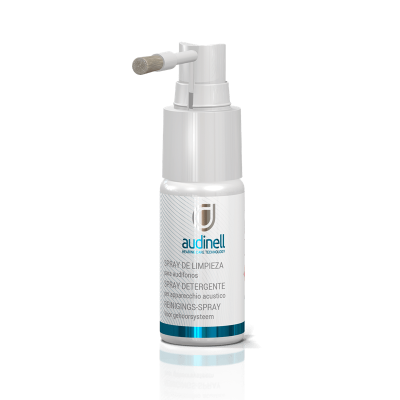
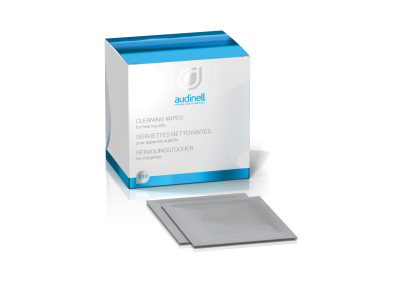
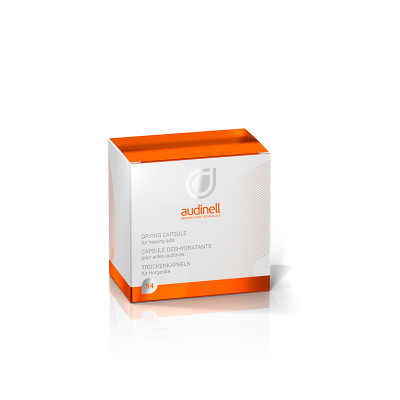
Even BTE devices can be affected by wax and moisture in the sound path (especially at the end of tubing or within tips). Regular maintenance helps prevent blockages, reduced volume, and intermittent sound. Cleaning tools and drying solutions can extend the life of wearable parts.
How to choose the right option (comfort, feedback, and sound)
If more than one compatible option is available, use these guidelines:
More open fit: Often feels more natural and breathable, but may increase the risk of feedback at higher volumes.
More closed fit: Can improve bass and reduce feedback, but may feel more occluding.
Tube length/size: Must match your ear and device position for comfort and stability—too short can pull; too long can flop.
If you’re replacing like-for-like and your current setup works well, choose the same style and size again.
Troubleshooting: common problems and what to replace
Whistling/feedback: Check for poor fit, hardened tubing, or a loose earhook; replacing worn parts often helps.
Low or muffled sound: Inspect for wax/moisture blockage at the end of the tube/tip; replace tubing if it’s stiff or discolored.
Intermittent sound: Moisture and debris in the sound path can cause dropouts; dry and clean, then consider replacing tubing or tips.
Discomfort: A change in tube length, tip size, or mould fit can restore comfort.
Buy Starkey S Series BTE accessories at Japebo
Japebo makes it easy to replace the parts that most often wear out on Starkey S Series BTE hearing aids. Choose the accessory type that matches your current setup, compare sizes carefully, and replace parts proactively to keep sound and comfort consistent.
FAQ: Starkey S Series BTE accessories
Are all Starkey BTE accessories compatible with S Series BTE?
Not always. “BTE” describes the style, but compatibility depends on the coupling system (standard tube/earhook vs thin tube, and the specific connector type). Always match the style and size you currently use.
How often should I replace tubing on a Starkey S Series BTE?
It depends on wear, moisture, and skin oils, but many users replace tubing when it becomes stiff, yellowed, cracked, or uncomfortable, or if sound quality drops.
What if I don’t know which part I have?
Identify whether you have a standard tube + earmould or a thin tube + tip setup, then compare connection points and sizes. If you can, use your existing part as a visual reference when selecting a replacement.
Can wrong accessories affect sound quality?
Yes. The wrong tubing length, tip size, or coupling type can cause feedback, reduced volume, or poor comfort. When in doubt, replace like-for-like.