
Starkey Destiny BTE Accessories & Compatibility Guide | Japebo
If you’re looking for Starkey Destiny BTE accessories, the main goal is simple: make sure the part you buy actually fits your specific Destiny behind-the-ear hearing aid and matches your current setup (tube and earmould/hook style, battery size, and wear-and-care needs). This guide explains what typically fits Starkey Destiny BTE models, how to identify what you need, and how to avoid the most common compatibility mistakes.
What “Destiny BTE” means (and why compatibility can vary)
Starkey Destiny BTE refers to Starkey’s Destiny family in a behind-the-ear form factor. Even within the same family, BTE units can be configured differently depending on:
Tube style (standard/thick tube vs thin tube, depending on configuration)
Sound delivery (earmould vs dome-style coupling, where applicable)
Battery size (varies by specific model)
Earhook and tubing dimensions (these must match to prevent feedback and poor sound)
Because “Destiny BTE” can cover multiple variants, the safest approach is to match accessories to what you already use (tube diameter, earmould tubing size, and battery type), or confirm the exact model name printed on your hearing aid.
Most-used Starkey Destiny BTE accessory types
Batteries (correct size is essential)
Destiny BTE devices use standard zinc-air hearing aid batteries, but the size depends on the exact Destiny BTE model (commonly size 13 or 675 for many traditional BTE fittings, though this is not universal). To choose correctly:
Check the battery door or existing battery packaging for the size number/colour code.
Match the size exactly (do not “guess up” or “guess down”).
If you tell us the battery size you currently use, you can buy confidently without needing the full model code.
Tubes (replace when sound drops, gets intermittent, or the tube hardens)
Many Starkey Destiny BTE fittings use standard BTE tubing that connects the earhook to an earmould. Tubes are wearable items: they harden, yellow, and can develop tiny cracks that cause whistling or reduced sound.
To choose the right tube, you typically need to match:
Tube thickness (standard vs thin, depending on your setup)
Inner/outer diameter (must fit both earhook and earmould securely)
Length (usually cut-to-fit; you can measure against your current tube)
Earhooks (BTE hooks) and coupling parts
The earhook is the small curved plastic piece on the hearing aid where tubing attaches. If it becomes loose, cracked, or blocked with moisture/debris, you may experience feedback (whistling), poor sound, or a tube that won’t stay on.
Earhook compatibility is more specific than batteries, so matching by exact hearing aid model (or comparing the hook shape to your existing one) is important.
Cleaning & care items (universal but still relevant)
Even when parts are not model-specific, they are essential for reliable performance with Starkey Destiny BTE hearing aids:
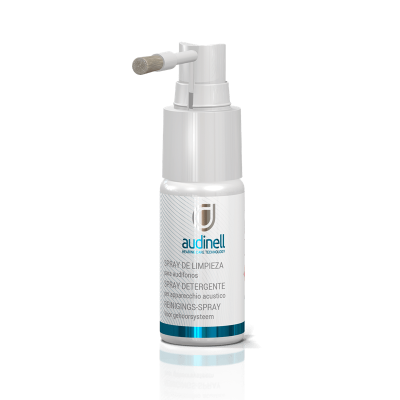
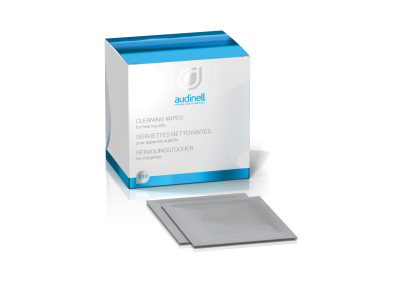
Cleaning wipes/spray for earmoulds and BTE surfaces
Tube blowers and cleaning wires to remove moisture and wax from tubing
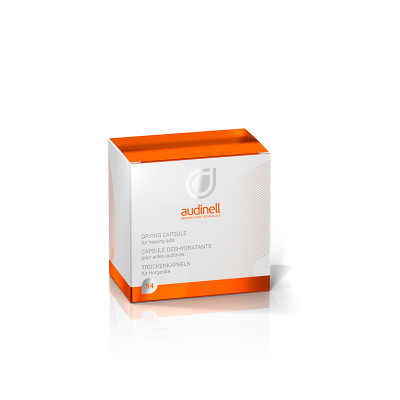
Drying solutions to reduce moisture-related dropouts
How to choose the correct Starkey Destiny BTE accessory
Use this quick, low-risk method to ensure you’re on the right track:
1) Identify what you already have
Battery: read the size from your current battery pack (e.g., 13 or 675).
Tubing: compare thickness and fit to your current tube; if possible, measure diameter.
Earhook: visually match the shape and attachment style to your current hook.
2) Look for the compatibility clue: BTE + earmould vs thin tube
If your Destiny BTE uses an earmould, you will typically need standard tubing and earmould-compatible parts. If your device is configured with a thinner, more discreet tube, the tube and connectors are different and must be matched accordingly.
3) When in doubt, match by model label
Check the text printed on the hearing aid casing (often inside the battery door area or on the body). If you can provide that model info, it becomes much easier to confirm the correct accessory type.
Common Starkey Destiny BTE issues and what accessory usually fixes them
Whistling / feedback
Hardened or cracked tube → replace tubing
Loose earhook or poor seal at the hook → replace earhook
Earmould fit or wax blockage → clean earmould/tube (or consult your hearing care professional for fit adjustments)
Sound is weak or intermittent
Battery near end-of-life → replace battery
Moisture in tube → use tube blower/drying
Tube blockage → clean or replace tubing
Tube won’t stay attached
Tube stretched/hardened → replace tubing
Earhook worn → replace earhook
Buy Starkey Destiny BTE accessories at Japebo
Japebo helps you choose the right Starkey Destiny BTE accessories by focusing on compatibility and clear selection. If you’re unsure which tube or earhook you need, use your existing part as a reference (photos and measurements help), or identify the battery size and hearing aid model text to confirm fit before you buy.
FAQ: Starkey Destiny BTE accessories
Are all Starkey BTE accessories compatible with Starkey Destiny BTE?
No. Some items are universal (like many cleaning products), but tubes and earhooks can vary by model and configuration. Always match the part to your current setup or confirm by model.
What battery does a Starkey Destiny BTE use?
It depends on the specific Destiny BTE model. The most reliable method is to check the size printed on your current battery pack and buy the same size.
How often should I replace tubing on a Destiny BTE?
Replace tubing when it becomes stiff, discoloured, or causes feedback/sound drop. Many users replace tubing every few months, but moisture, skin oils, and wear habits can shorten or extend that interval.
Can I clean the tube instead of replacing it?
You can often remove moisture and debris using a tube blower/cleaning wire, but if the tube is hardened, cracked, or won’t stay attached, replacement is usually the better fix.
I’m not sure if I have a standard tube or a thin tube—how can I tell?
A standard tube is thicker and commonly used with earmoulds. A thin tube is narrower and more discreet. If you compare your tube to typical BTE tubing, thin tubes look noticeably slimmer.