
Starkey 3 Series BTE Accessories & Compatibility Guide | Japebo
If you use Starkey 3 Series BTE hearing aids, choosing the correct accessories (such as tubing, earhooks, domes or earmould parts, and cleaning supplies) is essential for comfort, sound quality, and reliable performance. This guide explains what typically fits Starkey 3 Series BTE models, how to identify the right parts for your specific setup, and what to check before you buy.
What “BTE” means for Starkey 3 Series accessories
BTE (Behind-The-Ear) hearing aids sit behind the ear and deliver sound to the ear through either:
A thin tube to a small dome in the ear canal (often called slim-tube / thin-tube fitting), or
A standard earhook + earmould (custom mould attached via thicker tubing).
Your accessory needs depend on which of these fittings your Starkey 3 Series BTE uses. Two Starkey 3 Series BTE users can need different parts even if their hearing aid model name looks similar.
Most common accessory types for Starkey 3 Series BTE
Tubing (thin tube or standard tubing)
Tubing is one of the most frequently replaced parts on BTE fittings. Over time it can harden, discolor, or crack, causing feedback, poor sound, or discomfort.
Thin/slim tubing: used when the hearing aid connects to a small dome in the ear.
Standard tubing: used between an earhook and a custom earmould.
What to check: your tube style (thin vs standard), length (often marked), and the connector type to the hearing aid/earhook.
Earhooks (for earmould fittings)
If your Starkey 3 Series BTE uses an earmould, it typically uses an earhook on the hearing aid where the tubing attaches. A worn or loose earhook can increase whistling or cause the tube to slip.
What to check: the exact BTE housing/earhook type used on your device (earhooks are not universal across all BTEs).
Domes (for thin-tube fittings)
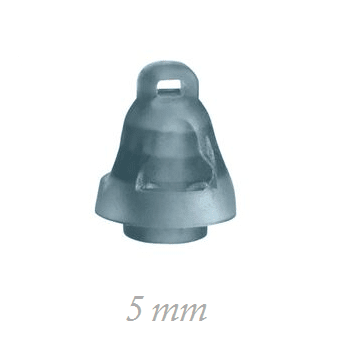
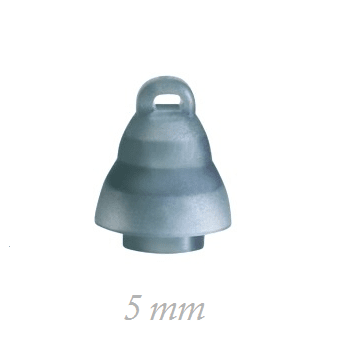
If your 3 Series BTE is fitted with thin tubing, you likely use domes (open, closed, or power). Dome choice affects comfort, loudness, bass response, and feedback control.
Open domes: more natural ventilation, often for mild to moderate losses.
Closed domes: more bass and less leakage.
Power domes: maximum seal, often for higher amplification needs.
What to check: dome diameter (mm) and the attachment style to your tube/receiver tip.
Wax protection & cleaning (important even for BTE)
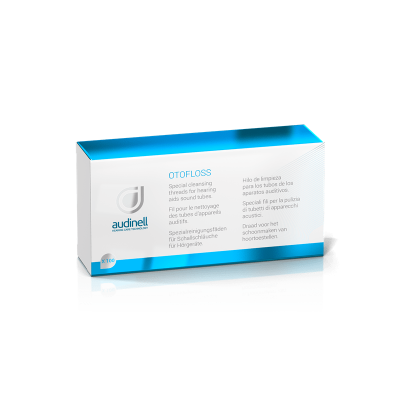
Even with BTE devices, wax and moisture can block the sound outlet in the dome/tip, the tube, or the earmould sound bore. Regular cleaning reduces dropouts and distortion.
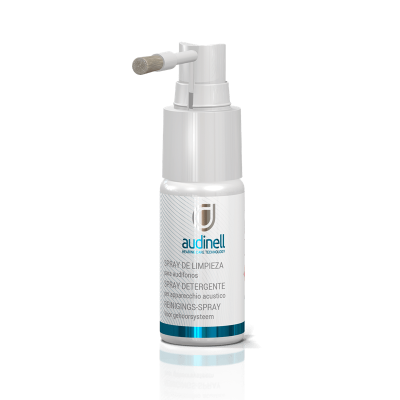
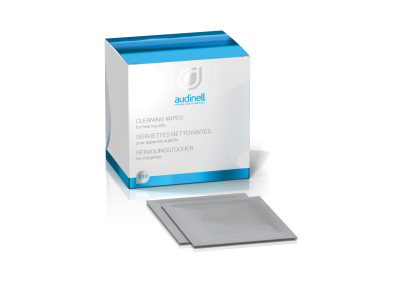
Cleaning brushes and loop tools for earmould openings
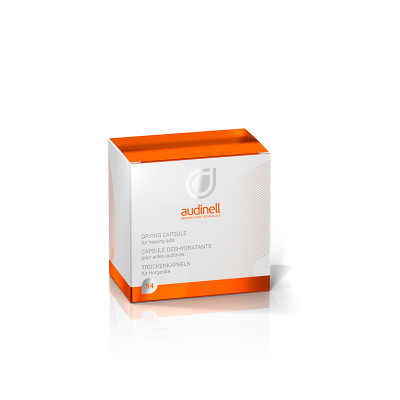
Drying solutions for moisture control
Filter/guard solutions (if your specific tube/tip uses them)
Tip: If sound becomes weak or intermittent, check for blockage in the dome/tube/mould first before assuming the hearing aid is faulty.
Batteries (if your model is battery powered)
Many Starkey 3 Series BTE configurations use replaceable zinc-air batteries. The correct size depends on the exact model and battery door.
What to check: the battery size number printed on your current pack or noted by your hearing care professional.
How to choose the right Starkey 3 Series BTE accessories
Use these steps to avoid ordering the wrong item:
Identify your fitting style: dome + thin tube or earmould + earhook.
Match what you already use: compare photos, markings (length), and connector shape.
Check size details: dome diameter, tube length, and tubing thickness.
Consider symptom-based upgrades:
Whistling/feedback: you may need a better seal (closed/power dome) or new tubing.
Sudden weak sound: likely blockage or hardened tubing.
Discomfort: try a different dome size/type or check tube length.
Common problems with Starkey 3 Series BTE fittings (and quick fixes)
Whistling (feedback)
Replace old tubing (hard tubing often causes leakage).
Check that the dome is fully seated and not torn.
If you use an earmould, ensure the mould and tubing fit tightly.
Sound is weak or muffled
Check for wax/moisture in the dome, tube, or earmould sound bore.
Swap to a fresh dome or clean the earmould thoroughly.
If battery powered, test with a new battery.
Dome keeps falling off / tube keeps slipping
Confirm you are using the correct dome attachment style for your tube.
Replace worn domes or tubing.
Consider a slightly larger dome size if fit is too loose.
Buying Starkey 3 Series BTE accessories at Japebo
When you buy accessories for Starkey 3 Series BTE, the goal is simple: match your current fitting and replace wear parts before they affect sound quality. If you are unsure which tubing, dome, or earhook you need, compare your current part to the product photos/specifications, and prioritize exact connector and size matches.
If you can share the text printed on your tube (often length markings) or a clear photo of the hearing aid connection and the ear-end (dome or earmould), it becomes much easier to confirm compatibility.
FAQ – Starkey 3 Series BTE accessories
Are all Starkey BTE accessories compatible with Starkey 3 Series BTE?
No. “Starkey BTE” is a broad category, and accessories can differ by tube system, connector type, and fitting style. Always match your 3 Series BTE setup and the specific part design.
How often should I replace tubing and domes?
As a rule, replace domes regularly for hygiene and consistent fit, and replace tubing when it becomes stiff, discolored, or starts causing feedback. Frequency depends on wear, skin oils, and cleaning routine.
My hearing aid works, but sound is weaker than before—what should I check first?
Check the dome/tube or earmould opening for wax or moisture blockage and inspect the tubing for hardening or cracks. These are the most common causes on BTE fittings.
How do I know if I have thin tube or earmould tubing?
Thin tube fittings usually end in a small dome in the ear. Earmould fittings have a custom mould, typically with thicker tubing connected to an earhook on the hearing aid.
Can I change from open domes to closed or power domes?
Sometimes, yes—if the dome system and size are compatible with your tube, and if your fitting goals allow it. A tighter dome can improve bass and reduce feedback but may feel more occluding. If in doubt, ask your hearing care professional.