Starkey Z Series BTE

NELL1 SNI030-59

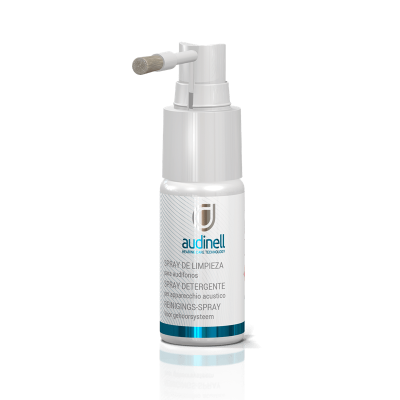
Cleaning Spray 30 ml

6.90 £

NELL1 SVI30-59

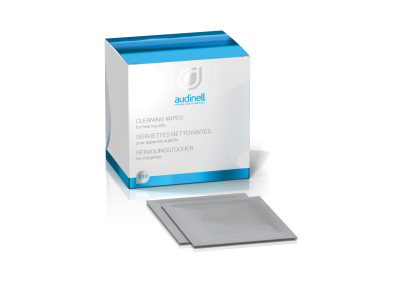
Cleaning Wipes

7.90 £

NELL1 4PA-59

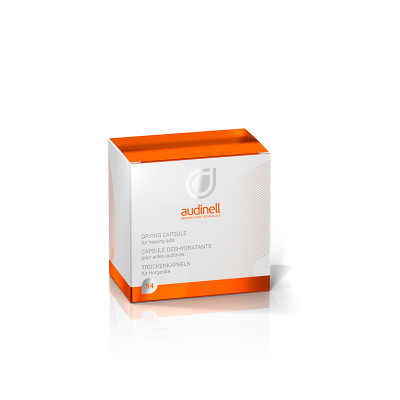
Drying capsules

5.90 £

NELL1 ODN-59

Odinell Ear Spray

11.90 £

NELL1 FLS-59

Otofloss

14.90 £

Starkey Z Series BTE Accessories & Compatibility Guide | Japebo

If you’re looking for Starkey Z Series BTE accessories, the most important step is making sure the part matches your exact Z Series behind-the-ear (BTE) setup. Small differences in tubing size, earmold style, and the type of sound outlet can determine whether an accessory fits properly and performs as intended. This guide explains what typically fits Starkey Z Series BTE models, how to identify what you need, and how to avoid common ordering mistakes.

What “Z Series BTE” means for accessories
Starkey Z Series BTE refers to hearing aids where the electronics sit behind the ear, and sound is delivered into the ear through either:

A custom earmold (usually connected via sound tube and earhook), or
A slim-tube / thin-tube option with a small ear tip (on certain BTE configurations).

Because accessories depend on which of these you use, the correct choice is usually based on the physical connection (tube, hook, mold/earpiece), not only the hearing aid family name.

Which accessory types are most common for Starkey Z Series BTE
Depending on your fitting, the accessories you may need most often include:

Tubes (standard tubing for earmolds or slim tubes, if applicable)
Earhooks (the plastic hook on the hearing aid that connects to tubing on earmold fittings)
Earmold-related parts (replacement tubing sections or connectors, depending on mold type)
Cleaning & care items (recommended for moisture and earwax management)
Batteries (if your specific Z Series BTE model uses replaceable batteries)

Some Z Series devices may use additional components depending on configuration, but for many BTE users, tubing/earhook compatibility is the #1 purchase decision.

How to choose the correct Starkey Z Series BTE accessory
Use these checkpoints to confirm you’re ordering the right part:
1) Identify whether you use an earmold + standard tube or a slim tube
Earmold setups typically have a thicker, more rigid clear tube attached to a custom mold. Slim-tube setups are thinner and often end with a small ear tip rather than a full custom mold. The tube type determines what replacements will fit.

2) Check the connection point on the hearing aid (earhook vs. direct slim-tube connection)
If your hearing aid has an earhook, tubing usually slides onto the hook. If it uses a slim-tube system, the tube often clicks/screws into a dedicated adapter instead. Order the accessory that matches your current connection type.

3) Match the length/side (for tube-based parts)
For any left/right or length-dependent tubing, match what you already wear. If you’re unsure, compare the old part to product photos/specs and choose the closest match to avoid discomfort or poor microphone performance (due to incorrect routing behind the ear).

4) If you’re replacing because of sound issues, confirm the cause first
If sound is weak or “blocked,” the solution may be cleaning or replacing a clogged tube/earpiece rather than changing the hearing aid itself. Replacing the correct consumable part is often the fastest fix.

Common problems (and what the right accessory fixes)
Whistling / feedback
Often caused by a poor seal in the ear or hardened/incorrect tubing. Replacing worn tubing or ensuring the mold connection is secure can help. If the earmold is loose, a refit may be needed.

Sound is weak, intermittent, or muffled
Commonly due to moisture or earwax buildup in the tube/mold pathway. Cleaning tools and regular tube replacement can restore normal sound.

Tubing turns yellow, stiff, or cracks
This usually means it’s time to replace the tube. Fresh tubing improves comfort, hygiene, and sound delivery.

Physical fit feels wrong behind the ear
Incorrect tube length or a mismatched hook/tube style can change how the device sits. Matching the exact style and length to your previous setup is key.

Buying Starkey Z Series BTE accessories online (what to check before ordering)
To buy with confidence, confirm:

Your fitting type (earmold + standard tube vs. slim tube)
Any markings printed on tubes/parts (codes, sizes, left/right indicators)
Photos of your current part (compare shape and connector style)
Your hearing care professional’s notes if you have them (tube size, mold type)

If you can’t identify your part, it’s often easiest to match by connector style and dimensions, or to use your old component as a reference.

FAQ: Starkey Z Series BTE accessories
Are all Starkey Z Series BTE accessories the same?
No. Even within the Z Series family, accessory compatibility depends heavily on the physical fitting (earhook + standard tube vs. slim tube) and the specific connector style.

How often should I replace tubing on a Starkey BTE earmold?
Many users replace tubing when it becomes stiff, discolored, or causes fit/sound problems. If you notice feedback, discomfort, or reduced sound quality, tubing replacement is a good first step.

What if I order the wrong tube or connector?
The most common issue is a mismatch at the connector (doesn’t fit the earhook/adaptor) or incorrect length/side. Checking your current part and comparing the connector shape before ordering reduces the risk.

Do Starkey Z Series BTE models use wax filters?
Some BTE configurations rely more on keeping the earmold and tubing pathway clear rather than using a replaceable wax filter at the sound outlet. What you need depends on your specific earpiece and coupling.

Can I use “universal” accessories with Starkey Z Series BTE?
Cleaning and care items are often universal, but fit parts like tubes, hooks, and certain connectors must match your exact setup to work correctly and comfortably.