



Starkey Livio BTE accessories | Domes, wax filters & receivers compatibility guide
If you wear a Starkey Livio BTE hearing aid and need new accessories, this guide helps you choose compatible parts with confidence. Starkey hearing aids can look similar across models, but accessories like domes, wax protection, receivers, and tubes/earhooks must match your exact Livio BTE configuration (standard BTE vs RIC, tubing style, and speaker strength). Use the steps below to make sure you buy the right fit the first time.
What “Livio BTE” means for accessory compatibility
BTE means “behind-the-ear.” Within Starkey Livio, BTE models typically fall into two common setups:
Traditional BTE with thin tube: sound travels through a tube to a dome in the ear canal.
RIC/RITE (receiver-in-canal): the speaker (receiver) sits in the ear canal and connects via a thin wire to the hearing aid.
Your accessory needs depend on which setup you have. If you’re unsure, check what goes into your ear: a tube suggests a traditional BTE; a thin wire with a small speaker suggests RIC.
Accessories most often replaced on Starkey Livio BTE
Domes (ear tips)
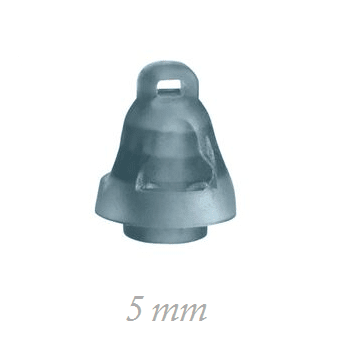
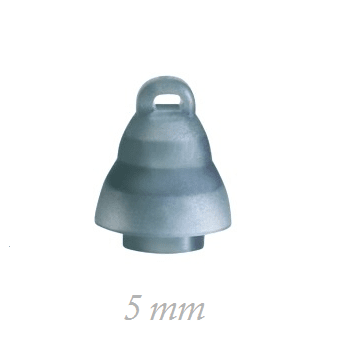
Domes affect comfort, retention, and sound (especially bass). They also influence feedback (whistling). Common dome styles include:
Open domes: more natural sound/venting; often used for milder losses.
Closed domes: more low-frequency support; can reduce feedback.
Power domes: maximum seal for stronger amplification needs.
Compatibility depends on what they attach to (thin tube tip vs receiver). If your Livio is RIC, the dome must fit your Starkey receiver type; if it’s a thin-tube BTE, the dome must fit the tube’s end piece.
Wax protection (wax guards/filters)
Wax protection is critical if your speaker sits in the ear canal (RIC), since earwax can block the receiver outlet and reduce sound. Traditional thin-tube BTE setups may use different protection at the tube/sound outlet, depending on the ear tip and tube style.
If you notice muffled sound, intermittent audio, or sudden volume drop, wax protection is a top thing to check or replace.
Receivers (speakers) and receiver wires (RIC only)
Only relevant if your Starkey Livio BTE is actually a Livio RIC variant. Receivers must match:
Receiver family/connection (Starkey-specific)
Power level (e.g., standard vs power)
Wire length (fit to your ear)
Using the wrong receiver can cause poor fit, weak sound, or incompatibility.
Tubes and earhooks (traditional BTE only)
If your Livio is a traditional BTE with tubing, you may need replacement thin tubes and/or an earhook. Tubes can stiffen over time, causing discomfort, sound leakage, or retention issues.
How to choose the correct Starkey Livio BTE accessory (quick checklist)
Identify your setup: thin tube BTE or RIC (receiver in ear).
Look for markings: many receivers have small text for power level and length; some tubes have size indicators.
Match the attachment point: dome-to-tube vs dome-to-receiver is the most common mismatch.
Keep the same size unless you have a reason to change: if your current dome is comfortable and works well, stick with the same style/size.
When in doubt, compare visually: the safest method is to match your existing accessory to the product images and specifications.
Common problems (and the accessory that usually fixes it)
Whistling/feedback: try a better seal (closed/power dome), check dome fit, inspect for tears, and ensure correct insertion.
Muffled or weak sound: replace wax protection; check for blocked receiver outlet or tube blockage.
Dome keeps slipping off: wrong dome type/size for your receiver/tube, or worn dome—replace with correct fit.
It feels uncomfortable: switch to a different dome size/style or replace stiffened tubing.
Sound cuts out when moving: possible receiver wire fatigue (RIC) or moisture/earwax issues—inspect and replace as needed.
Buying Starkey Livio BTE accessories online (what to verify)
Before you add to cart, confirm these details:
Model/family: Starkey Livio (and whether it is BTE thin-tube or RIC).
Accessory type: dome, wax filter, receiver, tube, or earhook.
Size/power: dome size; receiver power level and length; tube length/side if applicable.
If you can’t confirm the setup, start with what you can safely match: your current dome model and size (or the wax protection type) usually provides the clearest clue.
FAQ: Starkey Livio BTE accessories
Are Starkey Livio BTE and Livio RIC accessories the same?
Not always. Domes and wax protection often differ depending on whether the sound path is through a thin tube (traditional BTE) or a receiver in the ear (RIC). Receivers are only used on RIC models.
How do I know which dome size I need?
The best starting point is your current dome size and style. If you’re changing because of feedback or comfort, adjust one step at a time (style or size) to avoid over-sealing or discomfort.
Do I need wax filters on a Starkey Livio BTE?
If your model uses a receiver in the ear canal (RIC), wax protection is typically essential. If you have a thin-tube BTE, wax management may be handled differently depending on your tube and ear tip.
When should I replace domes or tubes?
Replace domes when they become loose, discolored, torn, or uncomfortable. Replace tubes when they stiffen, discolor, crack, or if sound seems reduced due to blockage.
Can I use accessories from another Starkey family on Livio BTE?
Only if the accessory is explicitly listed as compatible with Livio and your specific setup. Similar-looking Starkey parts can still differ in connection type or size.
Tip: If you share a photo of your current dome/tube/receiver and the part that sits in your ear, it’s often possible to confirm the correct accessory type quickly.