
Starkey Halo BTE Hearing Aid Accessories & Compatibility Guide
If you’re looking for Starkey Halo BTE accessories, the most important step is confirming compatibility. “Halo” is used across multiple Starkey devices and generations, and BTE (behind-the-ear) models can use different fittings and consumables depending on the exact version and how your hearing care professional configured your device. This guide helps you identify the right Starkey Halo BTE accessories, understand what typically needs replacing, and choose the correct part with confidence.
What counts as a Starkey Halo BTE accessory?
Accessories for Starkey Halo BTE hearing aids usually fall into two groups:
Everyday wear parts that are replaced regularly (for hygiene, comfort, or performance).
Connectivity and support items that help you use the hearing aid with phones/TVs or keep it powered and protected.
Which specific items you need depends on whether your Halo BTE is fitted with a custom earmold (tube + mold) or a thin-tube / receiver-in-ear style coupling (depending on model and fitting).
Starkey Halo BTE compatibility: what you must check first
Before you buy any Starkey Halo BTE spare part, confirm these identifiers. They determine which accessory type fits:
Exact model name shown in your paperwork or fitting app (Halo BTE variants can differ).
Your ear-coupling style: standard tube + earmold vs thin tube vs any snap-on/locking system.
Tube and hook style (if you use an earmold): different hooks/tubes are not universally interchangeable.
Battery type (if you have a non-rechargeable model): check the battery size used by your device.
If you’re unsure, the fastest way to avoid a wrong purchase is to compare your current part to the product photos/specs (or check your audiologist’s fitting notes). Buying the same type you already use is typically the safest choice.
Common Starkey Halo BTE accessory types (and what they do)
Tubes & earhooks (for earmold fittings)
If your Starkey Halo BTE uses a custom earmold, you’ll usually have a tube that carries sound from the hearing aid to the mold, and an earhook (the curved piece connecting the aid to the tube). Tubing can harden or discolor over time, and hooks can wear or crack.
Choose based on: the hook connection style and the tube diameter/length used in your current setup.
Earmold care & cleaning tools
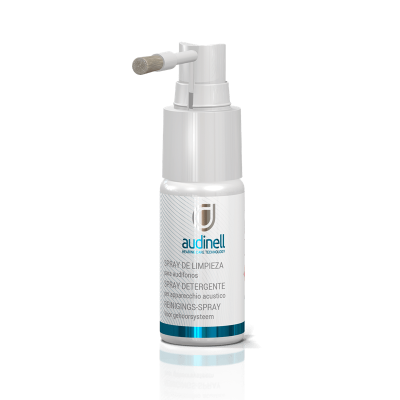
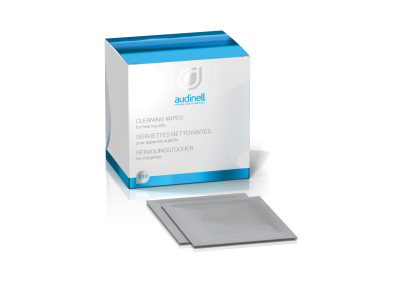
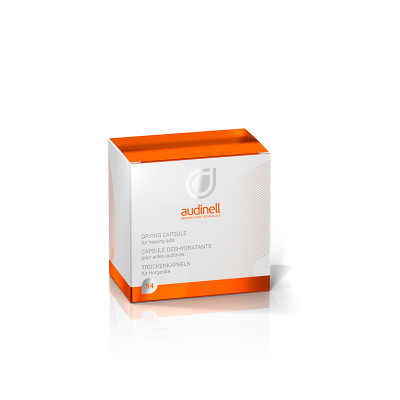
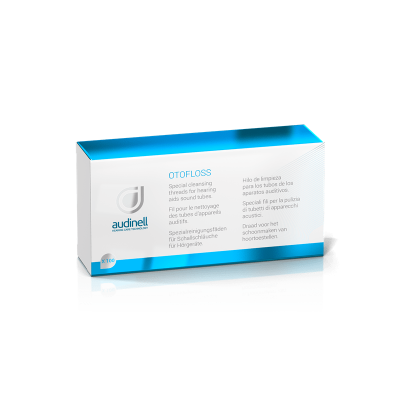
Even if you don’t replace your earmold often, keeping it clean helps prevent occlusion and feedback. Cleaning tools and drying solutions can help reduce moisture issues that affect sound quality.
Batteries (if your Halo BTE uses disposable batteries)
Many Halo-era BTE fittings use disposable zinc-air batteries. The correct size depends on the exact device. If you’re currently using a specific battery size, continue with that size.
Retention and comfort parts (when applicable)
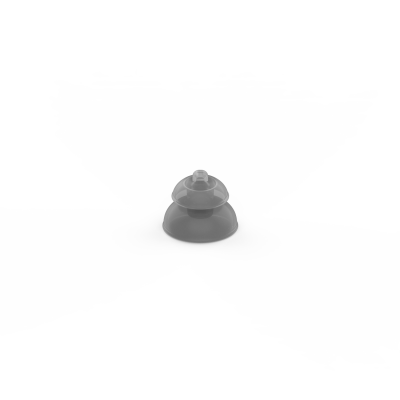
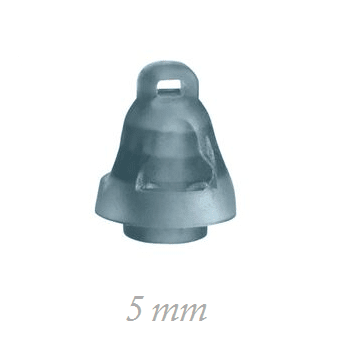
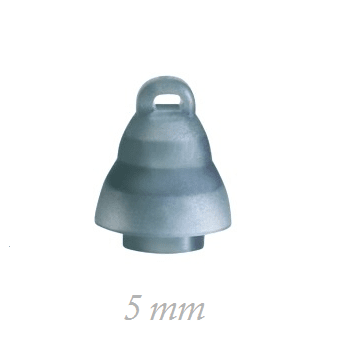
Some fittings include retention solutions to keep the coupling stable during movement. If your hearing aid feels loose or shifts frequently, the issue may be the retention part (or tubing length) rather than the hearing aid itself.
How to choose the right Starkey Halo BTE accessory
Use this simple process to narrow down the correct option:
Identify your coupling: do you have a custom earmold with tubing, or a slimmer tube-style setup?
Match what you already wear: compare the connection/shape of your current tube/hook to the replacement option.
Check typical wear symptoms: hardened tubing, cracks, discoloration, or a loose fit usually means it’s time to replace the tube/hook or comfort parts.
When in doubt, confirm model details: the exact Halo BTE version can matter for certain connection systems.
If you want to reduce risk further, choose accessories that explicitly state Starkey Halo BTE compatibility in the product information.
Common problems (and the accessory that usually fixes them)
Whistling / feedback: often caused by a poor seal, hardened tubing, or a shifted earmold. Replacing tubing or improving fit frequently resolves it.
Sound is weaker or muffled: check for moisture, blocked sound pathways, or worn tubes. Cleaning and replacing wear parts can restore clarity.
Hearing aid feels uncomfortable: the tube length, hook angle, or earmold condition may need adjustment or replacement.
Intermittent sound: moisture and worn connections are common causes; drying and replacing aging parts can help.
Buy Starkey Halo BTE accessories online
Once you’ve confirmed your exact Starkey Halo BTE setup, you can confidently select the correct accessories and keep your hearing aids performing as intended. For best results, stick to parts that match your current fitting style and replace wear items proactively to avoid sudden performance drops.
FAQ: Starkey Halo BTE accessories
How do I know if an accessory fits my Starkey Halo BTE?
Confirm your exact Halo BTE model and match the accessory to your current coupling style (tube + earmold vs a slimmer tube-style setup). When possible, compare connection shapes and measurements to your existing parts.
How often should I replace tubing on a Starkey Halo BTE?
Replace tubing when it becomes hard, yellow/brown, cracked, or no longer fits snugly. Many users replace tubing periodically as part of routine maintenance, but the interval varies with skin oils, humidity, and wear.
My Starkey Halo BTE is whistling—do I need a new hearing aid?
Not usually. Feedback is frequently caused by fit or worn wear-parts (like tubing). Check for cracks, looseness, or changes in how the earmold sits, and replace the relevant accessory first.
Are “Starkey Halo” accessories always the same across all Halo devices?
No. “Halo” can refer to different devices and configurations. Always verify the exact model and your fitting components to ensure compatibility.