
Products

Behind The Ear (BTE) Hearing Aid Accessories & Compatibility Guide | Japebo
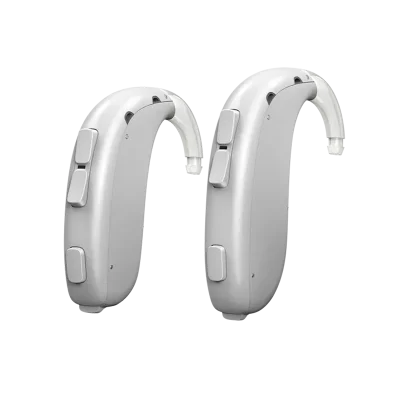
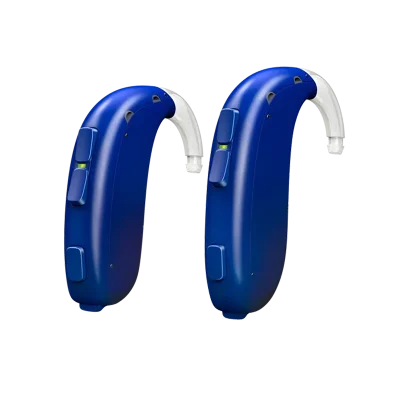
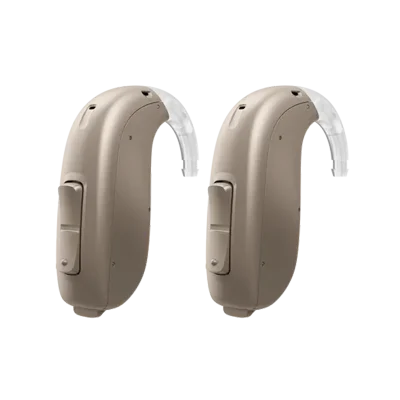
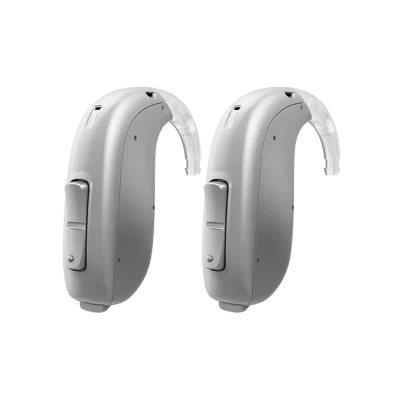
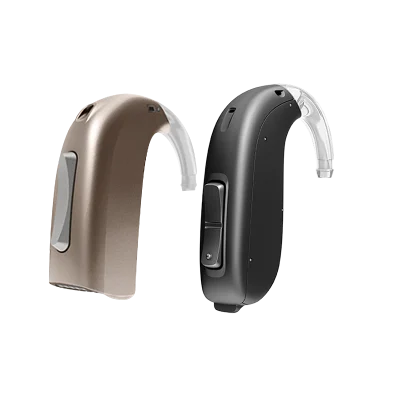
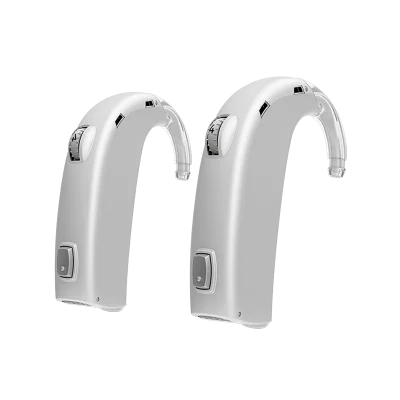
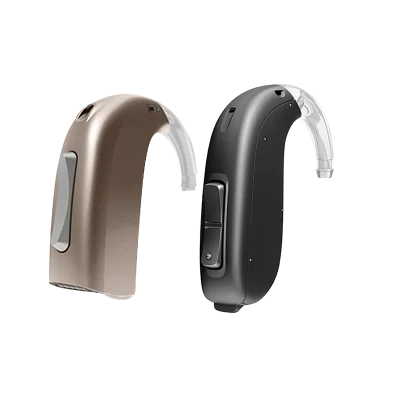
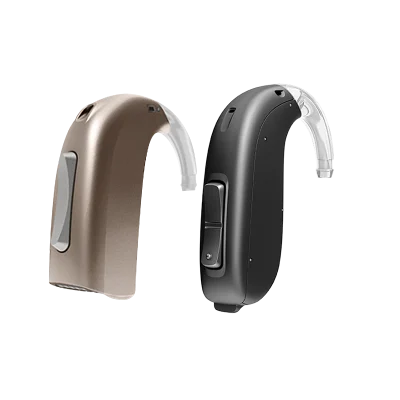
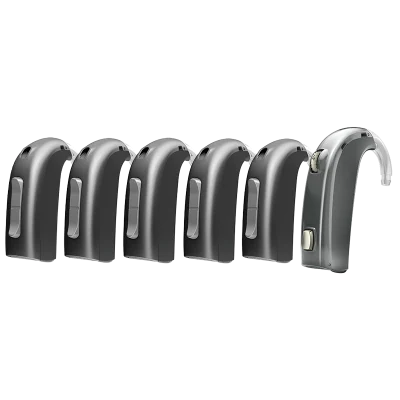
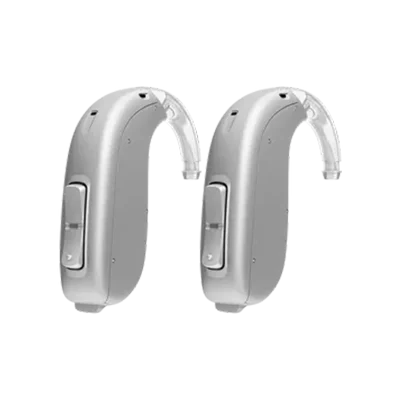
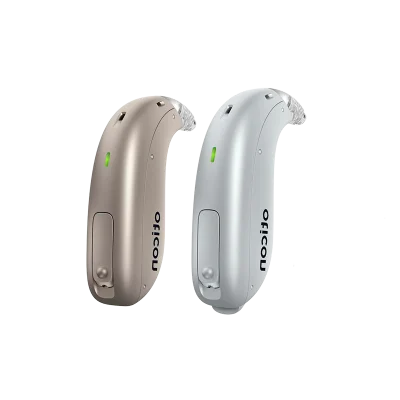
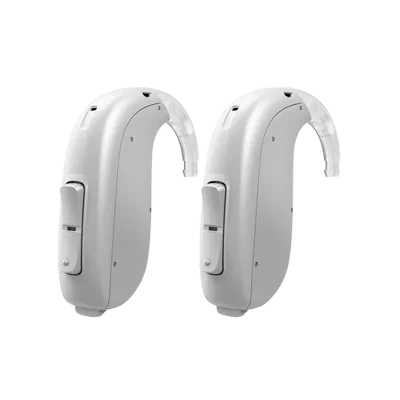
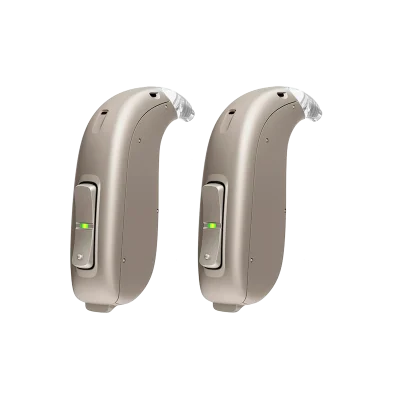
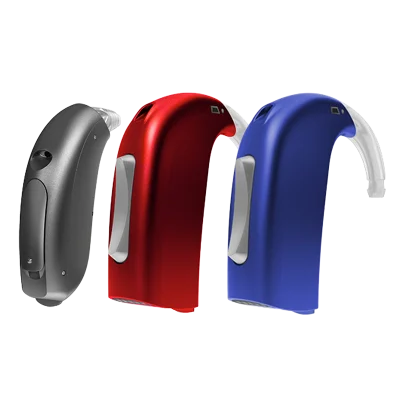
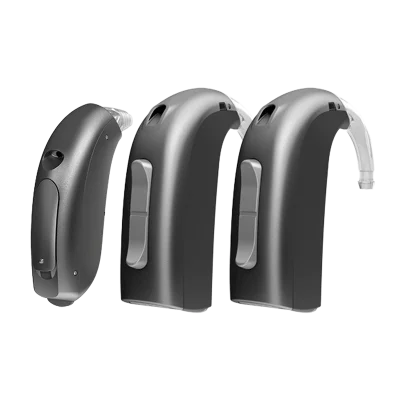
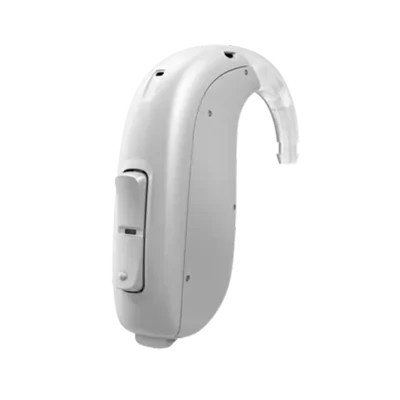
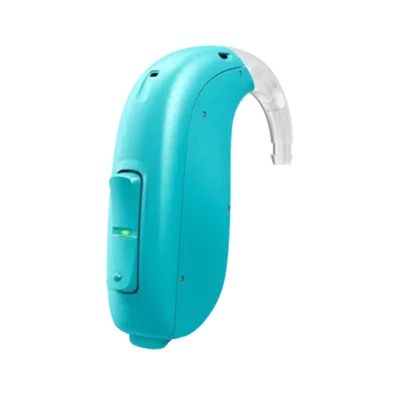
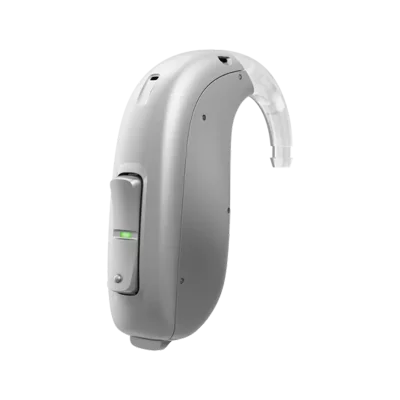
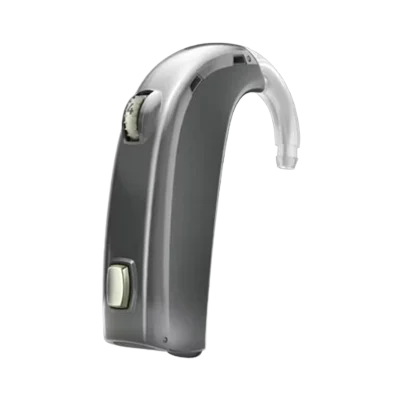
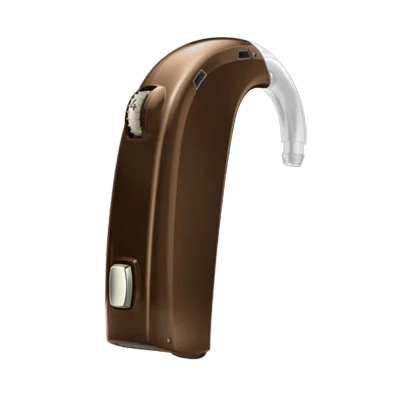
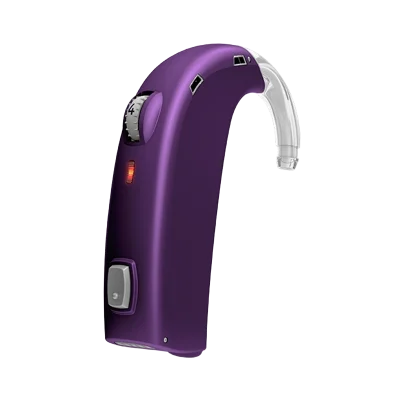
Looking for Behind The Ear (BTE) hearing aid accessories and want to be sure they fit? You’re on the right page. BTE hearing aids sit behind the ear and connect to the ear via a tube and earmould (classic BTE) or via a thin tube/receiver and a dome (mini-BTE / RIC-style solutions). Because there are several BTE variants, the key to buying the right accessory is understanding which sound delivery system your BTE uses and matching parts to your exact model.
This guide explains what “BTE” covers, which accessories are typically used, how to confirm compatibility, and what to do if something doesn’t fit or doesn’t feel right.
What “Behind The Ear (BTE)” means (and why it matters for accessories)
“BTE” describes the style of the hearing aid, not one single standardized connector. Most BTE solutions fall into two practical categories, and accessories differ between them:
Classic BTE with earmould + tubing: Sound travels through a tube into a custom earmould. Common accessories are tubes, hooks/elbows (tone hooks), and tubing-related parts.
Mini-BTE / slim-tube or receiver-based setups: Uses a thin tube with a tip/dome, or a receiver with a dome. Common accessories are domes, slim-tubes, receivers, retention locks, and wax protection.
If you’re unsure which you have, look at what goes into your ear: a custom earmould usually equals classic tubing; a soft dome usually equals slim-tube or receiver-based.
Common BTE accessories (and what they do)
Depending on your BTE configuration, you may be looking for one of these accessory types:
Tubes, hooks and earmould-related parts (classic BTE)
These parts carry sound from the device to the ear and affect comfort and sound quality. Tubing can harden or discolor over time, and a worn hook/tube can contribute to whistling or reduced clarity.
Domes, slim-tubes and receivers (mini-BTE / RIC-style)
Domes create the seal in the ear canal and strongly influence comfort, feedback control and perceived bass. Receivers and slim-tubes are model-specific connections, so checking compatibility is essential before you buy.
Wax protection and cleaning accessories
Earwax is a common cause of sound drop-outs and intermittent performance. Many mini-BTE/RIC setups use dedicated wax guards/filters at the receiver end; classic BTEs may rely more on cleaning tools for the earmould and tubing.
Retention and comfort parts
Retention locks, sports locks and similar parts can help keep the dome/receiver stable, especially if the aid works loose during talking, chewing or exercise.
How to confirm compatibility for BTE accessories
Because “BTE” alone isn’t enough to guarantee fit, use these checks before ordering:
Identify the exact hearing aid model (from the paperwork, app, or the label on the device).
Check the ear-side connection (earmould + tube vs dome vs receiver).
Match the connector type (tubing diameter/hook type for classic BTE; receiver/speaker type for receiver-based setups).
Match size parameters where relevant (dome size, slim-tube length, receiver length/power level).
If you can, compare your current part visually with the product photos/specs. Small differences in connector shape or locking mechanism often mean it won’t fit.
How to choose the right BTE dome or ear tip (if your BTE uses domes)
If your BTE solution uses domes, these factors typically decide what to buy:
Fit/size: A dome that’s too small may whistle or feel insecure; too large may feel sore or blocked.
Vent/opening: More open domes feel airy and reduce occlusion; more closed domes can improve bass and stability.
Comfort and retention: If the dome shifts, consider a different size/type or adding a retention piece (if compatible).
Common BTE issues and the accessory that often fixes them
Whistling (feedback)
Often linked to poor seal (wrong dome size/type), cracked/worn tubing, or an earmould that no longer fits well. Checking dome fit or replacing tubing is a common first step.
Sound is weak, muffled or cuts out
Frequently caused by wax blockage (wax filter/guard) or debris in the tube/earmould. Replace the wax protection if your system uses it and clean the ear-side parts.
Discomfort or “blocked” feeling
Try a different dome style (more open) or a size adjustment. For earmould users, fit changes can happen over time and may require refitting rather than just accessories.
Buy BTE accessories at Japebo
Japebo makes it easier to choose the right Behind The Ear (BTE) accessories by focusing on compatibility and clear product identification. If you’re not sure what you need, start by confirming your model and whether you use tubing + earmould or domes/receiver-based parts—then choose the matching accessory type for your setup.
FAQ: Behind The Ear (BTE) accessories
Is “BTE” the same as “RIC”?
Not exactly. RIC (receiver-in-canal) places the receiver in the ear canal and the body behind the ear—many people call this “BTE” in everyday language. Accessories for RIC-style systems (receivers, wax guards, domes) differ from classic BTE tubing systems.
How do I find my BTE model name?
Check your hearing aid paperwork, the manufacturer app, or the label/marking on the device (often inside the battery door on older models, or in the settings section of the app).
How often should I replace domes or tubing?
It depends on wear, earwax and use, but many users replace domes regularly for hygiene and consistent fit, and replace tubing when it hardens, discolors, or starts causing feedback.
What if an accessory doesn’t fit my BTE?
Stop using it and re-check model compatibility and connector type. If your current part has markings (size/length/type), match those details to the replacement.