
Oticon Ruby BTE series accessories & compatibility guide | Japebo
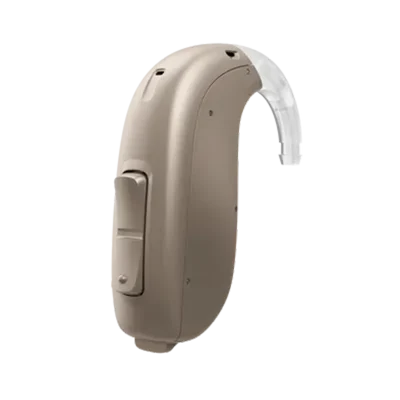
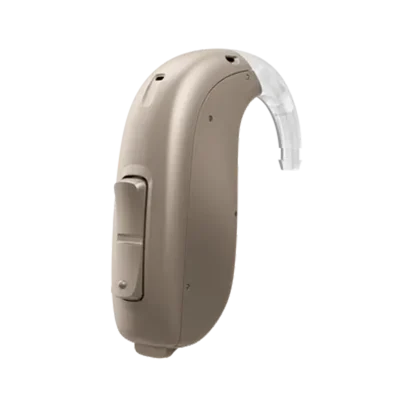
If you’re looking for Oticon Ruby BTE series accessories, the most important step is confirming compatibility. “BTE” (Behind-The-Ear) Ruby models can use different fittings and consumables depending on the exact version and the set-up your hearing care professional chose (for example: thin tube vs earmould, and which speaker/coupling system is fitted). This guide helps you identify what you have, understand what typically needs replacing, and choose the right accessory for your Oticon Ruby BTE hearing aids.
What “Oticon Ruby BTE series” means (and why it matters for accessories)
Oticon Ruby is a hearing aid family that includes behind-the-ear styles. In practice, accessories and spare parts are not chosen by the “Ruby” name alone—they’re chosen by the physical connection to your ear and sound outlet, such as:
Tube system (thin tube to a dome, or tube to an earmould)
Earmould/hook set-up (standard earhook and tubing, often used with custom moulds)
Dome style and size (open/vented/power options vary by fitting)
Wax protection at the ear end (depends on whether you use domes or a mould system)
If you’re unsure which Ruby BTE configuration you have, you can usually find clues on the device, your fitting notes, or by checking how the sound travels from the hearing aid to your ear (thin tube + dome vs thicker tube + mould).
Common accessories and replacement parts for Oticon Ruby BTE
Most Oticon Ruby BTE users will replace a few key items regularly. The right choice depends on your specific fitting, but these are the areas to check first:
Domes (if you use a thin tube + ear-piece)
Domes are the small silicone tips that sit in the ear canal. If your Ruby BTE is fitted with a dome-based system, you’ll typically choose between more open or more closed styles depending on comfort, feedback (whistling), and needed amplification.
Replace when: the dome is discoloured, stiff, loose, uncomfortable, or you get more feedback than usual.
Wax protection (ear end)
Wax build-up is one of the most common reasons for reduced sound or intermittent sound. Depending on your Ruby BTE set-up, wax protection may be handled by the ear-piece (dome system) or by the earmould/tubing.
Replace/clean when: sound becomes weak, muffled, or cuts in and out—especially if the battery is new.
Tubes (thin tubes or earmould tubing)
If your Ruby BTE uses tubing, it can harden, shrink slightly, or become blocked over time. Tube compatibility depends on the exact tube type and the hook/mould set-up.
Replace when: the tube turns yellow/rigid, doesn’t sit comfortably, or you notice sound loss from blockage/condensation.
Batteries (if your Ruby BTE uses disposable batteries)
Many BTE models use disposable zinc-air batteries (size depends on your specific model). If you’re not sure which size you use, check the battery door, your packaging, or your clinic’s documentation.
Tip: If batteries drain unusually fast, it can also be a sign of moisture, clogging, or a failing battery batch.
How to choose the right accessory for your Oticon Ruby BTE
Use these simple checks to reduce the risk of ordering the wrong part:
Identify your ear connection: Do you have a thin tube that ends in a dome, or a thicker tube connected to a custom earmould?
Match what you already use: If the current dome/tube works well, replacing like-for-like is usually safest.
Check for size markings and shape: Domes and tubes often have identifiable shapes and sizes—compare carefully before ordering.
Consider your symptom: Feedback (whistling) often improves with a better seal (more closed dome or better-fitting mould), while “blocked” feeling can improve with a more open option—only change style if you understand the trade-off.
If you want to change dome type (for example, open to power), it’s best to confirm with your hearing care professional because it can affect acoustic