
Oticon Ruby BTE accessories & compatibility guide | Japebo
Looking for Oticon Ruby BTE accessories and want to be sure you’re buying parts that actually fit? This guide explains how accessories for the Oticon Ruby BTE hearing aid are selected, what to check for compatibility, and how to choose the right option for comfort and sound. Use it as a quick way to confirm you’re on the right page before ordering replacements.
What “BTE” means for Oticon Ruby accessories
BTE (Behind-The-Ear) models like Oticon Ruby BTE wear behind the ear and deliver sound into the ear via either:
A tube + earhook (traditional BTE with an earmould), or
A thin tube (miniFit tube) with a small dome (open/vented/power), depending on the fitting.
That distinction matters because the accessories you need (tubes, domes, hooks, filters) depend on your exact acoustic setup—not just the hearing aid name.
How to confirm compatibility for Oticon Ruby BTE
To choose the correct Oticon Ruby BTE accessories, check these three things:
Your coupling: thin tube + dome, or tube + earmould.
Your ear-side part: the tube type/size (left/right and length if applicable).
Your maintenance parts: cleaning tools, filters/guards (if used), and the correct battery size (if your Ruby is battery-powered).
If you’re unsure, a helpful shortcut is to look at the packaging of your current parts (tube/domes) and match the product name and size code exactly.
Common Oticon Ruby BTE accessory types (and what they do)
Tubes (standard or thin tubes)
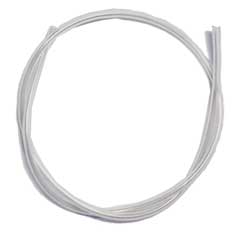
Tubes carry sound from the hearing aid to the ear. With Oticon Ruby BTE, you may have a thin tube (often used with domes) or a standard tube connected to an earmould. Replace tubing when it becomes stiff, discoloured, cracked, or if sound becomes weaker/“blocked”.
Domes (if you use a thin-tube setup)
Domes sit in the ear canal and affect both comfort and sound. Typical dome styles include:
Open domes: more natural sound and ventilation; often used for milder losses.
Vented/“bass” domes: more low-frequency support with some ventilation.
Power domes: more seal and amplification; can reduce whistling when fitted correctly.
Choose dome type and size based on your current fitting and comfort. If you change dome type (e.g., open → power), the sound can change significantly and may require adjustment by a hearing care professional.
Earhooks and mould-related parts (if you use an earmould)
If your Ruby BTE uses an earmould, you may need a compatible earhook and standard tubing. These parts influence retention and feedback control. Replace an earhook if it’s loose, cracked, or no longer seals well.
Cleaning and care accessories
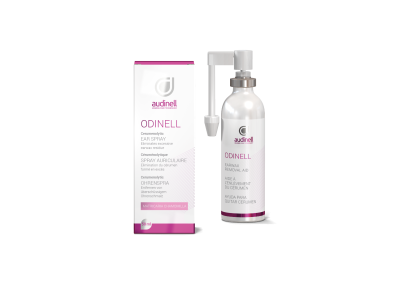
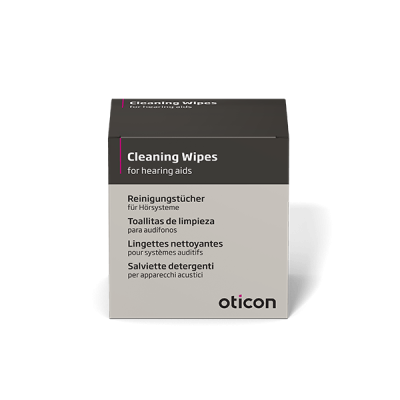
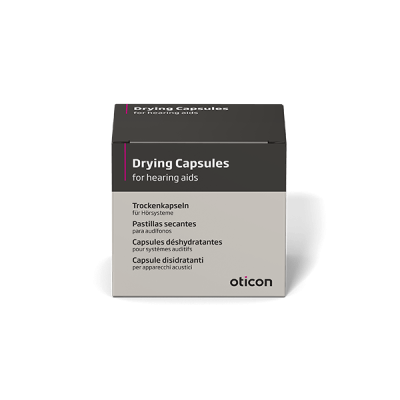
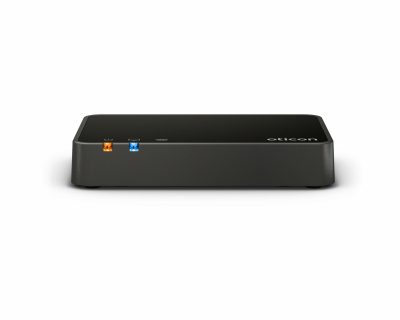
Regular cleaning helps prevent blocked sound paths and moisture-related issues. Common care items include cleaning brushes, wax removal tools for moulds, and drying solutions. Keeping the microphone openings and the sound outlet clean is often the fastest fix for “sounds weak” problems.
Batteries (if your Oticon Ruby BTE uses disposable batteries)
If your Ruby BTE is a battery model, using the correct battery size is essential for stable performance. Use the exact size specified for your device and store batteries in a dry place. If you’re frequently running out of power unusually fast, it can also indicate moisture buildup or a blocked sound path.
How to choose the right Oticon Ruby BTE parts
Use this quick checklist to reduce mistakes when ordering:
Match what you already use: same tube type, same dome style, same size.
Check left/right markings (if your tube system is side-specific).
Replace in pairs when relevant: if both sides wear out similarly, changing both tubes/domes can keep sound balanced.
Prioritise fit first: discomfort or a loose seal often causes feedback and unstable sound.
Common problems with Oticon Ruby BTE—and the accessory fix
Whistling (feedback): try a better-fitting dome, check if the tube is split, or ensure the mould seals properly.
Sound is weak/muffled: clean the sound outlet, replace the tube, and check for blockage in the mould/tube.
It keeps falling out: size up the dome, check tube length, or consider a more secure coupling (your hearing care professional can advise).
Irritation in the ear: try a different dome size/material, replace worn domes more often, and keep parts clean and dry.
Buy Oticon Ruby BTE accessories at Japebo
At Japebo you’ll find replacement accessories intended to keep your Oticon Ruby BTE working comfortably and reliably. If you’re unsure which part you need, start by identifying whether you have a thin-tube + dome setup or an earmould + standard tube setup—then match the exact style and size you’re currently using.
FAQ: Oticon Ruby BTE accessories
Are all Oticon Ruby accessories compatible with Oticon Ruby BTE?
Not automatically. Compatibility depends on the connection/coupling (thin tube + dome vs earmould + standard tube) and the exact ear-side components you use.
How often should I replace domes or tubes?
Replace domes when they become yellowed, loose, or uncomfortable, and replace tubes when they harden, crack, or sound becomes weaker. Many users replace domes more frequently than tubing.
Can I change from open domes to power domes on Oticon Ruby BTE?
You can physically change dome types if they fit your tube system, but it may change the sound and feedback behaviour. If the sound changes noticeably, a fitting adjustment is recommended.
What should I do if my Ruby BTE suddenly sounds quieter?
First clean the sound outlet and check for blockages in the tube or mould. If the tube is stiff or discoloured, replacing it is often the quickest fix.