

Oticon Opn BTE Plus Power accessories & compatibility guide | Japebo
If you use Oticon Opn BTE Plus Power hearing aids, choosing the right accessory is essential for comfort, sound quality, and reliable day‑to‑day use. This guide explains which Oticon Opn BTE Plus Power accessories typically fit this model, how to identify what you need, and what to check before you buy—so you can order with confidence.
What is the Oticon Opn BTE Plus Power?
The Oticon Opn BTE Plus Power is a behind-the-ear (BTE) hearing aid designed for higher power needs. Like other BTE models, the device sits behind the ear and delivers sound into the ear via a tube connected to either an earhook + earmould setup or a thin tube setup (depending on your configuration). Accessories for this model therefore most often relate to the sound delivery path (tube/earhook/earmould parts) and daily maintenance (batteries and cleaning items).
Compatibility basics: how to make sure you choose the right part
For Oticon Opn BTE Plus Power, compatibility usually depends on how sound is routed into your ear:
Classic BTE setup (earhook + earmould): You typically replace the earhook and the tubing that connects the earhook to the earmould.
Thin tube setup: Some BTE fittings use a slimmer tube that ends in a dome. If you have a dome in your ear (not a custom mould), you likely need thin tubes and domes in the correct size/type.
If you’re unsure which setup you have, look for these clues:
Earmould: a custom acrylic/silicone piece shaped to your ear (often bigger and more rigid than a dome).
Dome: a soft, small silicone tip that sits on the end of a thin tube.
Accessories you’ll most commonly need for Oticon Opn BTE Plus Power
1) Earhooks (BTE hooks)
If your Opn BTE Plus Power uses an earmould, it commonly uses an earhook to guide sound from the hearing aid into the tube. Earhooks can wear out, loosen, or become discoloured over time. Replace the earhook if you notice:
the tubing no longer sits firmly,
sound seems weaker due to poor coupling,
the hook looks cracked or feels loose.
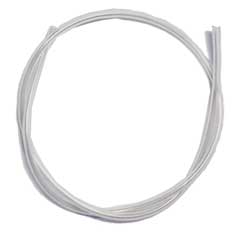
2) Tubing (standard earmould tubing or thin tubes)
Tubes are consumable parts. Over time they can harden, shrink, or become blocked with moisture or debris, which can reduce sound quality. Choose tubing based on your fitting type:
Standard tubing if you use an earmould.
Thin tubes if you use domes (and no custom earmould).
Tip: If your tube has become stiff or yellowed, or if it no longer fits comfortably, it’s usually time to replace it.
3) Domes (only if you have a thin tube fitting)
If your Oticon Opn BTE Plus Power is fitted with a thin tube and domes, you must match:
Dome type (open, closed, power/double), and
Dome size (measured in mm).
Domes affect both comfort and sound. An open dome can feel more ventilated, while a more closed/power dome can improve bass and reduce feedback for some users. If you’re experiencing whistling (feedback) or a “thin” sound, your dome style/fit may be the cause.
4) Wax protection (model-dependent)
BTE devices usually keep the speaker behind the ear, but earwax can still block the sound path—especially in earmould tubing, thin tubes, or any sound outlet components. Some fittings use small wax guards in the sound outlet or in the mould/dome end.
Because wax protection varies by fitting, use your current part as a reference (shape/colour/system name) before ordering, or check your hearing care professional’s documentation.
5) Batteries (and battery handling)
Oticon Opn BTE Plus Power is a battery-powered BTE model. To choose the right battery size, check:
the colour or number printed in your battery door/battery packaging, or
the size you’ve been using successfully.
If battery life has dropped suddenly, also check for moisture in the tubing, blocked outlets, or a poor battery-door connection before assuming the hearing aid is at fault.
How to choose the correct Oticon Opn BTE Plus Power accessory (quick checklist)
Identify your fitting: earmould + earhook + standard tubing, or thin tube + dome.
Match what you already have: compare the shape/connection of your earhook or tube.
Confirm sizes: dome diameter (mm) and tube length (if applicable).
Check left/right where relevant: some thin tubes are side-specific.
When in doubt: choose based on the exact name/part you currently use (or contact support with a photo of your current setup).
Common problems and what the right accessory fixes
Whistling / feedback: often improved by a better seal (different dome type/size) or replacing hardened tubing.
Weak or muffled sound: commonly caused by blocked tubing, moisture, or a worn earhook connection.
Device keeps cutting out: can be battery-related, or due to moisture/blocked sound path.
Discomfort or poor fit: usually solved by changing dome size/type or replacing misshapen tubing.
Buy Oticon Opn BTE Plus Power accessories at Japebo
At Japebo you can find the accessories and consumables most commonly used with Oticon Opn BTE Plus Power fittings—so you can maintain stable performance and comfort over time. If you’re unsure what to choose, use your current accessory as a reference (or reach out with details about your setup) to ensure the best match.
FAQ: Oticon Opn BTE Plus Power accessories
Do Oticon Opn BTE Plus Power hearing aids use domes?
Some fittings do, especially if your device uses a thin tube and you have a soft silicone tip in the ear. If you wear a custom earmould, you typically won’t use domes.
How often should I replace tubing or domes?
It varies with use and ear conditions. Replace them sooner if you notice stiffness, discoloration, discomfort, or reduced sound. Many users replace domes regularly and replace tubing when it hardens or no longer fits well.
Why does my hearing aid sound weaker even with a new battery?
The most common causes are blockage (wax/debris), moisture in the tube, or a worn/loose connection at the earhook or tube. Checking and replacing these consumables often restores sound.
Are accessories for Oticon Opn BTE Plus Power the same as for other Oticon Opn BTE models?
Some accessories can overlap across BTE models, but not always. The safest approach is to match the exact fitting components you currently use (earhook type, tube type/length, and any wax protection system).