
Oticon Dynamo BTE series accessories – compatibility guide | Japebo
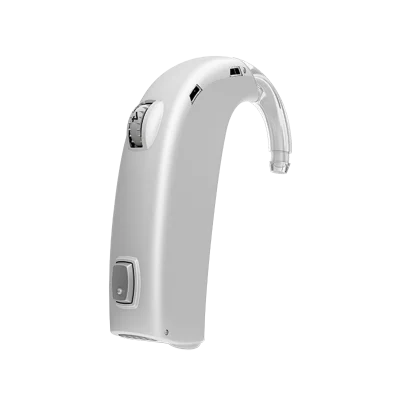
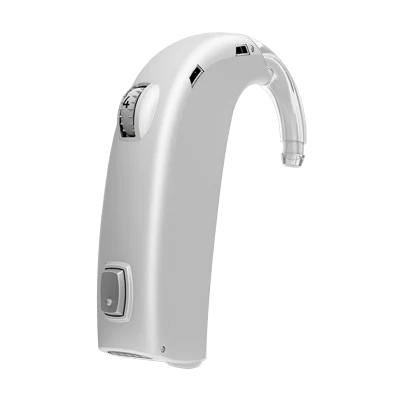
If you’re looking for Oticon Dynamo BTE series accessories, the most important thing is compatibility: Dynamo is a behind-the-ear (BTE) hearing aid family, and the correct accessory depends on how your aid is fitted (earhook + tube + earmould, or other BTE coupling). This guide explains what typically fits the Oticon Dynamo BTE series, how to identify what you need, and how to avoid ordering the wrong part.
What counts as an “accessory” for the Oticon Dynamo BTE series?
For BTE hearing aids like the Oticon Dynamo BTE series, accessories usually means the parts that connect the hearing aid to your ear and keep sound clear and comfortable in daily use. The most common categories are:
Earhooks / tone hooks (the plastic hook the tube attaches to)
Tubing (connects the earhook to an earmould or earpiece)
Earmould-related parts (made to your ear, often replaced less frequently)
Cleaning & care items (to reduce moisture, dirt, and blockages)
Batteries (size depends on your specific Dynamo model)
Because BTE fittings can vary, two Dynamo users may need different accessories even if they both own “Dynamo BTE” hearing aids.
Compatibility: what you need to check before you buy
To choose the correct Oticon Dynamo BTE series accessory, check these three things first:
Your exact Dynamo model name (printed in paperwork, the fitting report, or shown in your app/clinic documentation).
Your coupling type: do you have an earhook + tube leading into an earmould? Most Dynamo BTE fittings do.
Your current part type/size: if possible, compare to what you’re replacing (hook shape, tube thickness, and whether the tube is hardened/yellowed).
If you’re replacing a part that currently fits well, matching the same type is usually the safest route.
Earhooks (tone hooks) for Oticon Dynamo BTE series
The earhook (sometimes called a tone hook) is the small curved piece on top of the hearing aid where the tube attaches. It affects comfort, retention, and sound direction. If your hook is cracked, loose, or discoloured, replacement can improve both stability and sound consistency.
How to choose: earhooks can differ by angle, length, and how they lock onto the housing. For the Oticon Dynamo BTE series, the correct hook is the one designed for your specific Dynamo variant. If you’re unsure, compare the shape and locking mechanism to your current hook and verify against your model name.
Tubing for Oticon Dynamo BTE series: when and what to replace
Tube replacement is one of the most common maintenance needs for BTE users. Tubes harden over time, may turn yellow, and can cause poor fit or sound leakage.
Signs you likely need new tubing:
The tube feels stiff or pulls the hearing aid off your ear
Visible discoloration, kinks, or cracks
More feedback/whistling than usual (especially after cleaning)
Sound becomes weak or “blocked” despite a clean earmould
How to choose: tubing comes in different internal/outer diameters and materials. The right match depends on your earmould and hook. If you have a clinic-fitted earmould, the tubing type is typically standard for that mould style, but still worth matching to what you already have.
Batteries for Oticon Dynamo BTE series
Oticon Dynamo BTE models can use different battery sizes depending on the exact variant and power level. Battery size is typically shown on the battery packaging and often on your hearing aid documentation.
How to choose: check your current battery size number (e.g., 13, 312, 10, 675) and buy the same size. If you don’t have packaging, you can usually confirm by checking the battery door markings or your clinic/fitting information.
Cleaning & care: keep sound clear and reduce repairs
Many “it stopped working” i