
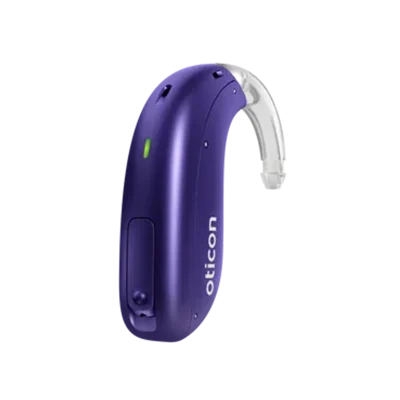
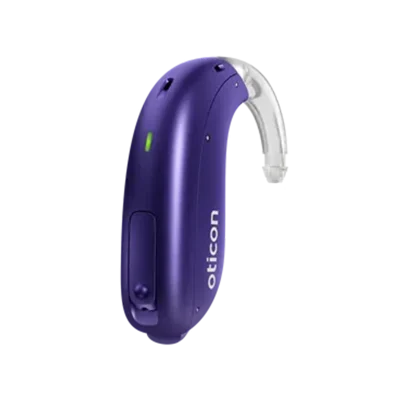
Oticon Play PX BTE Series – Compatibility & Accessories Guide | Japebo
If you’re looking for Oticon Play PX BTE Series accessories, this guide helps you confirm compatibility and choose the right parts before you buy. The Oticon Play PX BTE Series (Behind-The-Ear) models can be fitted in different ways (for example with tubing and an earmould, or with a thin tube and dome), and the correct accessory depends on your exact configuration.
Use the sections below to understand what typically fits the Oticon Play PX BTE Series, what to check on your current setup, and how to avoid the most common ordering mistakes.
What counts as an “accessory” for Oticon Play PX BTE BTE hearing aids?
Accessories for the Oticon Play PX BTE Series are the replaceable parts that connect your hearing aid to your ear and keep sound clear and comfortable. Common accessory types include:
Domes (if your Play PX BTE is fitted with a thin tube)
Thin tubes / tubing (the sound path from the hearing aid to your ear)
Earmould tubing and earhooks (if you use a classic BTE + earmould setup)
Wax protection (varies by fitting style; often sits in the dome/tube/receiver path depending on the system)
Cleaning tools and care items (to reduce blockage, moisture, and feedback)
Oticon Play PX BTE Series compatibility: what you must check first
Before choosing parts, identify how your Oticon Play PX BTE is currently fitted. This is the fastest way to ensure compatibility.
1) Are you using a thin tube + dome, or an earmould + hook?
Thin tube + dome is typically lighter and more discreet. You’ll usually replace domes (and sometimes the thin tube) regularly.
Earmould + hook uses an earhook on the hearing aid and a separate mould with tubing. In this setup, the main replaceable parts are often the earhook and tubing (and cleaning items).
2) Look for clues on the part itself
If possible, remove the ear piece and check for markings:
Tube length (often a number) and side (L/R)
Dome size (often printed on packaging, sometimes on the dome core)
Hook type (standard vs. tonehook; the shape/opening can differ)
If you’re unsure, compare your current part to the product photos on Japebo and match shape, connector type, and any printed codes.
Domes for Oticon Play PX BTE Series: which type should you choose?
If your Oticon Play PX BTE Series is fitted with a thin tube and dome, the right dome depends on comfort, retention, and how much sound/airflow you need.
Open domes
Open domes are designed to feel airy and reduce the “blocked” sensation. They’re often chosen for milder losses or when comfort and natural sound are priorities.
Closed domes
Closed domes provide more sealing than open domes. This can help with more amplification needs and can reduce the risk of whistling in some fittings (though fit and size matter most).
Power domes
Power domes seal more tightly and are typically used when more gain is required. They can feel more occluding, but provide stronger support for amplification.
How to pick the right dome size
Choose the size that matches your current dome if it fits well. If you’re between sizes:
If the dome feels loose or falls out, try one size up.
If the dome feels sore, creates pressure, or is hard to insert, try one size down or a different dome type.
Tubing and earhooks for Oticon Play PX BTE Series
Many Oticon Play PX BTE fittings rely on either a thin tube system or a classic earhook + tubing setup. Ordering the correct part depends on your current connection type.
Thin tubes (with domes)
Thin tubes are usually side-specific (left/right) and length-specific. The correct tube keeps the dome positioned correctly in the ear canal and reduces irritation and feedback issues caused by poor placement.
Earhooks and earmould tubing (with moulds)
If you use an earmould, the earhook is the plastic elbow on the hearing aid that the tubing attaches to. Earhooks can differ by sound opening and angle; match the hook style you have now. Tubing also comes in different internal diameters and stiffness—your hearing care professional usually chooses the type that matches your mould and acoustic needs.
Common problems (and the accessory that usually fixes them)
Whistling / feedback
Try a better seal: different dome type (e.g., from open to closed) or a larger size.
Check for cracks or looseness: replace domes/tubing if they’ve hardened or stretched.
Clean wax blockage: use the appropriate cleaning tool and replace wax protection if relevant for your setup.
Sound is weak or muffled
Most often caused by blockage: replace the dome and clean the sound path.
If you use tubing, check for moisture/condensation: drying and tube replacement can restore clarity.
Discomfort or the dome keeps slipping out
Change size or style: adjust dome size/type.
Confirm tube length and side: a mismatched thin tube length (L/R) can cause poor positioning.
Where to buy Oticon Play PX BTE Series accessories
You can buy compatible Oticon Play PX BTE Series accessories at Japebo. For best results, match your current part first (shape, connector, length, side, and size). If you want to change comfort or sound characteristics, switch one variable at a time (for example: dome type first, then size).
FAQ: Oticon Play PX BTE Series accessories
How do I know if an accessory fits my Oticon Play PX BTE Series?
Confirm whether you use thin tubes + domes or an earmould + earhook. Then match the connector type and any markings (L/R and length for tubes, and size/type for domes). When in doubt, compare your current part to the product photos.
How often should I replace domes or tubing?
As a rule, replace domes when they discolor, harden, tear, or stop sealing well. Tubes should be replaced when they stiffen, crack, or no longer sit comfortably (or if sound becomes muffled due to wear/moisture). Usage patterns and earwax levels can change replacement frequency.
Can I change from open to closed domes on Oticon Play PX BTE Series?
Often yes (if your fitting uses domes), but the change affects sound and ventilation. If switching increases occlusion or changes sound quality too much, try another dome type/size—or consult your hearing care professional for the best acoustic match.
Do I need left/right specific parts?
Many thin tube systems are side-specific (L/R) and length-specific. Domes are usually not left/right specific, but tube length and side commonly are.
What if I’m not sure which exact part I have?
Check your packaging, look for markings on the tube/hook, and compare shapes. If you can, note your hearing aid model details and the current part’s code so you can match it precisely.
Internal linking plan (to be implemented on Japebo): Link up to the parent Oticon Play PX accessories hub (anchor: “Oticon accessories compatibility guide”). Link sideways to related Oticon maintenance/care guides (anchor: “Oticon hearing aid cleaning and care”). Link down to the relevant product/listing pages for Oticon domes, Oticon thin tubes, and Oticon earhooks/tubing (anchors: “Oticon domes”, “Oticon thin tubes”, “Oticon earhooks and tubing”).
Schema recommendations: BreadcrumbList schema. FAQPage schema for the FAQ section. Optional ItemList schema if the category page includes a product grid of compatible accessories.