Widex Daily RIC Receivers (No. 812) | Compatibility & Buying Guide
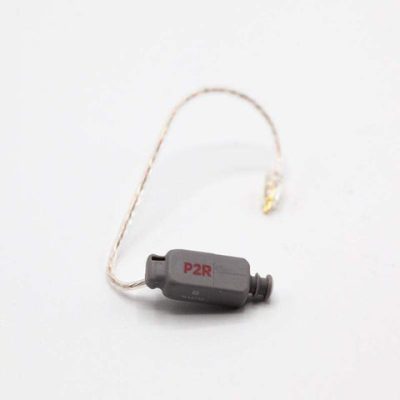
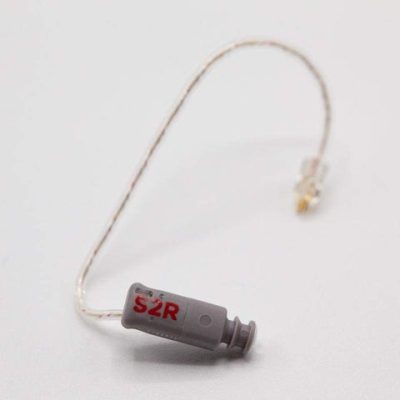
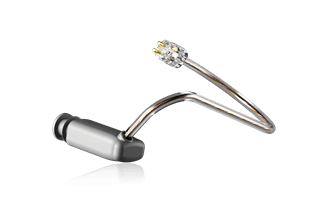
If you’re looking for a Widex Daily RIC receiver, you’re typically replacing the small speaker that sits in the ear on a Widex receiver-in-canal (RIC) hearing aid. This guide focuses on the Widex Daily RIC receiver (No. 812) so you can confirm compatibility, choose the correct version (left/right, length, power), and avoid ordering the wrong part.
What is a Widex Daily RIC receiver?
A receiver (also called a speaker) is the sound output component on a RIC hearing aid. It connects to the hearing aid body via a thin wire and delivers sound into the ear canal through a dome or earmould. Widex Daily RIC receivers are made to match specific Widex RIC systems, so the correct receiver must match both the hearing aid model/family and the Widex receiver platform.
Compatibility: which hearing aids use the Widex Daily RIC receiver (812)?
The Widex Daily RIC receiver 812 is intended for Widex hearing aids that use the Daily RIC receiver system. Because Widex receivers are not universally interchangeable across all Widex families, the safest way to confirm fit is to compare the receiver type already on your device.
How to confirm you’re on the right page:
Check the printing/marking on your current receiver or the packaging from your last replacement (look for “Daily RIC” and/or the number “812”).
Match the physical connector shape to your existing receiver (Daily RIC receivers use a specific Widex connector format).
If you’re unsure, use your hearing aid model name and a clear photo of the connector end to confirm before buying.
Tip: If your current receiver is damaged or unreadable, your audiologist invoice or fitting report often lists the receiver type, power, and length.
Widex Daily RIC receiver options: side, length, and power
Widex Daily RIC receivers (812) usually come in multiple variants. Choosing the correct one is essential for comfort, sound quality, and reliable fit.
Left vs. right
Receivers are side-specific. The left receiver is shaped to sit correctly around the left ear, and the right receiver for the right ear. If you swap sides, the wire routing and fit will typically feel wrong and may not sit securely.
Wire length
Wire length affects how the receiver sits in the canal and how the hearing aid rests behind the ear. If the wire is too short, it may pull and cause discomfort. If it’s too long, it may sit loosely or move more than it should.
Best practice: replace with the same length as your existing receiver whenever possible.
Receiver power/strength
Receivers are commonly offered in different output levels (often described as standard/medium/power or similar). Using the wrong power level can lead to:
insufficient volume or poor clarity (too weak),
increased risk of feedback/whistling or an overly loud sound (too strong),
settings no longer matching your hearing aid fitting.
If you don’t know your receiver power, check your old receiver label/packaging or your audiologist’s documentation.
How to choose the correct Widex Daily RIC receiver (812)
Use this quick checklist to reduce the chance of mismatch:
Confirm the receiver system: it must be Widex Daily RIC (not another Widex receiver platform).
Match the part number: choose No. 812 if that’s what your current receiver uses.
Select the correct side: left or right.
Match the wire length: same as your current receiver for best fit.
Match the power level: same as currently fitted unless your hearing care professional has told you to change it.
Common issues after replacing a receiver (and what to do)
No sound or intermittent sound
Check that the receiver is fully seated/connected to the hearing aid.
Replace the wax filter (a blocked filter can mimic a “dead” receiver).
Try a new dome if the old one is clogged or deformed.
Whistling/feedback
Ensure the dome size is correct and inserted properly.
Check for a poor seal (dome too small) or a cracked dome.
Confirm you didn’t accidentally choose a higher-power receiver than your fitting.
Receiver feels uncomfortable in the ear
Wire length may be wrong (too short or too long).
Dome style/size may need adjustment (open vs. closed designs affect comfort and retention).
What else you may need with a Widex Daily RIC receiver
Receivers are usually used together with consumables that affect sound and hygiene. When replacing a receiver, it’s often a good time to check:
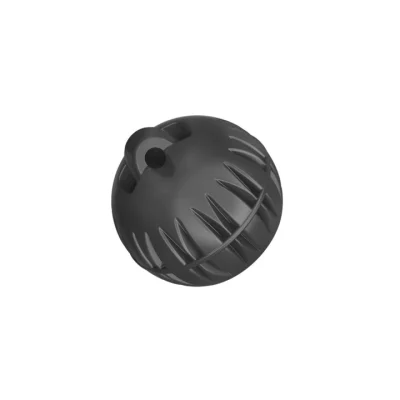
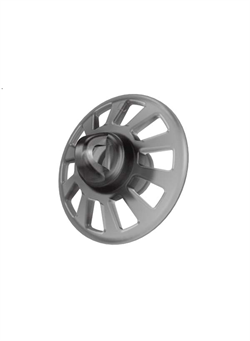
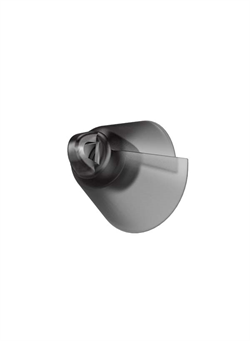
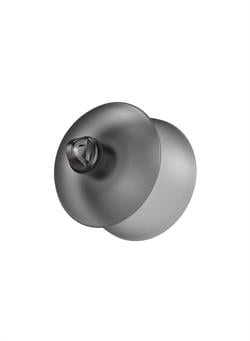
Domes (for fit, comfort, and feedback control)
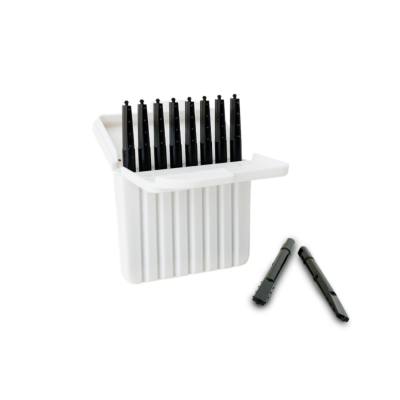
Wax filters (to prevent wax/moisture from damaging the receiver)
Where to buy Widex Daily RIC receivers (812)
You can order Widex Daily RIC receivers (No. 812) online when you know the correct side, length, and power. If you’re uncertain about compatibility, it’s worth confirming before ordering—using the exact information from your current receiver or your fitting paperwork—so you get a receiver that fits and performs as intended.
FAQ: Widex Daily RIC receiver (812)
Is “812” the same as the wire length or power?
No. 812 identifies the receiver type/platform. Length and power are separate options/markings depending on the variant.
Can I use a different Widex receiver type if it looks similar?
Usually not. Even if two receivers look alike, the connector system and compatibility can differ between Widex platforms. For best results, replace like-for-like: Widex Daily RIC (812).
Do I need to change domes and wax filters when I replace the receiver?
Not always, but it’s recommended to check both. A clogged wax filter or worn dome can cause weak sound, feedback, or poor fit even with a brand-new receiver.
How do I know whether I need left or right?
Receivers are side-specific. If you’re replacing an existing receiver, match the side you’re replacing (left for left ear, right for right ear). If in doubt, compare the routing/shape to the old receiver or check the label on the packaging.