Widex

Widex guide | Compatibility, accessories & choosing the right parts

If you’re looking for Widex accessories and want to be sure everything fits, this Widex guide is here to remove the guesswork. Widex hearing aids use different connection types and component systems depending on model and style, so it’s important to match the right accessory to your specific hearing aid.

Below you’ll find a clear overview of the most common Widex accessory types, how Widex compatibility typically works, and how to confirm you’re choosing the correct part before you buy. The goal is simple: help you quickly answer, “Am I on the right page, and which Widex accessory do I need?”

What this Widex guide covers
Widex hearing aid accessories generally fall into a few key categories. Each category solves a specific problem—comfort, sound quality, hygiene, or day-to-day reliability.

Earpiece parts: domes, sleeves, and other tips that sit in the ear
Hygiene parts: wax filters/guards that protect the sound outlet
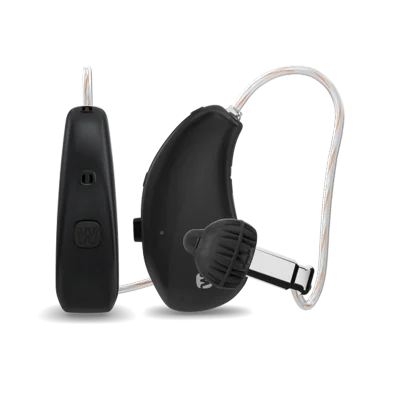
Sound components: receivers (speaker units) for receiver-in-ear styles
Power solutions: batteries and (for some models) charging accessories
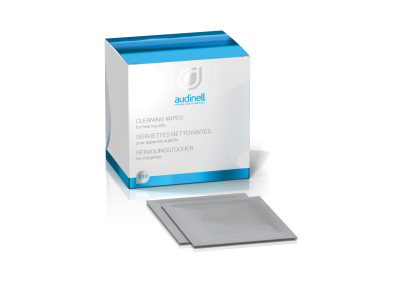
Maintenance: cleaning tools and care products that keep performance stable

How Widex compatibility works (and why it matters)
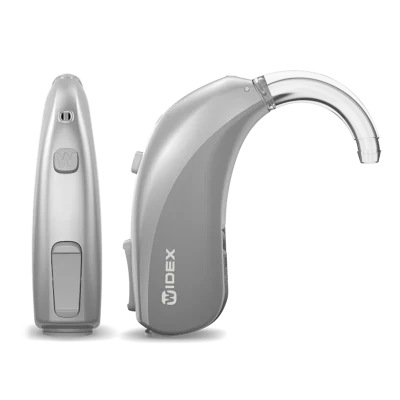
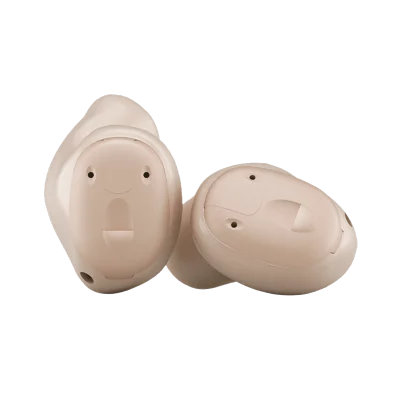
With Widex, compatibility is usually determined by the hearing aid style (RIC/RITE vs. BTE vs. ITE), plus the connection system used for the earpiece and receiver. Even accessories that look similar—like domes or wax guards—can be different sizes or locking types, and using the wrong one can lead to poor sound, discomfort, or feedback (whistling).

In most cases, you can identify the correct Widex accessory by checking:

Your hearing aid model name (often shown in your paperwork or app)
The part number on the original packaging (if you have it)
Visual cues such as dome shape, wax guard style, or receiver connection

Choosing the right Widex accessory
Use these quick checks to narrow down the correct option:

1) If you’re buying Widex domes or ear tips
Start with size (comfort and seal) and type (open vs. more closed). Open styles typically feel lighter and reduce the “plugged” sensation, while more closed styles can increase bass and reduce feedback if you need more amplification. If you’re replacing an existing dome, match the type and size you currently use unless your hearing care professional advised a change.

2) If you’re buying Widex wax filters/guards
Wax protection is one of the most model-specific areas. The right filter must fit the exact sound outlet or earmold style. If the wax guard doesn’t seat properly, it may fall out, block sound, or fail to protect the receiver. If you notice sound cutting out or becoming muffled, a blocked wax filter is one of the first things to check.

3) If you’re buying Widex receivers (speaker units)
Receivers must match both the connection type and the power/length you use. If you’re unsure, look for markings on the receiver cable (often indicating length) and keep the same power level as your current setup. A mismatched receiver can cause fit problems, unstable sound, or incompatibility with your device.

Common Widex accessory problems (and what usually fixes them)
Muffled or weak sound
Often caused by a clogged wax guard/filter or debris in the sound outlet. Replacing the wax filter and checking the dome for blockage solves many “sudden volume drop” issues.

Whistling (feedback)
This is commonly linked to a poor seal (dome too small or incorrect type) or a dome that isn’t fully seated. Moving to the correct size or switching to a more closed dome style can help—provided it’s the right Widex-compatible option for your setup.

Domes slipping off or not staying on
If the dome doesn’t lock correctly onto the receiver/sound outlet, it may be the wrong type for your Widex system. Always choose domes designed for your specific Widex receiver/earpiece connection.

Where to buy Widex accessories with confidence
When you order Widex parts online, the key is matching the accessory to your hearing aid model and current setup. If you’re replacing what you already use, the safest route is to match the same type, size, and system as before. If you’re changing fit or performance (for example, moving from open to more closed domes), consider confirming the recommendation with your hearing care professional.

FAQ: Widex accessories & compatibility
How do I find out which Widex accessory fits my hearing aid?
Check your hearing aid model name (paperwork/app), look at the packaging from your existing parts, or compare the shape/type of the accessory you currently use. Compatibility is most sensitive for wax guards and receivers.

Can I use non-Widex accessories on a Widex hearing aid?
Some third-party items may look similar, but fit and locking mechanisms can differ. For best performance and safety, choose accessories that explicitly state Widex compatibility.

How often should I replace Widex wax filters?
It varies by earwax production and daily use. Replace a wax filter when sound becomes muffled, the aid seems quieter than normal, or the filter looks blocked.

Do Widex domes come in different sizes and types?
Yes. Widex-compatible domes typically come in multiple sizes and in open and more closed variants. The right choice depends on comfort, retention, and the amount of sealing needed.

Tip: If you want to be 100% sure before ordering, match the naming/shape of your current accessory or find the part number on the original pack—these are usually the fastest ways to confirm Widex compatibility.