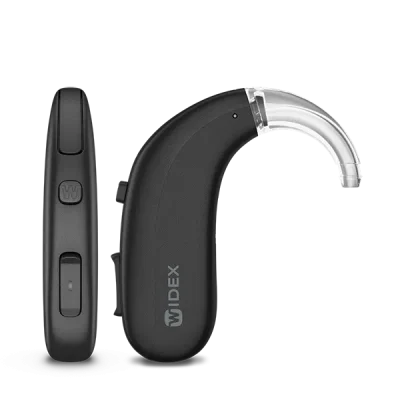
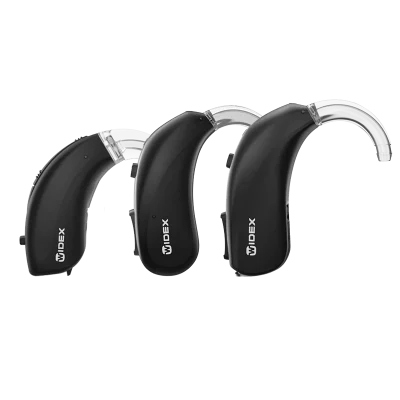
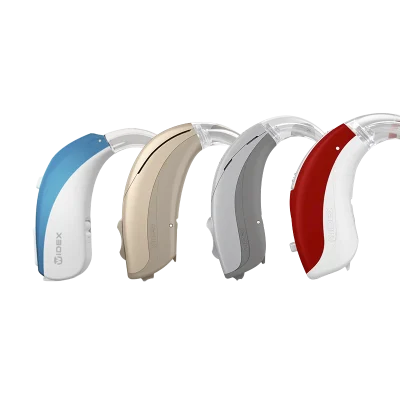
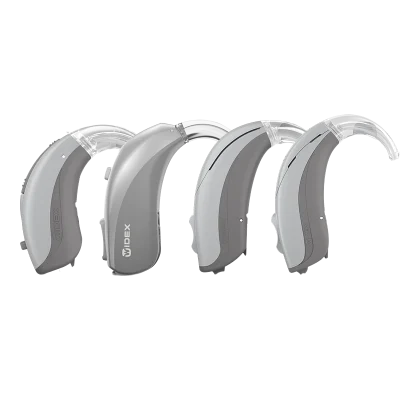
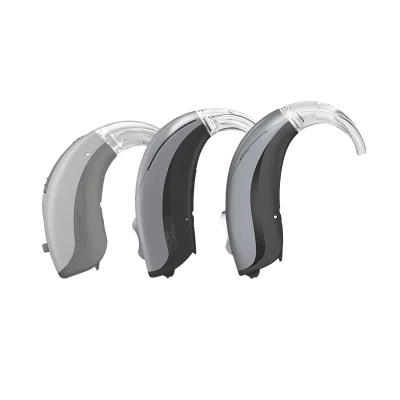
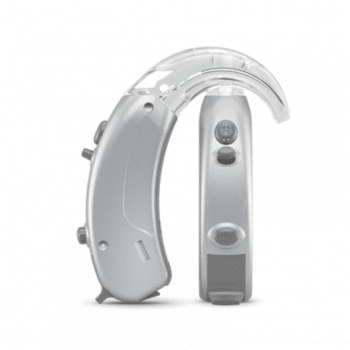
Behind The Ear Instrument (BTE)

Behind The Ear Instrument (BTE) – Compatibility Guide & Accessories

If you’re looking for Behind The Ear Instrument (BTE) hearing aid accessories, you’re in the right place. “BTE” describes a hearing aid style where the main device sits behind the ear, connected to an earmould or an ear piece via tubing or a thin sound tube. Because BTE setups can vary a lot (classic tube-and-mould vs slim-tube vs power BTE), choosing the correct accessory depends on your exact configuration.

This guide explains what BTE means, which accessory types are commonly used with BTE hearing aids, and how to confirm compatibility before you buy—so you can get parts that fit and work properly.

What is a Behind The Ear Instrument (BTE)?
A Behind The Ear Instrument (BTE) hearing aid sits behind the ear and sends sound into the ear through either:

Standard tubing + earmould (often used in power BTEs)
Slim tube / thin tube + dome (a more discreet BTE-style fitting)

Because these fittings differ, accessories are not “one-size-fits-all.” Many parts are selected based on the tube type, the ear piece (mould or dome), and sometimes the connector system used by the manufacturer.

Common BTE accessory types
Depending on your BTE setup, you may need one or more of the following:

Tubes (standard or slim)
Tubing is one of the most common BTE wear parts. Standard tubes connect the hearing aid hook to an earmould, while slim tubes connect to a small ear piece (often with a dome). Tube length, diameter, and connector type must match your hearing aid and fitting system.

Earmoulds and dome-style ear pieces
Classic BTEs often use an earmould for stability and acoustics. Slim-tube BTE fittings often use domes (open, closed, or power styles). Dome size and style affect comfort, retention, and sound performance.

Wax protection (where applicable)
Some BTE fittings—especially slim-tube styles with a receiver/sound outlet closer to the ear—may use wax protection solutions. Others rely more on cleaning routines for the mould/tube rather than in-canal wax guards. What you need depends on where wax can enter your specific system.

Cleaning and maintenance items
BTE hearing aids and fittings benefit from regular upkeep. Common needs include cleaning tools for moulds and tubes, drying solutions, and replacement parts for wear components (like tubes and domes) to maintain sound quality and prevent moisture or blockage issues.

How to choose the correct BTE accessories (compatibility checklist)
Use this checklist to confirm you’re selecting the right parts:

Identify your fitting type: standard tube + mould, or slim tube + dome.
Check the connector system: tubes and ear pieces often use brand/model-specific connectors.
Confirm sizes: tube length, dome diameter, and (if applicable) earmould hook/tube dimensions.
Match to your hearing aid model: even within “BTE,” compatibility can vary by product family.
When in doubt, use a visual check: comparing your current part to the replacement (shape/connector) is often the fastest way to avoid mistakes.

Common BTE problems—and what the right accessory fixes
Sound is weak, muffled, or cuts out
This is often caused by a blocked tube, blocked mould sound bore, a clogged dome, or moisture. Replacing tubes/dom es (and cleaning moulds) typically restores normal sound.

Whistling / feedback
Feedback can be caused by a poor seal (dome too small, worn dome, tubing issue) or a poorly fitting mould. Choosing the correct dome type/size or addressing tubing/mould fit usually reduces whistling.

Poor comfort or the ear piece won’t stay in
If your dome slips out or feels sore, the size or style may be wrong (or worn). A different dome size/type—or a more secure fitting solution—often improves comfort and retention.

Buying BTE accessories with confidence
Because “Behind The Ear Instrument (BTE)” describes a style rather than a single standard, the safest way to buy is to match accessories to your exact BTE configuration and, where possible, your hearing aid model. If you’re replacing an existing part, using the current part as a reference (type, connector, and size) is usually the most reliable approach.

FAQ: Behind The Ear Instrument (BTE)
Is BTE the same as RIC/RITE?
No. RIC/RITE devices are also worn behind the ear, but the receiver sits in the ear canal on a wire. BTE typically refers to a behind-the-ear device that sends sound through tubing (standard or slim) to an earmould or dome-style ear piece.

Do all BTE hearing aids use the same tubes?
No. Tubes vary by style (standard vs slim), connector type, and length/size. Always match the replacement to your current tube type and your hearing aid’s fitting system.

How often should BTE tubes or domes be replaced?
It depends on wear, moisture, and earwax. Many users replace domes regularly and replace tubing when it hardens, discolors, or causes reduced sound quality. If sound becomes muffled or feedback increases, inspection and replacement are often the first steps.

What’s the easiest way to check compatibility?
Identify whether you have a standard tube + mould or a slim tube + dome fitting, then match the connector and size to your current part. If you have the hearing aid model name/number, use it to confirm compatibility.