Products
Receiver In The Ear (RITE) Instrument – Guide & Compatibility
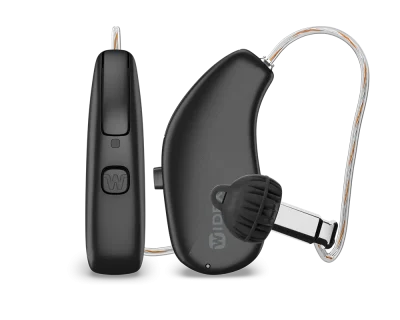
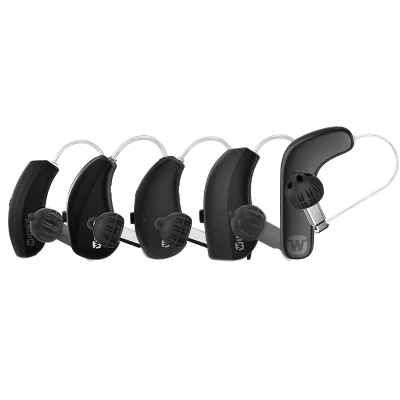
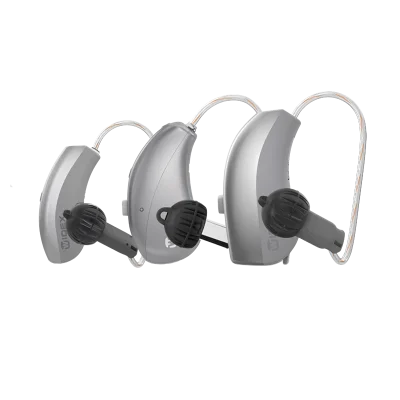
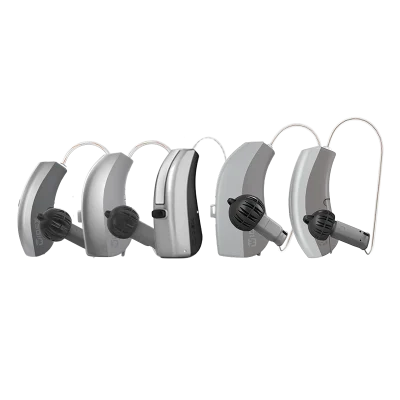
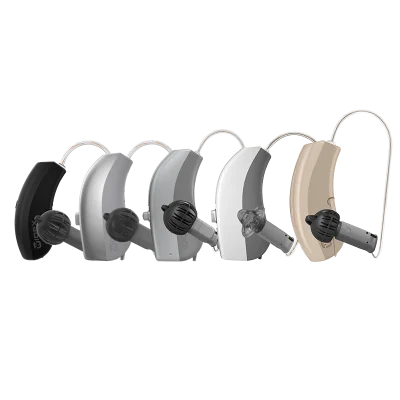
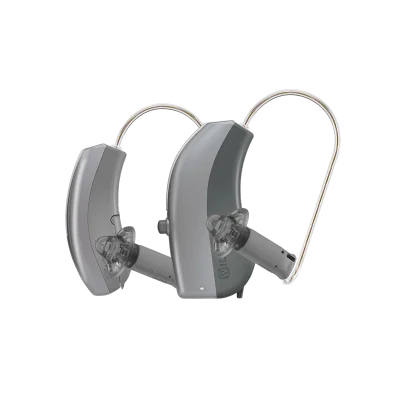
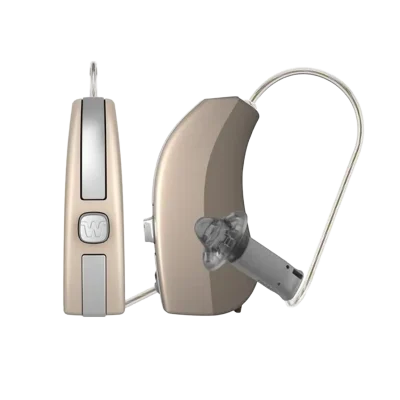
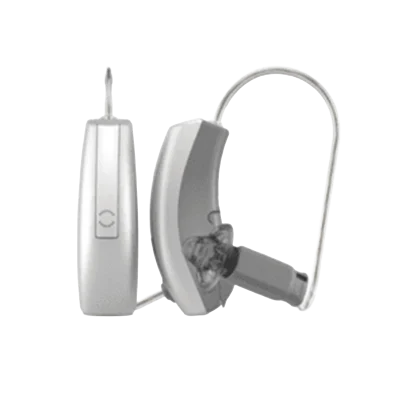
A Receiver In The Ear instrument (RITE) is a popular hearing aid style where the tiny speaker (the receiver) sits in the ear canal, while the main hearing aid housing sits behind the ear. The two parts are connected by a thin wire. This design often provides a comfortable fit, natural sound, and a discreet look—while making it easy to replace common wear parts like receivers, domes, and wax filters when needed.
This guide explains what a Receiver In The Ear instrument (RITE) is, what parts typically need replacing, and how to make sure you choose accessories that are truly compatible with your specific model.
What is a Receiver In The Ear (RITE) hearing instrument?
In a RITE system, the microphone and processor are located in the behind-the-ear unit, while the receiver is placed closer to the eardrum inside the ear canal. Compared with many classic behind-the-ear fittings (where sound travels through a tube into an earmould), the RITE setup can deliver sound more directly and with less occlusion for many users—especially when paired with open or vented dome solutions.
Typical RITE parts you may need to replace
Most day-to-day RITE maintenance involves replacing small accessories that affect comfort, sound quality, and reliability. The exact parts depend on your brand and model, but the most common are:
Receivers (speaker units): Available in different lengths, power levels, and connector types. They are model-specific.
Domes (ear tips): Different styles (open/vented/tulip/power) and sizes. Must fit the receiver type.
Wax filters / wax guards: Protect the receiver opening from earwax. Correct system depends on the receiver and brand.
Retention locks / sports locks: Helps keep the receiver stable in the ear. Compatibility depends on receiver design.
How compatibility works for RITE accessories
“RITE” describes the hearing aid style—not a universal connector standard. Compatibility is determined by the specific brand, hearing aid model/family, and receiver platform. Two RITE hearing aids from different brands (or even different families within the same brand) can use completely different receivers and wax filter systems.
What you should check before buying
To avoid ordering the wrong part, identify these details first:
Brand and model/family (usually shown in your hearing aid paperwork or in the manufacturer app).
Receiver type/platform (the connector and design must match).
Receiver length (commonly marked with a small number; your hearing care professional may also have noted it).
Receiver power level (e.g., standard vs. medium/power options depending on your fitting).
Dome size and style (comfort and sound depend on choosing the right fit).
Wax filter system (must match the receiver opening and filter seat).
How to choose the right RITE receiver
If you’re replacing a receiver, the safest approach is to match what you already have. The correct receiver must match the connector and platform, and then match the length and power level used in your fitting.
Tip: If your current receiver is still readable, check for markings on the wire/receiver (often length and power code). If you’re unsure, compare photos of your receiver connector and the ear-end design—small differences often indicate a different platform.
How to choose the right domes for a RITE instrument
Domes affect both comfort and sound. Open domes can feel less blocked and help with ventilation, while more closed or power domes can provide better bass and reduce feedback for some fittings. The correct dome must fit the receiver’s dome mount (diameter and locking style) and be the right size for your ear.
Common RITE problems (and what accessory may fix it)
Sound is weak, muffled, or cuts out
This is often caused by a blocked wax filter, a worn receiver, or moisture. Try replacing the wax filter first. If the problem continues, the receiver may need replacing.
Whistling (feedback)
Feedback can happen if the dome is too small, the wrong dome style is used, or the receiver is not seated properly. Trying a different dome size or a more closed dome style can help. Persistent feedback should be assessed to confirm the fit and settings.
Dome keeps slipping off or feels unstable
Check whether the dome is the correct type for your receiver mount and whether it’s fully attached. A compatible retention lock can also improve stability.
Buying RITE accessories with confidence
RITE accessories are small, but the compatibility details matter. If you match your brand, model, receiver platform, length, and power level, you can replace wear parts quickly and restore comfort and sound quality. If you’re uncertain between two options, choose based on exact model information and receiver platform—those are usually the decisive factors.
FAQ: Receiver In The Ear (RITE) instruments
Is RITE the same as RIC?
Yes—RITE (Receiver In The Ear) and RIC (Receiver In Canal) are commonly used to describe the same behind-the-ear style with the receiver placed in the ear canal.
Can I use any receiver with a RITE hearing aid?
No. Receivers are not universal. They must match your brand and your hearing aid’s specific receiver platform/connector, and then the correct length and power level.
How often should I change wax filters on a RITE instrument?
It depends on earwax production and use, but many users replace wax filters regularly to prevent muffled sound. If sound quality drops suddenly, the wax filter is a good first check.
Do domes fit all RITE receivers?
No. Domes must match the receiver’s dome mount type and size. Even if two domes look similar, the attachment system can differ.
What if I don’t know my receiver length or power?
Check for markings on the receiver/wire or refer to your fitting documentation. If you can’t confirm it, matching your current receiver exactly (by model/platform and markings) is typically the safest approach.