

Products



RIC Instrument – Starkey Guide | Compatibility & Setup (RIC)
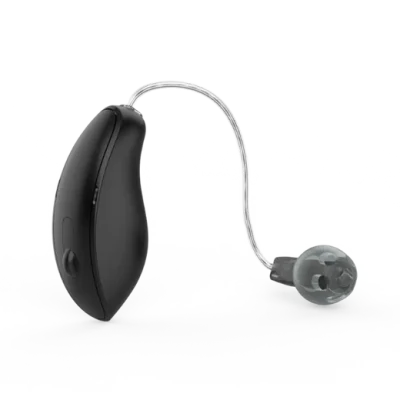
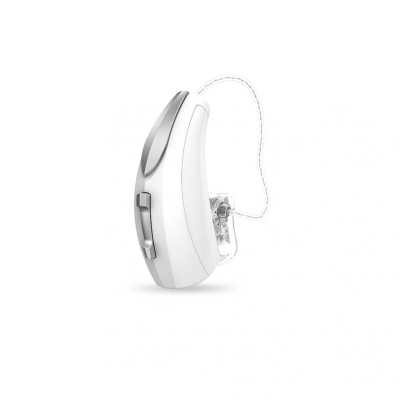
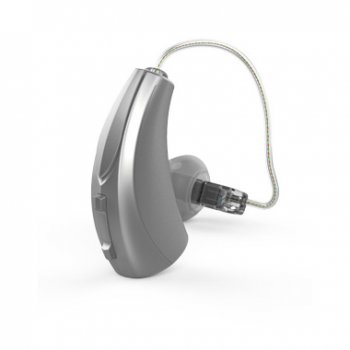
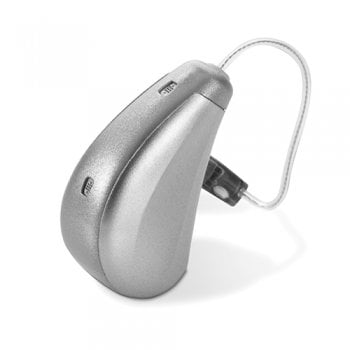
If you’re using a Starkey RIC instrument (Receiver-in-Canal hearing aid), the most common challenge is simple: choosing parts that actually fit. Starkey RIC models use a receiver (speaker) that sits in the ear canal and connects to the hearing aid via a thin wire. That design is discreet and comfortable—but it also means compatibility depends on the exact receiver type, wire length, and the correct ear-coupling (domes or custom molds).
This guide explains how Starkey RIC instruments work, which replacement parts matter most, and how to identify what you need so you can buy with confidence.
What is a Starkey RIC instrument?
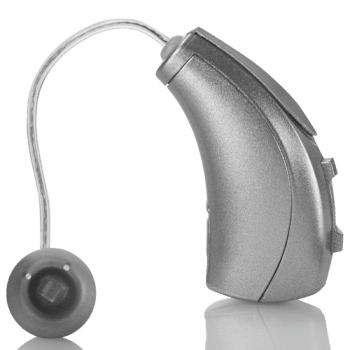
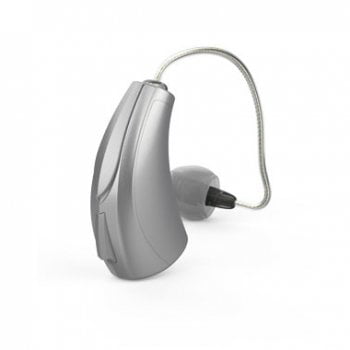
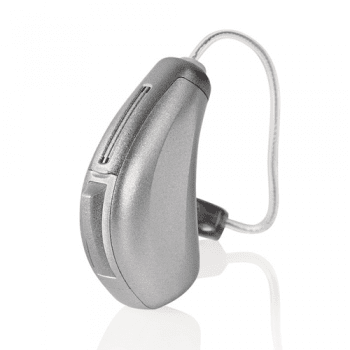
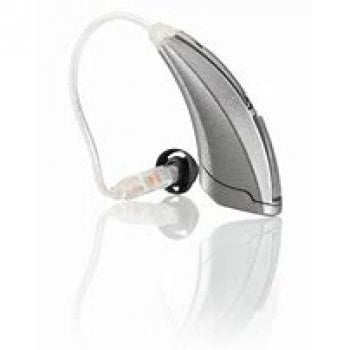
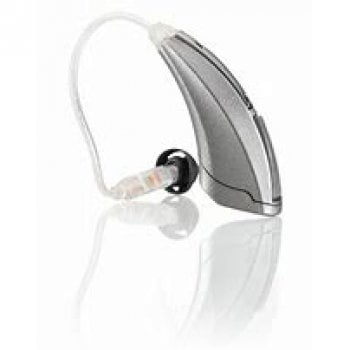
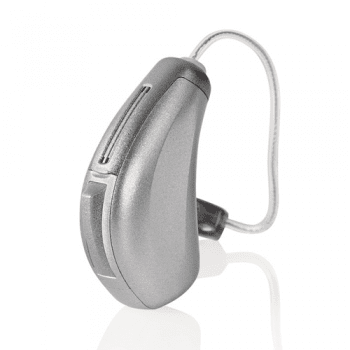
A Starkey RIC (Receiver-in-Canal) hearing aid is a behind-the-ear style where the microphone and processor sit behind the ear, while the receiver (speaker) sits in the ear canal. The receiver is connected by a thin wire rather than a thick tube. Compared with classic BTE tubing systems, Starkey RIC instruments usually offer:
Better comfort and a less “blocked” feeling (especially with open fittings)
Cleaner sound delivery because the receiver is closer to the eardrum
More flexibility in changing domes and receiver power levels
The key parts that must match your Starkey RIC
Most accessory compatibility questions for a Starkey RIC instrument come down to these components:
1) Receiver (speaker) + wire length
The receiver is the most brand- and model-specific part. Even within Starkey, different generations and receiver systems can exist. Two things must be correct:
Receiver type/connection (the plug/interface must match your Starkey hearing aid model)
Wire length (commonly numbered; the right length affects comfort, retention, and sound stability)
If your current receiver has markings, the best approach is to match the receiver code exactly. If not, check your hearing aid paperwork, fitting report, or ask your hearing care professional for the receiver specification.
2) Domes (ear tips)
Domes determine how the receiver sits in your ear and how “open” or “closed” the fit feels. Starkey RIC fittings commonly use:
Open domes (more natural own-voice, more ventilation; suited to mild-to-moderate losses)
Closed domes (more bass and less leakage; can help if sound feels thin)
Power domes (more seal; can help if you get feedback/whistling or need more amplification)
Even if the dome looks “about right,” the attachment style must match your Starkey receiver. The safest choice is to replace with the same dome family and size you use today, then adjust only one variable at a time (e.g., size first, then type).
3) Wax protection (filters/guards)
Many Starkey RIC receivers use a wax guard system to protect the receiver opening. Wax protection is small but crucial: a blocked filter can make the sound weak, intermittent, or completely silent. Filter systems differ—so you should use the exact wax guard type designed for your receiver.
How to identify what you need (quick, reliable methods)
Check your current parts
If possible, remove the dome and look for receiver markings (codes can indicate power level and length). Also compare the dome attachment style and any wax guard type you currently use.
Use your Starkey model name
Your hearing aid model name (often printed on paperwork or visible in your app) can help narrow down the correct Starkey RIC receiver system and compatible consumables.
Match what’s already working
If you are happy with comfort and sound, the lowest-risk approach is to replace like-for-like: same receiver type, same wire length, same dome family and size, same wax filters.
Common Starkey RIC problems (and what to try first)
Sound is weak or cuts out
Replace the wax filter (most common cause)
Try a new dome (old domes can slip and leak sound)
If issues persist, the receiver may be failing and need replacement
Whistling / feedback
Try a larger dome size or a more closed dome type
Check that the receiver sits correctly and the dome is fully attached
Replace worn domes (loss of seal increases feedback)
Fit feels uncomfortable or unstable
Adjust wire length (too short pulls; too long can feel loose)
Try a different dome size (small size changes can matter)
Use a retention/anchor solution if recommended for your receiver system
Buying Starkey RIC replacements: what to get right
To order correctly, you typically need:
Your Starkey RIC receiver type
Wire length
Dome family + size (and dome type: open/closed/power)
Wax filter type
When those match, replacements are straightforward—and your hearing aids will sound and feel the way they should.
FAQ – Starkey RIC instrument compatibility
Are all Starkey RIC receivers interchangeable?
No. Starkey RIC receivers must match the receiver system used by your specific hearing aid model and generation. The connector and receiver design can differ, so always match the receiver type/code.
Can I use any dome on a Starkey RIC receiver?
No. Domes must fit the receiver’s attachment style. Use domes designed for your Starkey receiver system, and keep the same dome family if you are unsure.
How often should I change wax filters on a Starkey RIC?
It depends on earwax and use, but many users replace filters every few weeks or whenever sound becomes weak or muffled. If you frequently get blockages, check filters more often.
What if I don’t know my receiver length?
The easiest option is to look for markings on the receiver/wire or compare to your current part packaging. If that’s not available, your hearing care professional can confirm the correct length quickly.
Next step
If you want the safest path, identify your current Starkey RIC receiver and consumables and replace like-for-like. If you’re trying to improve comfort or reduce feedback, change one element at a time (size or type) so you can clearly measure the effect.