


Starkey Halo iQ RIC accessories & compatibility guide | Japebo
If you use Starkey Halo iQ RIC hearing aids, choosing the correct accessories (domes, wax guards/filters, and receivers/speakers) is mostly about matching the exact style and size your device is fitted with. This guide explains what fits the Starkey Halo iQ RIC family, how to identify what you need, and how to avoid the most common ordering mistakes.
What “RIC” means for Starkey Halo iQ iQ
RIC stands for Receiver-in-Canal. With Starkey Halo iQ RIC, the small “speaker” (receiver) sits in your ear canal and connects to the hearing aid by a thin wire. This design is comfortable and discreet, but it also means certain parts are wear items that you may need to replace periodically:
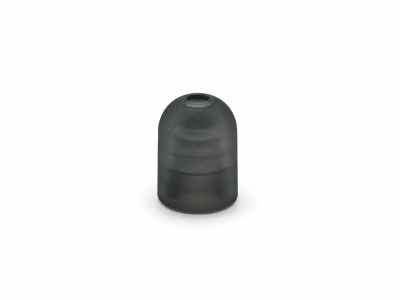
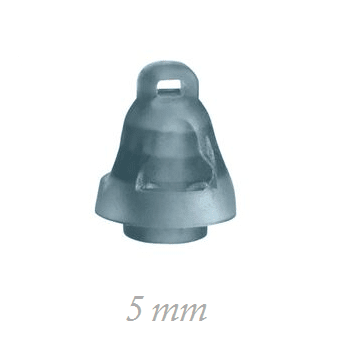
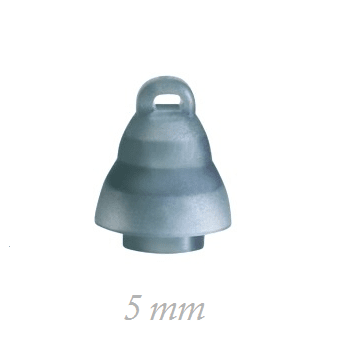
Domes (the soft silicone tip that sits in the ear)
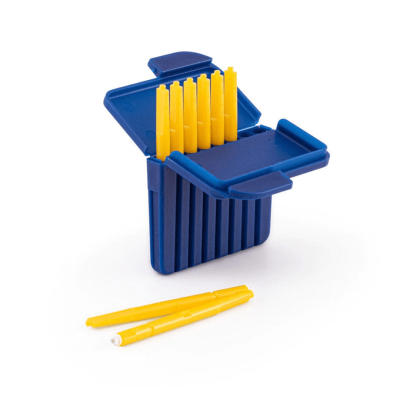
Wax protection (wax guard/filter that protects the receiver)
Receiver/speaker (the sound output unit on the end of the wire)
Compatibility basics for Starkey Halo iQ RIC accessories
Accessories for Halo iQ RIC are compatible when they match your current fitting. In practice, the “right” option depends on:
Receiver type and power level (e.g., different strengths may exist)
Dome connection style (domes must fit the receiver nozzle correctly)
Wax guard model used in your receiver (filters are not universal)
Size (dome diameter; receiver wire length)
If you are replacing like-for-like, the simplest approach is to match what you already use (same dome type/size and same wax guard system). If you are changing fit (for example from open to closed domes), it’s best to confirm with your hearing care professional, because it can affect sound and comfort.
Starkey Halo iQ RIC domes: types and how to choose
Domes affect comfort, retention, and how much sound (and airflow) passes through. The most common dome styles used with RIC fittings include:
Open domes: more ventilation; often used for mild-to-moderate fittings and a more “natural” ear feel
Closed domes: more sealing than open domes; can improve bass and reduce feedback in some cases
Power domes: the most sealed option; typically used when more amplification is needed
How to pick the right dome: choose the same type and size as your current dome unless you were advised to change. If your current dome feels loose, falls out, or whistles (feedback), a different size or type may be needed.
Signs you need new domes
Dome feels slippery, stretched, or discoloured
It no longer grips the receiver firmly
Reduced comfort or more feedback than normal
Wax guards/filters for Starkey Halo iQ RIC
Wax protection is critical on RIC receivers because the receiver sits in the canal and is exposed to moisture and earwax. Using the correct wax guard type helps prevent weak sound and receiver damage.
How to make sure you buy the right wax guards:
Check the packaging of your current filters (model name/number)
Compare the filter’s shape/colour and the tool that removes it
If you’re unsure, match by the exact receiver system used on your Halo iQ RIC
If your hearing aid sounds muffled, cuts out intermittently, or seems quieter than usual, a blocked wax guard is one of the most common causes.
Receivers (speakers) for Starkey Halo iQ RIC: what matters
Receivers are not “one-size-fits-all.” When replacing a receiver for Starkey Halo iQ RIC, you typically must match:
Side: left vs right
Wire length: must sit comfortably behind the ear without pulling
Power level: should match your fitting to maintain sound and avoid feedback or distortion
Connector/receiver family: must match the Halo iQ RIC receiver system
If you are replacing a faulty receiver, matching your existing receiver details is usually the safest choice.
Common Starkey Halo iQ RIC problems (and what to try first)
Sound is weak or muffled
Replace the wax guard/filter
Check the dome for blockage and replace if needed
If the issue persists, the receiver may be failing
Whistling (feedback)
Make sure the dome is fully seated
Try a fresh dome (worn domes can leak)
You may need a different dome size/type for a better seal
Dome keeps falling off
Replace the dome (it may be stretched)
Confirm you’re using the correct dome connection style for your receiver
Buying Starkey Halo iQ RIC accessories at Japebo
When you shop accessories for Starkey Halo iQ RIC, focus on matching the exact part you already have: dome type/size, wax guard model, and receiver details (side, length, power). If you can’t identify the part, a clear photo of your receiver tip and current packaging is often enough to confirm the correct match before ordering.
FAQ: Starkey Halo iQ RIC accessories
Are Starkey Halo iQ RIC domes universal?
No. Many domes look similar, but the connection to the receiver nozzle can differ. For best results, choose domes specifically compatible with the receiver system used on Starkey Halo iQ RIC.
How often should I replace domes and wax guards?
It depends on earwax, moisture, and wear, but domes are commonly replaced every few weeks (or sooner if they feel worn), and wax guards are replaced whenever sound becomes weak/muffled or on a regular routine recommended by your provider.
How do I know my receiver wire length?
Wire length is often printed on the receiver packaging or marked on the receiver itself. If you’re unsure, match the exact length you currently wear for comfort and secure fit.
Can I switch from open domes to closed/power domes?
Sometimes, but it can change sound balance and may increase the feeling of occlusion. If your goal is more bass or less feedback, it’s worth confirming the best option for your specific fitting.
What if I don’t know which Halo iQ model I have?
Confirm that your device is Halo iQ RIC (receiver-in-canal style with a thin wire to the speaker). If you can share the model information from your paperwork or a photo of the hearing aid, it becomes much easier to identify the correct accessories.