Starkey Muse RIC receivers & accessories – compatibility guide | Japebo
If you’re using a Starkey Muse RIC hearing aid, choosing the correct receiver (and the right everyday accessories that fit it) is essential for comfort, sound quality, and reliability. This guide helps you confirm Starkey Muse RIC receiver compatibility, understand the common options (length and power), and avoid the most typical ordering mistakes.
What is a Starkey Muse RIC receiver?
RIC stands for Receiver-In-Canal. On a Starkey Muse RIC device, the receiver is the small speaker that sits in or near the ear canal, connected to the hearing aid by a thin wire. Because the receiver is the part closest to earwax and moisture, it’s also one of the most frequently replaced components.
Which hearing aids use Starkey Muse RIC receivers?
This page is for accessories intended for the Starkey Muse RIC platform. Muse RIC models use specific receiver and ear-side parts that must match your system. If you are unsure whether you have Muse or another Starkey family, check:
The hearing aid paperwork or fitting report (often lists “Muse RIC”)
The model name printed on the device body
Your current receiver markings (length/power) and connector style
If anything doesn’t match, stop and confirm before ordering—different Starkey families can look similar but are not always cross-compatible.
How Starkey Muse RIC receiver compatibility works
To select the correct Starkey Muse RIC receiver, you typically need to match three things:
1) Receiver side (Left / Right)
Receivers are side-specific. Ordering the wrong side can cause poor fit or incorrect wire routing.
2) Receiver length (wire length)
Receiver wires come in different lengths to route comfortably over the ear. Your current receiver usually has a small marking for the length. If the wire is too short, it will pull; too long, it may loop or sit loosely.
3) Receiver power level
Muse RIC receivers are available in different output levels (often described as standard/medium/power depending on region and labeling). Your fitter selects this based on your hearing loss and acoustics. If you change power level without guidance, you may reduce sound quality or risk feedback.
How to identify what receiver you have now
The safest method is to match the markings on your existing receiver. Remove the dome and look for:
L or R (side)
A number (wire length)
A power marking (varies by labeling)
If the receiver is damaged or unreadable, use your hearing care professional’s fitting notes, or contact Japebo support with clear photos of the receiver connector and any visible markings.
Related Starkey Muse RIC ear-side accessories (what usually fits together)
Most Muse RIC users also replace ear-side parts regularly. Depending on your setup, you may need compatible:
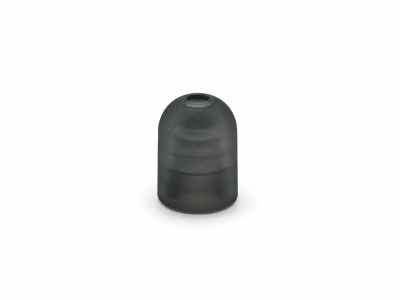
Domes (open, closed, power) for comfort and acoustics
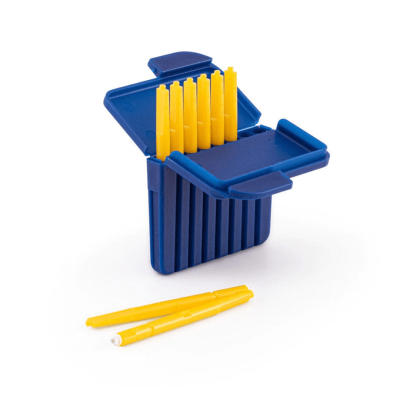
Wax protection (filters/guards) to protect the receiver from blockage
Retention locks (sports locks) to help keep the receiver stable in the ear
Compatibility can vary by receiver version and dome/filter system, so always match what you currently use or verify against your receiver type.
Common problems (and what they usually mean)
Whistling / feedback after changing parts
Often caused by an acoustic mismatch (wrong dome type/size) or a receiver power change. Try returning to the previous dome style/size, and ensure the receiver power level matches what you had before.
Sound is weak or cuts out
A blocked wax guard, moisture in the receiver, or a failing receiver are common causes. Replace wax protection first; if the problem persists, the receiver may need replacement.
Receiver won’t sit comfortably
Usually a wire length issue, incorrect side (L/R), or missing/incorrect retention lock.
Buy Starkey Muse RIC receivers at Japebo
When you select a Starkey Muse RIC receiver, make sure you choose the correct side, length, and power to match your current setup. If you’re between options or unsure about compatibility, it’s better to confirm first than to guess—this prevents returns and ensures your hearing aid performs as intended.
FAQ – Starkey Muse RIC receivers
Are Starkey Muse RIC receivers interchangeable with other Starkey families?
Not always. Some Starkey RIC systems look similar but use different receiver types or ear-side parts. Only buy a receiver that explicitly matches your Muse RIC platform or matches the markings/connector of your current receiver.
Can I change to a stronger receiver power level for more volume?
It’s not recommended without professional guidance. Receiver power affects fitting, feedback management, and sound quality. If you need more amplification, your hearing care professional can advise the safest solution.
How often do receivers need replacing?
It varies. Wax and moisture exposure can shorten receiver life. Using the correct wax protection and replacing it regularly often helps extend receiver lifespan.
What should I do if I can’t read the markings on my receiver?
Use your fitting report or contact support with photos of the receiver, connector, and hearing aid model. The side (L/R), length, and power level are the key details needed to identify the correct replacement.