


Starkey S Series RIC receivers & parts – compatibility guide | Japebo
If you’re looking for Starkey S Series RIC parts, you’re usually trying to solve one of these issues: weak sound, intermittent audio, a receiver that has stopped working, or you simply need the correct replacement after a clinic visit. This guide helps you choose the right Starkey S Series RIC receiver and related replacement parts by explaining what “RIC” means, what typically needs to match for compatibility, and how to identify what you already have.
What is a Starkey S Series RIC receiver?
RIC means “Receiver-in-Canal”. Instead of having the speaker inside the hearing aid shell, the speaker (receiver) sits in the ear canal and connects to the hearing aid with a thin cable. On Starkey S Series RIC models, the receiver is one of the most commonly replaced parts because it’s exposed to moisture, earwax, and daily wear.
Starkey S Series RIC compatibility: what must match
Receiver compatibility is not only about “Starkey” as a brand. To ensure the replacement fits and performs correctly, these factors typically need to match:
1) Hearing aid family/model (S Series RIC)
Your receiver must be intended for the Starkey S Series RIC platform. Starkey has used different receiver systems across product families and generations, so staying within the correct family is key.
2) Left vs right
Receivers are usually side-specific. The cable length and the way the receiver sits can differ between left and right. If your current receiver has markings (often color or small letters), match the side when ordering.
3) Power level (receiver strength)
RIC receivers come in different power levels (for example, standard vs power). Your audiologist’s fitting is based on a specific receiver strength. If you choose a different power level, you may get poor sound quality or incorrect amplification unless the hearing aid is reprogrammed.
4) Cable/receiver length
Receiver cables typically come in different lengths so the hearing aid sits comfortably behind the ear while the receiver reaches the correct position in the canal. Matching the current length is the safest choice if your fit is good.
How to identify the S Series RIC receiver you need
If you’re unsure which receiver to choose, start with what you can confirm at home:
Check markings on the receiver/cable
Many receivers have small indicators for side (L/R) and sometimes length or power. If you can read them, match them exactly when buying a replacement.
Compare your current receiver visually
Look at the connector end (where the receiver cable plugs into the hearing aid) and the receiver body shape. Even small differences can indicate a different receiver system.
Use your hearing aid model name
If you know your exact Starkey S Series RIC model, use that as the starting point when selecting a receiver. If you’re between options, choosing based on your current receiver markings is usually more reliable than guessing.
Common problems with Starkey S Series RIC receivers (and what to do)
No sound or cutting out
This is often caused by moisture damage, cable wear, or earwax blockage at the receiver outlet. If changing wax protection and cleaning doesn’t fix it, a receiver replacement is a common next step.
Distorted or weak sound
Weak output can happen if the receiver is partially blocked or failing. First check wax protection and domes; if those are fine, the receiver may be near end-of-life.
Fit discomfort or feedback (whistling)
Feedback is frequently related to dome fit, incorrect dome type, or changes in the ear canal. If you recently changed domes, ensure you’re using the correct size and style. A receiver length that doesn’t sit correctly can also contribute to feedback.
Related parts often replaced with S Series RIC receivers
When replacing a receiver, it’s common to also check (or replace) the small consumables that affect sound and hygiene:
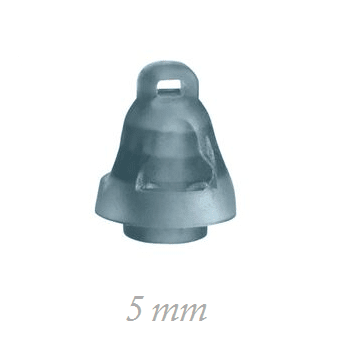
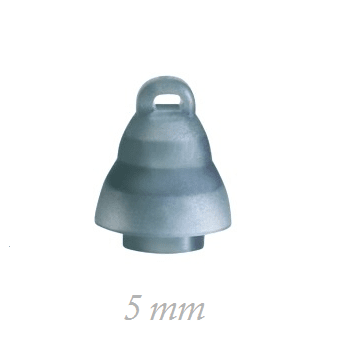
Domes (open, closed, power, and different sizes)
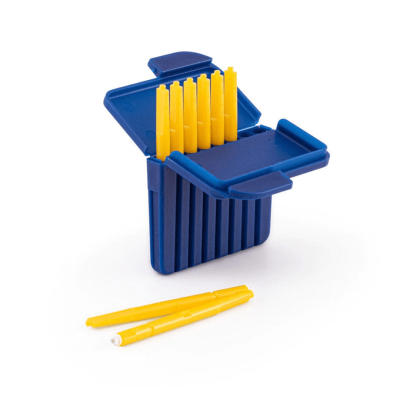
Wax filters / wax guards (to prevent earwax from entering the receiver)
Retention locks (if your receiver uses a stabilizer to keep it in place)
Buy Starkey S Series RIC receiver replacements at Japebo
Once you’ve confirmed side, length, and power level, you can safely choose the correct Starkey S Series RIC receiver replacement. If you want to be extra sure before ordering, match the markings on your current receiver and keep your hearing aid model name handy.
FAQ: Starkey S Series RIC receivers
Are all Starkey RIC receivers interchangeable?
No. Starkey has multiple receiver systems across different product families and generations. Always choose a receiver specified for Starkey S Series RIC (and match side/length/power).
Can I change the receiver myself?
Many RIC receivers are designed to be replaceable, but the exact method depends on the model. If you’re not confident, or if the hearing aid needs reprogramming after changing power level, contact your hearing care professional.
What if I choose the wrong receiver power level?
You may experience poor sound quality or insufficient/too much amplification. The hearing aid may also need professional adjustment to match the new receiver type.
Do I also need new domes or wax filters?
Not always, but it’s often a good idea to replace consumables at the same time—especially if you’re troubleshooting sound issues or the current parts are worn.