

Products
Philips HearLink miniRITE accessories & compatibility guide | Japebo
If you’re looking for Philips HearLink miniRITE accessories, the key is getting the right fit and compatibility for your specific miniRITE setup. This guide explains how Philips HearLink miniRITE parts typically match up (domes, receivers and wax filters), how to identify what you need, and what to do if sound or comfort isn’t right—so you can choose confidently before you buy.
What “miniRITE” means for accessories
miniRITE (mini Receiver-In-The-Ear) hearing aids use a small behind-the-ear housing with a thin wire that leads to a receiver sitting in the ear canal. Because the receiver and ear piece are modular, the accessories that matter most for Philips HearLink miniRITE are:
Domes (the soft tip that sits in the ear)
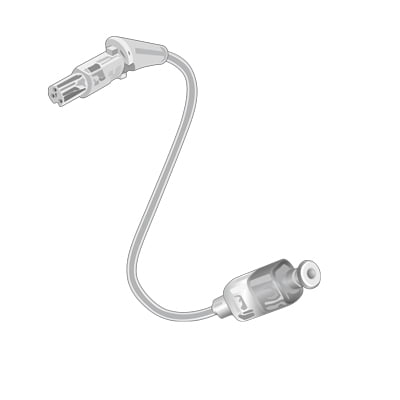
Receivers (the speaker unit on the end of the wire)
Wax filters / wax guards (protect the receiver opening from earwax and moisture)
In practice, most “fit issues” come down to choosing the right dome type/size or using the correct wax filter system for the receiver style.
Philips HearLink miniRITE dome types (and how to choose)
Domes affect comfort, feedback/whistling, and how natural or full the sound feels. Philips HearLink miniRITE hearing aids commonly use standard RITE-style dome options such as:
Open domes
Best if you want a more open feeling and more natural own-voice, typically used when you need less low-frequency amplification. If you feel “blocked” or your own voice sounds boomy, open domes are often the first thing to try.
Closed domes
Provide a bit more seal than open domes. Often used when you need more amplification or experience feedback with open domes, while still keeping reasonable comfort.
Power domes / double domes
Create the strongest seal and are commonly used for higher power needs or persistent feedback. If sound is thin, you struggle in noise, or you get whistling when chewing or hugging someone, a better seal may help.
Choosing the right dome size
Dome type shapes the sound; dome size determines the seal and comfort. As a rule:
If the dome slips out easily or feels loose, go one size up.
If it feels sore/pressured or won’t sit comfortably, go one size down or switch to a different type.
If you get whistling, try better positioning first, then a larger size or a more closed dome type.
Philips HearLink miniRITE receivers: what to check before buying
Receivers are not universal. To select the correct receiver for a Philips HearLink miniRITE, you typically need to match three things:
Side: Left (L) or Right (R)
Length: the wire length (often a number, e.g., 1, 2, 3, etc.)
Power level: commonly coded by strength (varies by system)
The easiest way to confirm your current receiver details is to look for the small printed marking on the receiver/wire (or check what was previously ordered). If your current receiver fits well physically and you’re simply replacing a faulty one, matching those markings usually ensures compatibility.
Wax filters for Philips HearLink miniRITE: why the exact type matters
Wax filters (wax guards) protect the receiver. The correct wax filter depends on the receiver design and the filter system used. Using the wrong type can lead to poor fit, reduced sound output, or the filter not seating correctly.
Typical signs you need to replace a wax filter:
Sound becomes weaker or muffled
Volume needs to be turned up more than usual
Intermittent sound, especially after humid conditions
If you’re unsure which wax filter system your Philips HearLink miniRITE uses, compare your current filter shape/color and the way it mounts, or match the exact filter reference you’ve used before.
Common Philips HearLink miniRITE issues (and the accessory fix)
Whistling / feedback
Check the dome is fully seated and not damaged.
Try a fresh dome (old domes can lose shape).
Consider moving from open → closed or power domes for a better seal.
Muffled or weak sound
Replace the wax filter first (most common cause).
Swap to a new dome if the old one is clogged or hardened.
If one side is consistently weak, the receiver may be failing.
Dome won’t stay in / discomfort
Adjust dome size (up if loose, down if pressure).
Try a different dome type to change how it seals.
How to make sure you’re buying the right Philips HearLink miniRITE accessory
Before ordering, confirm:
Your hearing aid family: Philips HearLink miniRITE
For receivers: L/R + length + power
For domes: type (open/closed/power) + size
For wax filters: the exact wax guard system that matches your receiver
If you can’t find the markings or you’re between two options, choose the option that matches what is currently on your hearing aid (or what you have successfully used before). That’s usually the safest path for Philips HearLink miniRITE compatibility.
Buy Philips HearLink miniRITE accessories at Japebo
Once you know which dome, receiver, or wax filter fits your Philips HearLink miniRITE, you can shop accessories with confidence. Replacing wear parts regularly (especially domes and wax filters) helps maintain sound quality, comfort, and reliability day to day.
FAQ: Philips HearLink miniRITE accessories
Are Philips HearLink miniRITE domes universal?
No. Many RITE domes look similar across brands, but attachment and sizing systems can differ. For the best fit, choose domes specified for Philips HearLink miniRITE (or match the exact dome type you are already using).
How often should I change wax filters on a Philips HearLink miniRITE?
It depends on earwax and humidity, but many users replace wax filters whenever sound becomes muffled or as part of a regular routine (often every few weeks). If you notice frequent blockage, change them more often.
How do I know which receiver length I need?
Receiver length is usually printed on the wire/receiver. If your current receiver fits comfortably and the wire sits neatly along the ear, re-order the same length.
My Philips HearLink miniRITE is whistling—do I need a new receiver?
Not necessarily. Feedback is often caused by a poor seal or a worn dome. Try replacing the dome (and ensuring it’s seated properly) before replacing the receiver.
Can I use a more closed dome to get more volume?
A more closed fit can increase perceived loudness and reduce feedback for some users, but it can also make your own voice sound more “boomy.” If you change dome type, it may affect sound balance and comfort.
