
Philips RIC Receiver-in-the-Ear (RITE) Receivers & Compatibility Guide | Japebo
If you’re looking for a Philips RIC Receiver In The Ear (RITE) receiver, you’re in the right place. This guide explains what a Philips RIC/RITE receiver is, how Philips “885” receiver compatibility works, and what to check before you buy—so you can confidently choose the correct replacement without guesswork.
What is a Philips RIC (RITE) receiver?
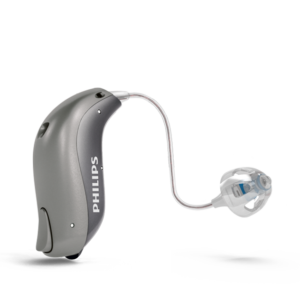
In a Philips RIC/RITE hearing aid, the receiver (also called the speaker) sits in the ear canal and is connected to the hearing aid body by a thin wire. Because the receiver is the part that delivers sound into the ear, choosing the correct receiver is essential for comfort, sound quality, and reliable performance.
What does “Philips 885” mean?
Philips 885 refers to the receiver platform/connection type used on certain Philips RIC/RITE hearing aids. In practice, “885” helps identify which receiver family fits your device. If your hearing aid is designed for 885 receivers, other receiver connection types will typically not fit or function correctly.
How to confirm your Philips receiver compatibility
To avoid ordering the wrong part, confirm the receiver type and key specifications before purchasing:
1) Check your current receiver marking
If you still have your old receiver, look for small printed markings on the wire/connector area or packaging. The receiver family (such as 885) and other details are often listed there.
2) Match the connection type (885)
Philips receivers are not universally interchangeable across all models. Your hearing aid must support the 885 connection/platform for an 885 receiver to fit and work.
3) Choose the correct side (Left/Right)
RIC receivers are side-specific. Make sure you select Left (L) for the left ear and Right (R) for the right ear. The wrong side can cause poor fit and incorrect wire routing.
4) Select the right wire length
Receiver wires come in different lengths so the hearing aid sits correctly behind the ear without pulling. If you’re replacing an existing receiver, choosing the same length is usually the safest option.
5) Select the right power level
Receivers are available in different power/output levels (depending on your hearing loss and fitting). If you’re unsure, match the power level of your current receiver or verify it in your fitting details.
Which Philips hearing aids use RIC/RITE 885 receivers?
This page is intended for Philips RIC/RITE hearing aids that use the 885 receiver system. Because model families and fittings vary, the most reliable approach is to confirm the “885” marking on your current receiver or your documentation before ordering.
Common issues a new Philips receiver can solve
A replacement Philips RIC receiver is often needed if you experience:
No sound or intermittent sound (especially when the wire is moved)
Distorted/weak sound even after changing wax filters and domes
Crackling or dropouts due to internal cable damage
Poor fit if the wire length is incorrect
Tip: Before replacing the receiver, it’s worth checking the wax filter and dome, as blockages are a common cause of reduced sound.
How to choose the right Philips RIC/RITE receiver (885)
If you want the simplest, most accurate replacement, use this checklist:
Confirm your hearing aid uses Philips 885 receivers
Match Left/Right
Match wire length
Match power level
If in doubt, match your current receiver’s printed code or packaging
Buy Philips 885 RIC/RITE receivers at Japebo
When you select the correct Philips RIC (RITE) 885 receiver, you restore the intended fit and sound delivery to your hearing aid. Browse the compatible receiver options on this page and choose the same specifications as your current receiver for the most reliable result.
FAQ: Philips RIC/RITE receivers (885)
Are Philips RIC and RITE receivers the same thing?
In everyday use, RIC (Receiver-in-Canal) and RITE (Receiver-in-the-Ear) are often used interchangeably. What matters most is the receiver platform/connection, such as 885, plus side, length, and power level.
Can I use a non-885 receiver if it looks similar?
Usually not. Even small differences in the connector/platform can make the receiver incompatible. If your hearing aid is built for Philips 885, you should use an 885 receiver.
My sound is weak—do I need a new receiver?
Not always. First check for blockage and replace the wax filter and dome if applicable. If the problem remains (especially intermittent sound), the receiver may need replacement.
How do I know which wire length to choose?
The most reliable method is to match the wire length of your current receiver. If the wire is too short it can pull; too long can feel loose and sit incorrectly behind the ear.
Do I need to replace the receiver on both sides?
Only if both receivers have issues or are worn. Many people replace a single receiver when only one side fails.