

Products
Beltone Behind-the-Ear (BTE) Accessories & Compatibility Guide | Japebo
If you use Beltone Behind-the-Ear (BTE) hearing aids, choosing the right accessories is essential for comfort, sound quality, and reliability. This guide explains what Beltone BTE accessories are, how compatibility typically works for Beltone behind-the-ear models, and what to check before you buy—so you can confidently select the correct parts.
What are Beltone BTE hearing aids (and why accessories matter)
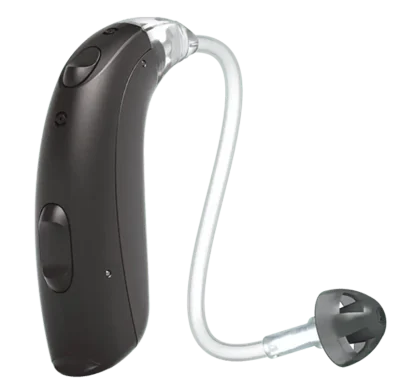
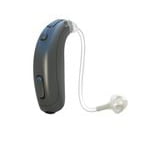
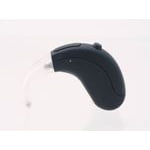
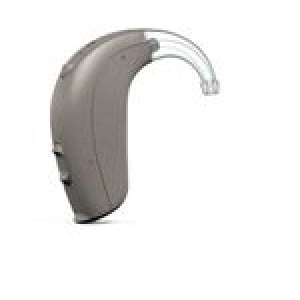
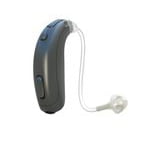
BTE (Behind-the-Ear) hearing aids sit behind the ear and route sound into the ear canal via a thin tube, an earhook, or a receiver-in-ear component (depending on the exact style). Because the sound path and the physical connection to your ear are modular, many wearing parts need periodic replacement—especially those exposed to moisture, earwax, and everyday wear.
With the correct Beltone BTE accessories, you can:
Maintain stable sound quality and volume
Improve comfort and reduce irritation
Reduce whistling/feedback caused by poor fit or blocked sound paths
Lower the risk of dropouts caused by dirt and wax buildup
How Beltone BTE accessory compatibility works
Compatibility is rarely based on “BTE” alone. For Beltone behind-the-ear instruments, accessories usually depend on the exact coupling system your device uses (for example: tube + earhook, thin-tube system, or a receiver-in-ear style), plus the connection type and sometimes the size (left/right, length, power level).
Before choosing an accessory, check one (or more) of the following:
Your hearing aid model name (often printed in your documentation or shown in the Beltone app)
The current part you’re replacing (part number, shape, or connector)
Your fitting style (thin tube vs. standard tube, dome vs. custom earmold)
Left/right markings and any colour indicators on the part
If you’re unsure, matching the replacement to the part currently on your hearing aid is usually the fastest and safest approach.
Common accessory types used with Beltone BTE instruments
Domes (ear tips)
Many Beltone BTE fittings use domes (soft silicone tips) rather than custom earmolds. Domes affect both comfort and acoustics. A dome that’s too small can slip and cause feedback; too large can feel blocked or sore.
Tubes and earhooks
If your Beltone BTE uses a tube-based setup, the tubing and earhook can harden, discolor, or become less secure over time. Replacing tubes can help restore clear sound and a stable fit. The exact tube/earhook must match the system used by your Beltone device.
Wax protection (filters/guards)
Wax protection prevents earwax and debris from entering the sound outlet/receiver. If voices sound dull or volume drops suddenly, a clogged wax filter is a common cause. Beltone compatibility depends on the specific wax protection system installed.
Cleaning and maintenance items
Daily maintenance helps prevent performance problems. Typical essentials include cleaning brushes, drying solutions, and tools suited for BTE sound outlets and tube systems.
How to choose the right Beltone BTE accessory
Use these steps to reduce the chance of ordering the wrong part:
Identify your Beltone model (or confirm the current part you want to replace).
Confirm the fitting style: thin tube + dome, standard tube + earmold, or receiver-based.
Match the connector by comparing shape and attachment method (a visual match is often decisive).
Select the correct size where applicable (dome size, tube length, left/right).
Replace like-for-like first. If you want to change dome type or size, do it gradually and pay attention to comfort and feedback.
Troubleshooting: common Beltone BTE issues and easy fixes
Sound is weak or muffled
Replace the wax protection if your model uses it
Check for moisture or blockage in tubes and replace if hardened or discoloured
Clean the sound outlet carefully with the correct tool
Whistling/feedback
Try a better seal: check dome size or whether the dome is seated correctly
Inspect for cracks or looseness in tubing/earhook
Clean wax buildup to prevent sound leakage and re-amplification
Poor comfort or domes falling out
Adjust dome size/type (open vs. more closed styles can change retention)
Check that the tube/receiver is the correct length and sits naturally
Buy Beltone BTE accessories online
When you know what fits, replacing wearing parts regularly is one of the simplest ways to keep your Beltone BTE hearing aids working at their best. Browse our selection of Beltone BTE accessories to find compatible domes, maintenance products, and other essential replacements.
FAQ: Beltone BTE accessories
How do I know which Beltone BTE accessory fits my hearing aid?
The safest method is to match your exact hearing aid model and the part you’re replacing. If possible, compare the connector shape and any markings on your existing accessory (size, left/right, or system type).
How often should I replace domes or tubes?
It depends on wear and hygiene, but domes are typically replaced more frequently than other parts, while tubing is replaced when it hardens, discolors, or no longer fits securely. If sound quality drops or comfort changes, it’s often time to replace the wearing part.
Can I change dome type to improve sound or comfort?
Yes, but changes in dome type can affect both comfort and sound (including feedback and perceived loudness). If you’re uncertain, start by replacing like-for-like, then adjust size/type carefully.
Are all Beltone BTE accessories interchangeable?
No. “BTE” describes the hearing aid style, not the connector system. Beltone BTE accessories can differ by coupling type, connection method, and sizing. Always confirm compatibility before ordering.