Beltone Imagine BTE 77

Beltone Imagine BTE 77 accessories compatibility guide | Japebo

If you’re looking for Beltone Imagine BTE 77 accessories, the most important step is ensuring compatibility. Even small differences in coupling, speaker/receiver type, or wax protection can determine whether an accessory fits, feels comfortable, and works reliably. This guide explains how to identify the correct accessory type for your Beltone Imagine BTE 77, how to choose the right option, and what to do if something doesn’t fit or performance drops.

Which accessories are typically used with Beltone Imagine BTE 77?
BTE (Behind-The-Ear) hearing aids like the Beltone Imagine BTE 77 commonly use accessories connected to either:

An earmold + tubing (classic BTE setup), or
A thin tube / acoustic tube with a dome (often called slim-tube coupling).

Depending on how your hearing aid is fitted, you may need one or more of the following accessory types:

Domes (if you use a thin tube and domes instead of an earmold)
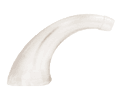
Tubes / acoustic tubing (thin tubes or standard tubing for earmolds)
Wax protection (wax filters/guards, if your coupling uses them)
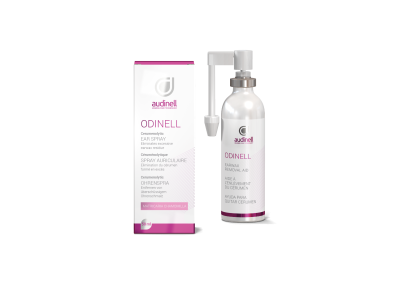
Cleaning tools (brushes, loops, drying solutions)
Batteries (if your model uses disposable batteries)

If you’re unsure which setup you have, check whether you have a custom earmold (hard/soft mold shaped to your ear) or a small silicone tip (dome) on the end of a thin tube.

How to confirm compatibility for Beltone Imagine BTE 77
To choose the correct Beltone Imagine BTE 77 accessory, identify these three details:

Coupling type: earmold+tube or thin-tube+dome.
Connection type at the hearing aid: the tube interface and how it locks onto the hook/adapter.
Ear-side interface: dome size/type (open, tulip, closed, power) or earmold tubing size.

The fastest way to avoid mistakes is to match the accessory you’re replacing: compare shape, attachment mechanism, and any markings (size, type, color code) on the existing part. If you have the packaging from your last purchase, use its product name/number.

Domes for Beltone Imagine BTE 77: types and how to choose
If your Beltone Imagine BTE 77 uses domes, the “right” dome depends on comfort, retention, and how much sound should pass naturally through the ear canal.

Open domes: more natural sound and ventilation; often used for mild-to-moderate fittings.
Closed domes: more bass and less leakage; can help if you experience feedback or lack of low-frequency amplification.
Tulip domes: a balance between open and closed; often chosen for comfort with improved seal vs fully open.
Power domes: strongest seal for higher gain needs; can improve stability and reduce feedback.

Size matters. If a dome feels loose or falls off, go up a size. If it causes pressure or soreness, go down a size or switch to a more open style. If you get whistling/feedback, you may need a more closed option or a better-fitting size.

Tubes and earmold tubing for Beltone Imagine BTE 77
If you use an earmold, you’ll typically replace the tubing periodically as it hardens, shrinks, or becomes discolored. If you use a thin-tube setup, the thin tube may need replacement if it kinks, cracks, or becomes blocked by moisture/debris.
When selecting tubes, pay attention to:

Length (left/right can differ)
Connection type to the hearing aid and to the dome/earmold
Diameter (standard tubing sizes vary)

If sound becomes weak or intermittent, tubing is one of the first things to check—especially after exposure to humidity, sweat, or rain.

Wax protection and cleaning: preventing sound dropouts
Earwax and debris are among the most common causes of reduced volume or muffled sound. Depending on your configuration, your Beltone Imagine BTE 77 may use a wax guard near the ear end, or wax may primarily collect in the dome/tube/earmold sound outlet.
Good maintenance habits:

Replace domes regularly and inspect for blockage.
Check tube openings for moisture or wax buildup.
Clean gently with the right tools (avoid pushing wax deeper).
Use drying solutions if moisture is a recurring issue.

Batteries for Beltone Imagine BTE 77 (if applicable)
If your Beltone Imagine BTE 77 uses disposable batteries, make sure you choose the correct battery size and store them properly. If performance drops suddenly, try a fresh battery and confirm the battery door closes fully and cleanly.

Common issues (and what to do)

Dome slips off or stays in the ear: check you have the correct dome type for your tube, and consider a different size for a more secure fit.
Whistling/feedback: try a better seal (different dome type/size), check for cracks in tubing, and ensure correct insertion.
Sound is weak/muffled: inspect dome and tube for blockage; clean/replace; check for moisture.
Discomfort: try a smaller dome or a more open style; persistent pain should be assessed by a hearing care professional.

Buy Beltone Imagine BTE 77 accessories with confidence
Once you’ve confirmed whether you use domes or an earmold+tubing setup, choosing the right Beltone Imagine BTE 77 accessory becomes straightforward: match the connection type, then fine-tune comfort and acoustics by selecting the appropriate dome style/size or tubing specification. When in doubt, replacing “like for like” (same type and size as your current part) is the safest option.

FAQ: Beltone Imagine BTE 77 accessories
How do I know if my Beltone Imagine BTE 77 uses domes?
If the part that goes into your ear is a small, removable silicone tip on the end of a thin tube, you’re using domes. If you have a custom-shaped earmold, you’re using earmold tubing instead.

Can I use any Beltone accessories with the Imagine BTE 77?
Not necessarily. Compatibility depends on the coupling/tube system and connection type. Choose accessories specified for your exact configuration rather than only the brand name.

How often should I replace domes or tubes?
Many users replace domes regularly for hygiene and performance and replace tubes when they stiffen, discolor, or affect sound. Your replacement interval depends on wear, wax, and moisture exposure.

What should I do if I’m between two dome sizes?
If one size feels loose, choose the larger. If the larger causes pressure, choose the smaller or a more open dome style. A secure but comfortable fit reduces feedback and improves sound consistency.