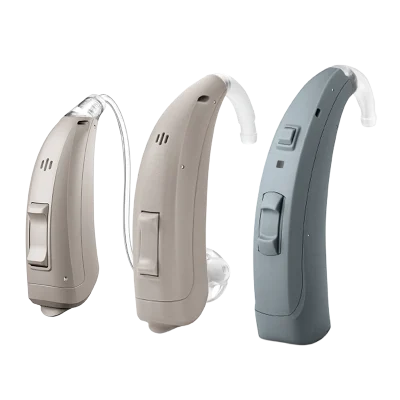
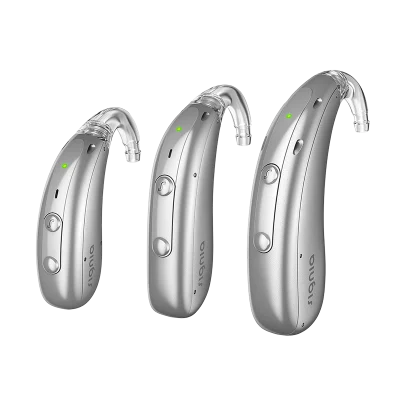
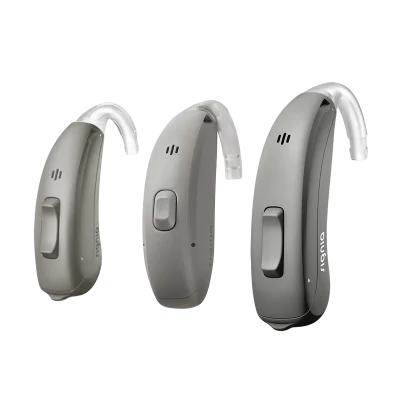
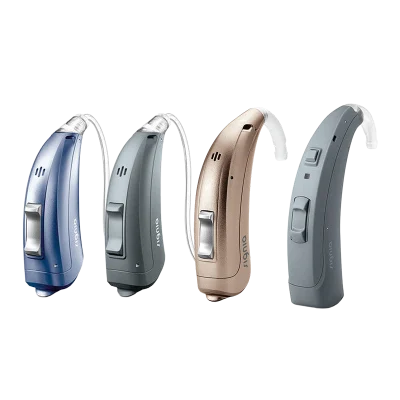
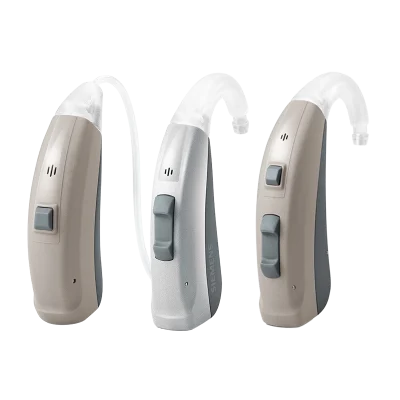
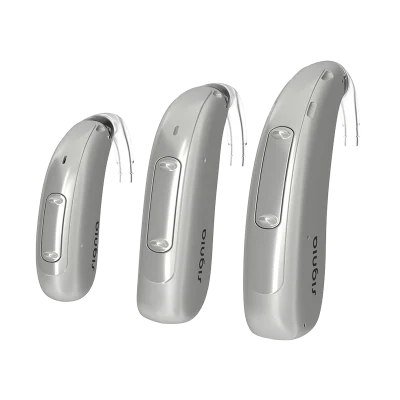
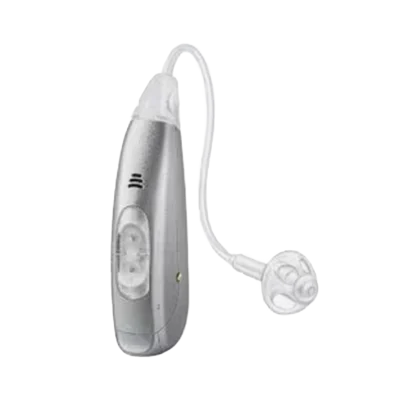
Behind The Ear Instrument (BTE)

Behind The Ear (BTE) Hearing Aid Accessories & Compatibility Guide | Japebo

If you use a Behind The Ear (BTE) hearing aid, choosing the right accessories is mainly about matching the correct sound delivery system (earhook + tube + earmould) and the correct maintenance parts (filters, cleaning tools, batteries). This guide explains what BTE accessories are, what they do, and how to identify what fits your specific BTE instrument so you can buy with confidence.

What is a Behind The Ear (BTE) hearing aid?
A BTE hearing aid sits behind the ear and sends sound into the ear through either:

A classic tube setup (earhook + thin tube) that connects to an earmould or a soft dome-like tip, or
A power tube setup used with earmoulds for stronger amplification needs.

This category covers common BTE replacement and care accessories that wear out over time or help keep sound clear and comfortable.

Common BTE accessories (and what they’re for)

Earhooks (hooks / elbows)
The earhook is the small curved plastic part on top of many BTE instruments. It connects the hearing aid to the tube. Earhooks can vary by:

Brand/model fitting (hook shape and lock mechanism)
Sound bore size (standard vs power)

If the hook feels loose, has discoloration, or you notice more feedback/whistling, replacing it can help.

Tubes (thin tubes / standard tubes)
BTE tubes carry sound from the hearing aid to the ear. Tubes typically need replacement when they become stiff, yellow, cracked, or blocked with moisture or earwax. The most important choices are:

Tube type (thin tube vs standard tube)
Tube size/length (often marked with a number)
Left vs right (many thin tubes are side-specific)

Earmoulds and tips
Many BTE users wear an earmould (custom) rather than a universal dome. If you use moulds, your typical replacements are the tubing, hook, and cleaning/maintenance accessories. If you use a soft tip, you’ll need to match the correct style and size so it seals comfortably without causing pressure.

Wax protection (filters/guards) and cleaning
Even with a BTE, earwax and moisture can reduce sound quality, especially in the tube/mould pathway. Common maintenance accessories include:

Cleaning wire/loop for tubes and vents
Drying solutions to reduce moisture issues
Brushes and cloths to keep microphone ports clear

Batteries
Many classic BTE instruments use disposable zinc-air batteries (commonly size 13 or 675, but it depends on the model). Always match the battery size printed on your current pack, your hearing aid battery door, or your manual. If you have a rechargeable BTE, you may instead need charging-related accessories.

How to choose the correct BTE accessories
Use these steps to avoid ordering the wrong part:

Identify your hearing aid model (name/number inside the battery door, on the case, or in your paperwork).
Check whether you have a hook + tube setup. If you see a small curved plastic connector on top of the device, you likely need a specific earhook plus compatible tubing.
Look for markings on the tube (length/side indicators are common on thin tubes).
Match bore/power level (standard vs power tubing/hook) if you use an earmould or higher amplification.
When in doubt, compare visually: shape of hook connection, tube end style, and any locking tabs must match.

If you’re unsure, it’s usually safest to start by replacing like-for-like (same tube type and same hook style) and only change style if advised by your hearing care professional.

Common BTE problems (and which accessory can fix them)

Sound is weaker or muffled

Replace the tube if it’s stiff, yellow, or blocked
Clean the earmould sound bore and vent
Check for moisture and use a drying solution

Whistling / feedback

Check that the tube and earmould are seated properly
Replace a loose or worn earhook
Inspect the mould for cracks or poor fit (may need professional adjustment)

Tube keeps slipping, feels uncomfortable, or looks misshapen

Choose the correct tube length and correct side (left/right)
Replace the tube if it has hardened (common after weeks/months of use)

Battery life seems short

Verify the correct battery size
Store batteries properly and let zinc-air batteries “air up” briefly after removing the tab
If problems continue, your hearing aid may need service (drain can also be device-related)

Buy BTE accessories online
On Japebo you’ll find replacement and care accessories for Behind The Ear (BTE) hearing aids, including tubing, hooks, cleaning products, and batteries. Choose parts that match your current setup to ensure the best comfort, stable fit, and clear sound.

FAQ: Behind The Ear (BTE) accessories

How often should I replace BTE tubes?
It depends on wear, skin oils, and climate, but many users replace tubing when it becomes stiff, discolored, cracked, or difficult to clean. If sound quality drops or the tube no longer fits comfortably, it’s usually time.

Do all BTE hearing aids use the same earhook?
No. Earhooks are model-specific in shape and connection. Even if they look similar, locking mechanisms and bore sizes can differ.

Can I use domes on a BTE hearing aid?
Some BTE fittings use a soft tip, but many BTE users have an earmould. What you can use depends on your hearing aid’s coupling and your hearing needs. If you currently use an earmould, switching to a dome-style setup usually requires professional guidance.

What battery size does a BTE hearing aid take?
Common sizes are 13 and 675, but it varies. Check the battery size you’re currently using or the markings on your hearing aid/manual to be sure.

How do I know if I have BTE or RIC?
A BTE usually sends sound through a tube to an earmould. A RIC (receiver-in-canal) has a thin wire and a receiver sitting in the ear canal. If you see a tube and earmould, you’re almost certainly using BTE.