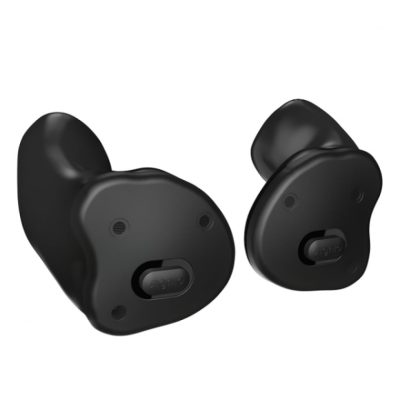
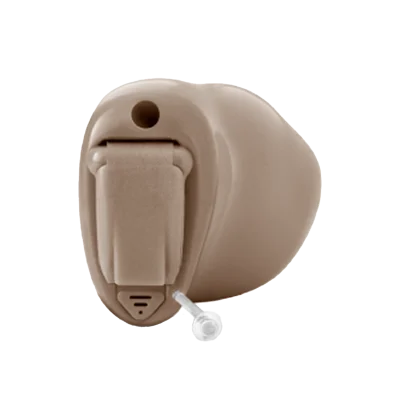
In The Ear Instrument (ITE)

Signia In-The-Ear (ITE) Hearing Aid Accessories & Compatibility Guide

If you wear a Signia In-The-Ear (ITE) hearing aid, choosing the right accessories is mainly about one thing: getting the exact part that matches your ITE’s receiver and earmould design. This guide explains how Signia ITE accessories work, what typically fits, and how to identify the correct replacement so you can order with confidence.

What is a Signia In-The-Ear (ITE) hearing aid?
ITE means the hearing aid sits in the outer ear (rather than behind the ear). Many ITE styles are custom-made and therefore use accessories that can be more model-specific than standard behind-the-ear solutions. In practice, the most common consumables for Signia ITE users are:

Wax guards / wax filters (protect the sound outlet from earwax)
Cleaning tools (to keep microphone openings and vents clear)
Batteries (for non-rechargeable ITE models)
Domes (only for certain ITE/RIC-style configurations—many custom ITEs use a mould and do not use domes)

How compatibility works for Signia ITE accessories
With Signia ITE devices, compatibility is usually determined by the sound outlet / wax protection system and the way the ear-piece is built (custom shell vs. receiver/mould configuration). Because ITE designs vary, the safest way to match parts is to check:

Your current wax guard type (shape, color, and how it mounts)
Your hearing aid model name (from paperwork, app, or original packaging)
Whether your device uses a custom mould or a dome

If you are replacing an existing part, the best indicator is usually simple: order the same system you already use. If you are unsure, compare the wax guard tool and the guards themselves—different systems are not interchangeable.

Wax guards for Signia ITE: what they do and why the exact type matters
Wax guards (also called wax filters) are the most frequently replaced accessory for many ITE wearers. They sit at the sound outlet and help prevent blocked sound, weak volume, or intermittent audio caused by wax or moisture.
Why correct matching matters:

Fit and seal: the wrong wax guard may not lock in properly and can fall out.
Sound performance: the wrong type can partially block the outlet or sit incorrectly.
Hygiene and reliability: a proper fit helps protect internal components from wax build-up.

If your Signia ITE suddenly sounds quieter, cuts out, or whistles more than usual, replacing the wax guard is often the first and fastest fix.

Do Signia ITE hearing aids use domes?
Many custom ITE devices do not use domes because the shell itself (or a custom mould) forms the ear-coupling. However, some Signia configurations that users refer to as “in-ear” (especially receiver-based fittings) may use domes. If you currently remove a soft silicone tip from the end of a speaker/receiver, you likely use domes; if not, your ITE probably uses a custom shell/mould solution.
If you do use domes, choosing correctly depends on:

Style: open, closed, or power (based on your fitting and feedback control)
Size: comfort and retention in the ear
Compatibility with your receiver (dome systems can be brand- and platform-specific)

How to choose the right Signia ITE accessory (simple checklist)
Use this quick process before you buy:

Identify the part you’re replacing (wax guard, cleaning tool, battery, or dome).
Match the system by comparing your current item (especially for wax guards).
Confirm your hearing aid model (from the Signia app, paperwork, or packaging if available).
When in doubt, prioritize exact match over “looks similar”—small differences can mean incompatibility.

Common Signia ITE issues and the accessory that usually fixes it

Sound is weak or muffled: replace the wax guard and clean the sound outlet.
No sound / cuts in and out: check for blockage, replace wax guard, and verify power (battery/recharge).
Whistling (feedback): check for poor fit, blockage, or a missing wax guard; ensure the outlet is clean.
Discomfort or poor retention: if your setup uses domes, try a different dome size/type; otherwise consult your hearing care professional for shell/mould adjustments.

Where to buy Signia ITE accessories
To avoid ordering the wrong part, choose accessories that are specifically listed for Signia and, where possible, for your exact ITE setup. If you already have a wax guard system that works, reordering the same type is usually the most reliable option.

FAQ: Signia In-The-Ear (ITE) accessories
How often should I replace wax guards on a Signia ITE?
It depends on wax production and daily wear, but many users replace wax guards every few weeks or whenever sound becomes weak or blocked. If you notice a sudden drop in volume, replacing the wax guard is a good first step.

Are Signia wax guards universal across all ITE models?
No. Signia ITE devices can use different wax protection systems. Always match the wax guard type you currently use or confirm compatibility with your exact model.

My Signia ITE has no dome—what should I replace regularly?
In many custom ITE fittings, the key consumable is the wax guard, along with routine cleaning of vents and microphone openings. If your device is battery-powered, batteries are also a regular replacement item.

What’s the fastest way to confirm compatibility?
The most reliable method is to compare the existing part (especially wax guards) to the replacement. If you can identify your Signia model name as well, it helps confirm you’re selecting the right system.

Can the wrong accessory damage my Signia ITE?
Incorrect wax guards or poorly fitting parts can lead to blockage, poor sound, or parts falling out. While it may not “damage” the device immediately, it can reduce performance and protection—so matching the correct system is important.