Products
Beltone RIE Instruments (Receivers) – Compatibility & Buying Guide
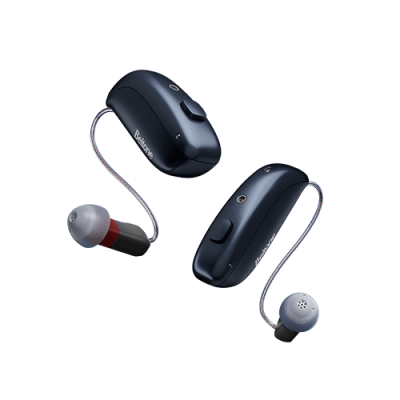
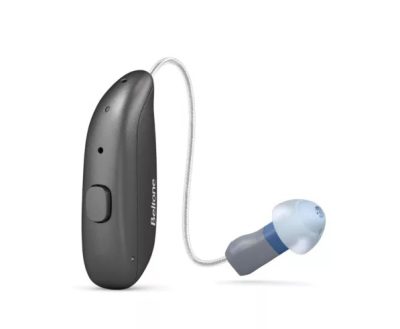
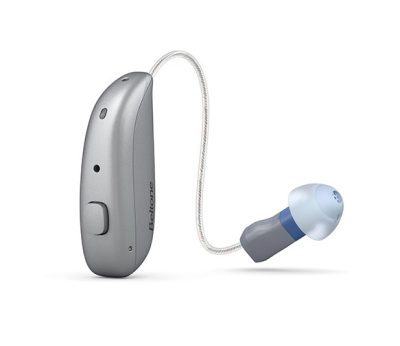
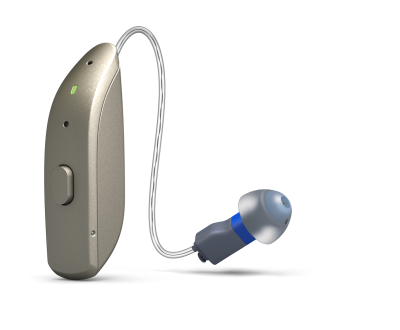
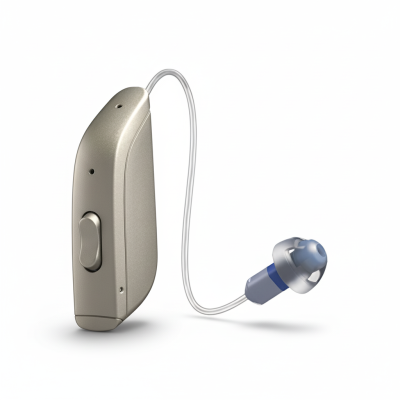
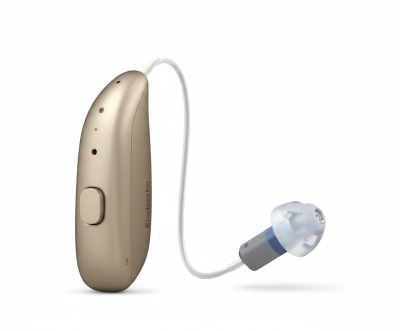
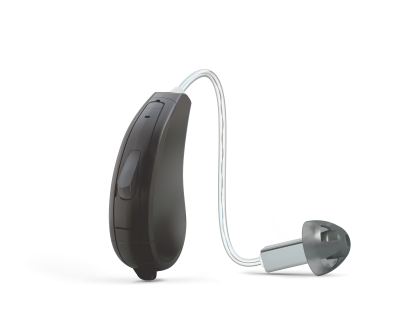
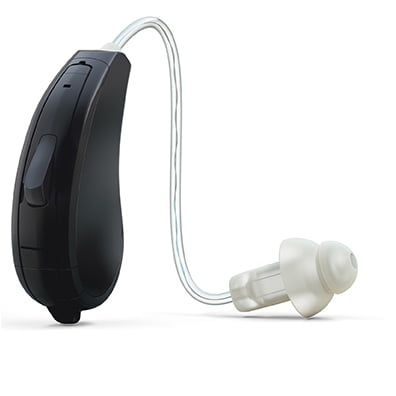
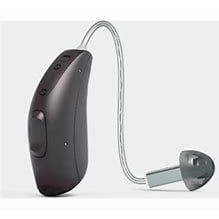
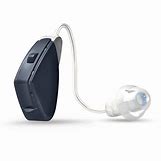
If you’re looking for a Beltone RIE instrument, you’re in the right place. A Beltone RIE instrument (also called a receiver) is the speaker part that sits in the ear canal and connects to the hearing aid via a thin wire. Choosing the correct Beltone receiver matters—compatibility depends on your hearing aid family, the receiver connection type, and the right side (left/right) and power level.
This guide helps you understand what a Beltone RIE receiver is, how to confirm which one you need, and how to avoid the most common ordering mistakes.
What is a Beltone RIE instrument (receiver)?
In an RIE (Receiver-in-Ear) hearing aid, the microphone and electronics sit behind the ear, while the receiver (speaker) sits in the ear. The receiver connects to the hearing aid body with a wire and usually attaches to a dome or earmold.
Beltone RIE receivers are replaceable wear parts. Over time, moisture, earwax, and cable stress can cause reduced sound, crackling, or complete failure—at which point replacing the receiver often restores normal performance.
Which Beltone hearing aids use RIE receivers?
Beltone RIE instruments are used with Beltone RIE/RIC-style hearing aids (receiver-in-ear / receiver-in-canal). Not every Beltone hearing aid uses a receiver wire (for example, some BTE models use a standard tube and earhook), so it’s important to confirm you have an RIE/RIC model before ordering.
If you’re unsure, check:
Your fitting paperwork (often lists “RIE/RIC” and receiver power)
Markings on the receiver cable (often include side/power identifiers)
The connection at the hearing aid (RIE has a detachable wire/receiver plug-in connection)
Beltone RIE receiver compatibility: what you must match
To choose the correct Beltone RIE instrument, you typically need to match four things:
1) Hearing aid family / receiver connector type
Beltone has used different receiver connection systems across product generations. Even if two receivers look similar, the connector may differ and won’t fit (or won’t work reliably). The safest approach is to match the receiver type stated for your specific Beltone model or to match the exact receiver you are replacing.
2) Left vs right side
Receivers are side-specific. Ordering the wrong side is one of the most common mistakes. Look for a clear L (left) or R (right) marking on the cable/receiver or packaging from your current receiver.
3) Wire length
Receiver wires come in different lengths to ensure comfort and proper placement behind the ear. The length is often shown as a number (for example 0, 1, 2, 3, etc., depending on the system). If your current receiver fits well, choose the same length.
4) Power level (output)
Beltone receivers are available in different power levels (e.g., standard, medium, power). Your audiologist typically selects this based on your hearing loss and feedback management. If you choose too weak a receiver, you may not get enough volume; too strong may increase feedback or reduce comfort. If you’re replacing a receiver, it’s usually best to match the same power level you had before.
How to identify the exact Beltone RIE receiver you need
Use this quick checklist:
Remove the dome and inspect the receiver and cable for tiny markings (side, length, power).
Compare the connector shape to your old receiver (take a clear photo for reference before ordering).
Match what you already have if it worked well: same side, length, and power.
When in doubt, use your Beltone hearing aid model name/number from your paperwork and match the receiver type specified for that model.
Common Beltone RIE receiver problems (and what to do)
No sound or very weak sound
First, rule out simple causes: battery/charge level, wax blockage in the dome/filter, or a muted program. If only one side is affected and cleaning doesn’t help, a failed receiver is a common cause.
Crackling, dropouts, or sound that cuts in/out
This can indicate moisture damage, a damaged cable, or a loose connection. If reseating the receiver connection and drying the hearing aid doesn’t solve it, receiver replacement is often the fix.
Whistling (feedback)
Feedback is usually caused by poor fit, the wrong dome size, wax blockage, or changes in your ear canal. A different dome or proper cleaning often helps. Switching to a higher-power receiver without need can increase feedback—so keep the same power level unless your hearing care professional advises otherwise.
Choosing domes and wax protection for your Beltone RIE receiver
The receiver typically works together with two other wear parts:
Domes (open, closed, tulip, power): affect comfort, sound balance, and feedback
Wax filters/guards: protect the receiver opening from earwax and moisture
If you’re replacing a receiver due to wax or moisture damage, it’s a good idea to also check that you’re using the correct wax protection and changing it regularly.
Where to buy the correct Beltone RIE instrument
Once you’ve confirmed the right receiver type, side, wire length, and power level, you can order your Beltone RIE receiver here. If you’re unsure between two options, match the markings on your current receiver or choose the same specifications as your previous one to avoid compatibility issues.
FAQ: Beltone RIE receivers
Is “RIE instrument” the same as a receiver?
Yes. In this context, “RIE instrument” commonly refers to the receiver/speaker unit on an RIE/RIC hearing aid.
Can I use a receiver from another brand with Beltone?
Usually not. Receiver connectors and programming requirements differ by brand and product family. For best fit and function, use a receiver specified for Beltone and your exact hearing aid family.
Do I need to replace the receiver or just the dome/wax filter?
If sound is weak, start by replacing the wax filter and dome. If the problem persists (especially on one side only), the receiver itself may be damaged and need replacement.
Will changing receiver power level improve hearing?
Not necessarily. Receiver power must match your fitting prescription and feedback limits. If your hearing has changed, consult your hearing care professional before changing power level.
How long does a Beltone receiver last?
It varies with use, moisture exposure, and wax buildup. With good cleaning and regular wax filter changes, receivers often last a long time, but they are still considered a wear part that may eventually need replacement.