Beltone True RIE

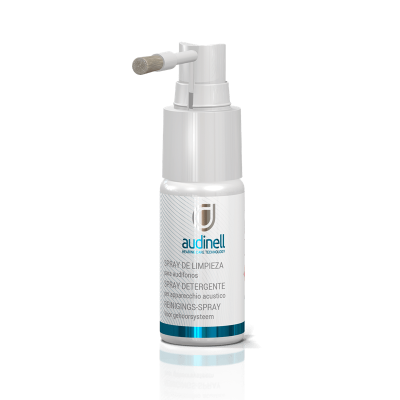
NELL1 SNI030-59

Cleaning Spray 30 ml

6.90 £

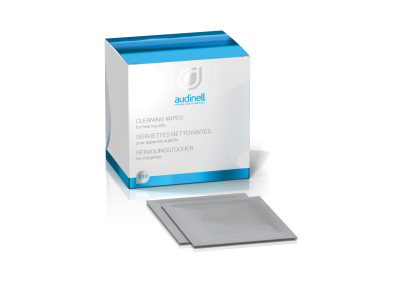
NELL1 SVI30-59

Cleaning Wipes

7.90 £

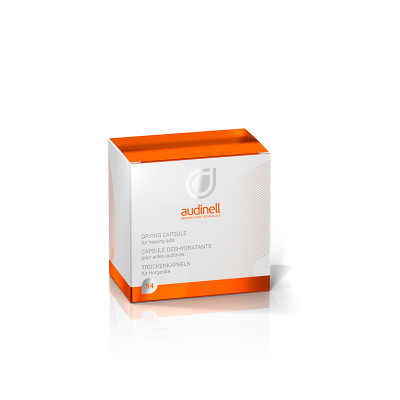
NELL1 4PA-59

Drying capsules

5.90 £

NELL1 ODN-59

Odinell Ear Spray

11.90 £

NELL1 GL-59

SkinCare Gel

5.60 £

Beltone True RIE Receivers & Parts | Compatibility Guide

If you’re looking for Beltone True RIE replacement parts, you’re usually trying to solve one of three issues: weak sound, intermittent audio, or physical damage to the wire/receiver. This guide helps you confirm you’re on the right page, understand what a True RIE receiver is, and choose the correct replacement based on side (left/right), wire length, and receiver type/power level—so you can order confidently.

What is a Beltone True RIE receiver?
On Beltone True RIE hearing aids, the receiver (speaker) sits in your ear canal while the hearing aid body sits behind the ear. They are connected by a thin wire. This design can provide clearer sound and a more discreet fit, but it also means the receiver/wire is a common wear part that sometimes needs replacement.

Which Beltone hearing aids use True RIE receivers?
This category is intended for hearing aids that use the Beltone True RIE receiver connection system. If your Beltone device is a RIE/RIC style and has a removable speaker wire that clicks into the hearing aid, there’s a good chance it uses this type.
Important: Beltone has multiple receiver systems across different product generations. If your current receiver does not say “True RIE” (or your connector looks different), you may need another Beltone receiver type.

How to choose the correct Beltone True RIE receiver

1) Select the correct side: Left (L) or Right (R)
Receivers are side-specific. Look for an L or R marking on the receiver or near the connector end of the wire. Ordering the wrong side will result in a poor fit and incorrect cable routing behind your ear.

2) Match the wire length
Wire length affects comfort and microphone positioning. Your current wire length is often printed as a small number on the wire/receiver (depending on version). If you’re between sizes, the safest approach is usually to match what you already wear—unless your audiologist has recommended changing length for fit reasons.

3) Choose the right receiver power level (if applicable)
Some True RIE receivers come in different power outputs (for example standard vs higher power options). The correct choice depends on your hearing loss and the original setup. When replacing, it’s best to match the power level printed on your existing receiver to maintain the same sound and prevent feedback issues.

4) Check the ear-piece style (domes or custom mold)
Your receiver will be used with either a dome (silicone tip) or a custom earmold. While the dome/mold is typically a separate accessory, your receiver must physically match your current setup. If you’re unsure, start by identifying what’s currently on your receiver (open dome, closed dome, power dome, or mold) and replace like-for-like unless you’re intentionally changing fit.

Signs your True RIE receiver needs replacement

No sound even after changing the battery/charging and cleaning
Sound cuts in and out when moving your head or touching the wire
Distorted or weak audio compared with the other ear
Whistling/feedback that wasn’t there before (after cleaning and correct fit)
Visible damage to the wire, connector, or speaker housing

Troubleshooting before you replace
Many “dead receiver” symptoms are caused by blockages or maintenance items. Before ordering a new receiver, try:

Replace the wax filter (a clogged filter is a very common cause of weak/no sound).
Change the dome if it’s torn, hardened, or loose.
Clean the receiver opening gently (avoid pushing debris into the speaker).
Swap sides (if possible) only if you have an identical spare and know it’s compatible—this can help confirm whether the issue follows the receiver.

How to identify your current Beltone True RIE receiver
To make sure you order the correct part, check these details on your existing receiver:

Markings: “L” or “R”, and a number for length (varies by version)
Connector shape: how the wire attaches to the hearing aid (must match)
Power label: any printed code indicating output/power

If you can’t find the markings, compare the receiver visually to your hearing aid’s connection point, or use the model name from your hearing aid (often in your Beltone app or paperwork) to confirm the correct True RIE system.

Buy Beltone True RIE parts online
Once you know your side, length, and (if relevant) power level, you can select the matching Beltone True RIE receiver here. Replacing the receiver is one of the fastest ways to restore sound when cleaning and filter changes aren’t enough.

FAQ: Beltone True RIE receivers
Are Beltone True RIE receivers universal across all Beltone hearing aids?
No. Beltone uses different receiver connection systems across product families and generations. Always match the receiver type to your hearing aid model and the connector you currently have.

Do I need to replace the receiver when I only have weak sound?
Not always. Weak sound is very often caused by a blocked wax filter or an old dome. Try replacing the wax filter and dome first. If the problem remains (especially if sound cuts in/out), a new receiver is a good next step.

What happens if I choose the wrong wire length?
A wire that’s too short can pull uncomfortably and sit incorrectly behind the ear. A wire that’s too long can feel loose and may not route neatly. Matching your current length is usually the best choice.

Can I use the left receiver on the right ear (or vice versa)?
No. True RIE receivers are side-specific (L/R) for correct fit and cable routing.

Is replacing a True RIE receiver difficult?
It’s typically straightforward if you have the correct part. The receiver wire connects to the hearing aid body, and the dome or mold attaches to the receiver end. If you’re unsure, get help from your hearing care professional to avoid damaging the connector.