Widex EVOKE BTE 13 D accessories & compatibility guide | Japebo
Looking for the right Widex EVOKE BTE 13 D accessories and unsure what actually fits your hearing aid? This guide is made for Widex EVOKE BTE 13 D users who want to choose compatible parts the first time—whether you need new ear tips (domes), filters, retention parts, or other everyday consumables. Below you’ll learn what these accessories do, how compatibility typically works for Widex EVOKE BTE 13 D, and what to check before you buy.
What is Widex EVOKE BTE 13 D?
Widex EVOKE BTE 13 D is a behind-the-ear hearing aid model that uses a size 13 battery and is commonly paired with a tubing-and-earmould setup or a thin-tube/receiver solution depending on configuration. Because Widex fittings can vary (earmould vs. dome-based fitting, different tube sizes, and different receiver styles), choosing accessories starts with identifying what’s on your device today.
How accessory compatibility works for Widex EVOKE BTE 13 D
Accessory fit is determined by the sound delivery system used with your Widex EVOKE BTE 13 D—typically one of the following:
Earmould + tubing (custom mould connected to a tube)
Thin-tube + dome (small silicone tip on the end of a thin tube)
Receiver-based solutions (where the speaker sits in the ear; some widely used Widex families use receivers with specific coupling parts)
Important: even when the hearing aid model name is the same, accessory compatibility can differ based on the fitting (tube/receiver type) and the size used. The safest approach is to match the accessory name/size printed on your current parts or compare visually before ordering.
Widex EVOKE BTE 13 D domes (ear tips): what they are and how to choose
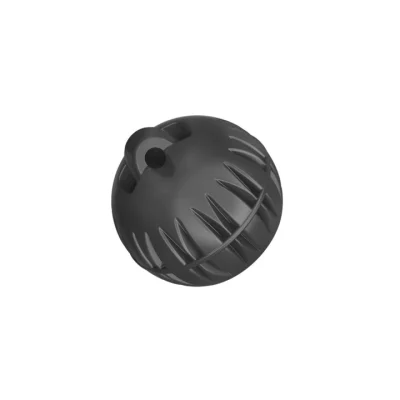
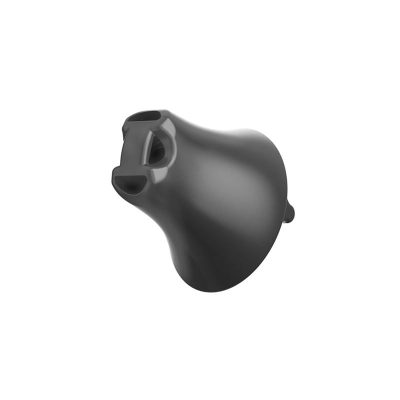
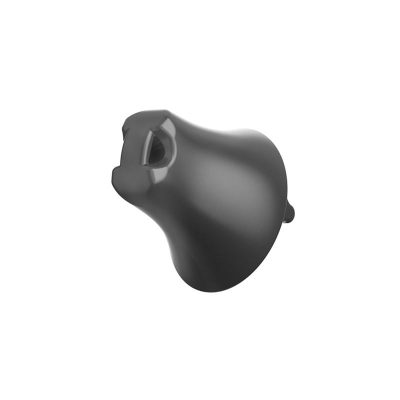
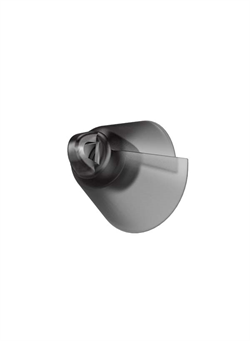
If your Widex EVOKE BTE 13 D is fitted with a thin tube or a dome-based setup, domes are the soft silicone tips that sit in the ear canal. They influence comfort, retention, and sound (especially bass and feedback control).
Common dome styles
Open domes: more ventilation, often used for mild-to-moderate losses and a more “open” feel.
Closed domes: more sealing than open, often improves bass and reduces leakage.
Power / double domes: strongest seal, often used when more amplification is needed.
How to pick the right dome for your Widex EVOKE BTE 13 D
Match the connection type: domes must fit your specific thin tube/receiver tip.
Match the size: dome diameter (e.g., small/medium/large in Widex sizing) affects comfort and stability.
Don’t change type without a reason: moving from open to closed/power can change sound and occlusion; if you’re unsure, replace like-for-like.
Widex EVOKE BTE 13 D wax protection: what to look for
Many Widex hearing aid fittings use wax guards / wax filters to protect the sound outlet from earwax and moisture. If your setup includes a receiver or a dome-based sound outlet with a filter, replacing filters regularly helps prevent weak sound and intermittent audio.
To choose the correct wax protection for Widex EVOKE BTE 13 D, check:
Where the filter sits (in the receiver tip, in a custom mould, or at the sound outlet)
The filter style (Widex uses specific systems; match what you already have)
Symptoms: muffled sound, reduced volume, or sudden dropouts often indicate a clogged filter
Tubes, hooks, and earmould parts (for BTE fittings)
Because Widex EVOKE BTE 13 D is a BTE model, many users have an earhook and tubing connected to an earmould. These parts can harden or discolor over time, and a poor tube fit can cause feedback or reduced sound quality.
When selecting tubing or hook-related parts, the key is to match:
Tube type and thickness (standard vs. thin tube)
Length/size (for thin-tube systems)
Connection shape at the hearing aid and at the mould/dome end
Common Widex EVOKE BTE 13 D issues and the accessory that usually fixes it
Muffled or weak sound: replace wax filter / clean sound outlet; check tubing for blockage.
Whistling (feedback): dome not sealing/too small, tube not seated, or hardened tubing; consider replacing domes/tube like-for-like.
It keeps falling out: try the same dome type in a larger size or add a retention/anchor if your fitting supports it.
Intermittent sound: moisture/wax buildup; replace wax filters and inspect connections.
Buy Widex EVOKE BTE 13 D accessories with confidence
To avoid ordering the wrong part for your Widex EVOKE BTE 13 D, start by identifying what you’re currently using: the dome style/size (if applicable), the wax filter type, and whether your fitting is tubing + mould or a dome-based solution. If you replace like-for-like, compatibility is usually straightforward. When you’re ready, choose your Widex EVOKE BTE 13 D accessories from Japebo to keep your hearing aid performing at its best.
FAQ: Widex EVOKE BTE 13 D accessories
Are all Widex domes compatible with Widex EVOKE BTE 13 D?
No. Dome compatibility depends on the specific thin tube/receiver tip used with your fitting. Match the dome system and size you currently have to ensure it fits securely.
How often should I change wax filters on Widex EVOKE BTE 13 D?
It depends on earwax production and daily wear, but many users change filters every few weeks or whenever sound becomes dull or reduced. If you notice muffled sound, replace the filter first.
Can I switch from open domes to closed or power domes?
You can, but it may change sound balance and comfort (including the “plugged” feeling). If you’re unsure, replace the same dome type your hearing care professional fitted.
My Widex EVOKE BTE 13 D whistles—what should I try first?
First, ensure the dome/tube is seated properly and not damaged. Then replace the dome (same type/size) and check for wax blockage. Persistent feedback can require a fitting adjustment.
How do I know if I have tubing + earmould or a dome fitting?
If you have a custom mould and a thicker tube running from the hearing aid to the mould, it’s a tubing + earmould fitting. If there’s a thin, almost transparent tube ending in a small silicone tip, it’s a dome-based fitting.