
Widex Allure ITE hearing aid accessories & compatibility guide | Japebo
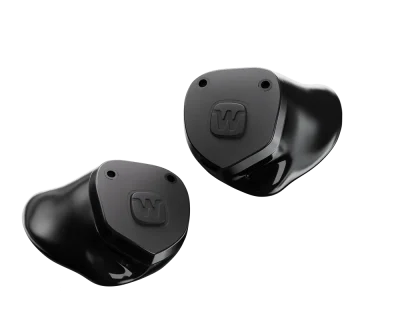
If you’re looking for Widex Allure ITE accessories, you’re in the right place. This guide explains which parts typically fit Widex Allure ITE hearing aids, how to identify what you need, and how to avoid buying the wrong item. Because ITE (in-the-ear) models can vary by shell type and receiver setup, the safest way to choose is to match accessories to your exact Allure ITE configuration, not just the brand name.
What “Widex Allure ITE” means for accessories
ITE hearing aids sit in the ear and are built in a custom-made shell. That design often changes—sometimes significantly—what accessories are used compared with behind-the-ear (BTE) and receiver-in-canal (RIC) models. For many ITE fittings, users most often need maintenance items (like wax protection and cleaning tools) rather than domes and external receivers.
Still, some Allure ITE variants may use replaceable components (for example, specific wax guards/filters), while others use solutions that are integrated into the custom shell. The key is confirming the exact part style used in your device.
Most common Widex Allure ITE accessory types
Wax filters / wax guards
Wax protection is usually the most important consumable for ITE hearing aids. A clogged wax filter is one of the most common causes of weak or distorted sound. The correct wax guard must match the style used in your Allure ITE shell—different Widex models and different earmould/receiver outlets can use different systems.
Cleaning and care accessories
Regular cleaning helps prevent moisture and wax buildup that can affect microphones and the sound outlet. Typical care accessories include cleaning brushes, cloths, and drying solutions suited for hearing aids. Using the right tools can extend performance between service visits.
Domes (only if your Allure ITE uses them)
Many ITE models do not use domes the way RIC devices do. However, if your Allure ITE setup includes a sound outlet that takes a replaceable tip, you must match the size and type exactly (open vs. closed vs. power style). If you’re unsure whether your Allure ITE uses domes at all, check the physical sound outlet and your fitting paperwork, or compare with what you are currently wearing.
Batteries / charging (model-dependent)
Some ITE hearing aids use disposable batteries, while others are rechargeable. Accessories and replacements depend on the exact Allure ITE specification. If you use disposable batteries, matching the battery size is essential. If rechargeable, the correct charger and power supply (where applicable) must match the device generation.
How to confirm compatibility for Widex Allure ITE parts
To choose the correct Widex Allure ITE accessories, use at least one of the checks below before ordering:
Match what you already use: Compare the shape and locking mechanism of your current wax filter/guard or tip.
Check your hearing aid documentation: Your audiologist paperwork or user guide often lists the wax protection system and maintenance parts.
Look for product names/codes on the packaging: If you still have an old pack of filters, the exact system name is the fastest route to a correct match.
Inspect the sound outlet: The outlet design often indicates which filter family is used.
If you cannot confirm the system, avoid guessing—especially with wax filters. Choosing the wrong type can lead to poor fit, reduced protection, or parts getting stuck.
How to choose the right option (quick decision help)
If your sound is weak or muffled
Start by replacing the wax filter (if your model uses replaceable filters) and cleaning the sound outlet. Wax blockage is the most common cause of sudden volume drop in ITE devices.
If sound cuts in and out
Check for moisture and debris around microphones and the outlet. A drying routine can help. If you use disposable batteries, try a fresh battery and make sure the battery compartment closes fully.
If it whistles (feedback)
Feedback can happen if wax buildup changes the acoustics, if the device is not seated correctly, or if your ear has changed shape. Clean the outlet and replace the wax filter first. If the issue continues, you may need a fit check with your hearing care professional.
Common Widex Allure ITE problems and fixes
No sound: Battery/charge check, then inspect for wax blockage; replace wax filter if applicable.
Low volume or distortion: Replace wax filter and clean outlet; check for moisture.
Intermittent audio: Dry the device and verify battery contact/charge; remove debris around microphones.
Discomfort: Ensure correct insertion; persistent discomfort may indicate shell fit changes and needs professional adjustment.
Buy Widex Allure ITE accessories at Japebo
Japebo helps you find the right Widex Allure ITE consumables and care products so you can maintain sound quality and reduce downtime. If you identify your wax filter system or existing part type, you can order with confidence and keep your hearing aids performing as intended.
FAQ: Widex Allure ITE accessories
Do Widex Allure ITE hearing aids use do