
Stretta UP-R Accessories & Compatibility Guide | Japebo
If you’re looking for Stretta UP-R accessories, you’re in the right place. This guide is made to help you identify the correct compatible parts for the Stretta UP-R, understand what each accessory does, and choose the right option with confidence—so you avoid ordering the wrong item and get the best comfort and performance from your hearing aids.
What “Stretta UP-R” means for accessory compatibility
Accessory fit is not universal across hearing aids—even within the same brand or product line. The Stretta UP-R has a specific build and connection standards that determine which parts fit correctly. The most common compatibility factors are:
Connector type (how cables/receivers or earhook parts attach)
Coupling style (how sound is delivered to the ear: tubing/earmould vs other fittings)
Physical dimensions (length, diameter, and locking mechanisms)
If you’re ever unsure, match the accessory name/standard shown on your current part or packaging, and compare it to the product specifications before buying.
Common Stretta UP-R accessory types (and what they do)
Below are the accessory categories most users look for when maintaining or improving the fit and day-to-day reliability of the Stretta UP-R:
Ear coupling & fit parts
Fit parts are the items that connect the hearing aid output to your ear. Depending on your fitting, this may include tubing-based parts and earmould-related components. Replacing worn fit parts can improve comfort, reduce feedback (whistling), and restore sound quality.
Wax & moisture protection
Wax buildup and moisture are two of the most common causes of reduced sound, intermittent audio, or distortion. If your Stretta UP-R setup uses replaceable protection parts, swapping them on schedule is a simple way to prevent performance issues.
Cleaning & care accessories
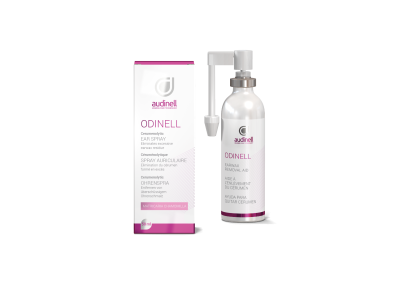
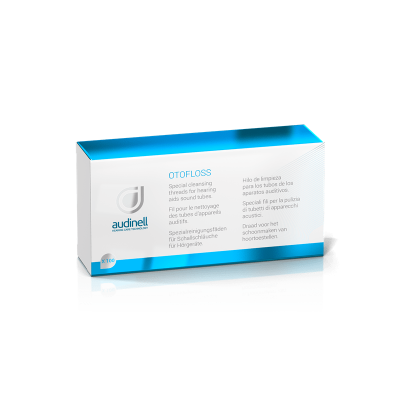
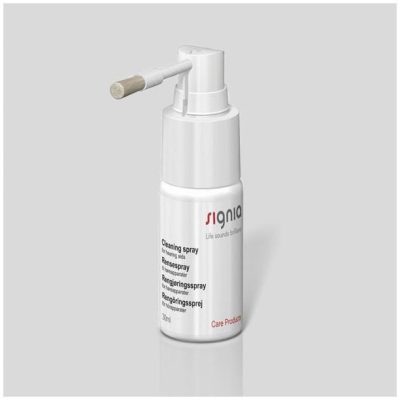
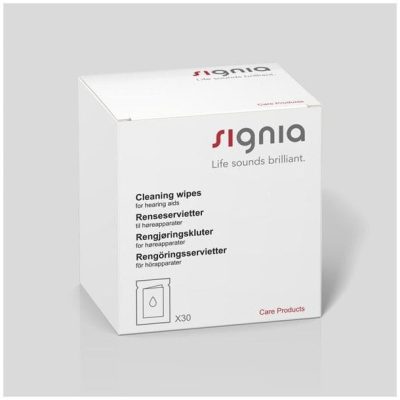
Routine cleaning tools and care items help keep sound outlets clear and reduce downtime. If you’ve noticed that sound quality changes over time, adding a simple care routine often resolves it without needing repairs.
How to choose the correct Stretta UP-R accessory
Use these steps to narrow down the right option:
Identify your current part: Look for printed codes, model names, or a standard on the accessory (or on the original packaging).
Confirm your fitting style: Accessories differ depending on whether your UP-R is using a tubing/earmould setup or another coupling method.
Compare measurements when relevant: Length and diameter matter for tubing and fit components.
Replace like-for-like when in doubt: If the current solution is comfortable and works well, choosing the same type is usually safest.
Tip: If you’re between two options, choose the one that matches your existing part exactly (same name/standard/size). “Almost the same” is a common reason for poor fit or reduced performance.
Common problems (and what to try first)
Sound is weaker than usual
Check for wax/moisture blockage and inspect the sound outlet path. Replace any protection parts if your setup uses them, and clean the openings carefully.
Whistling or feedback
Feedback is often caused by poor sealing or a shifted fit. Check that the fit parts are seated properly and not cracked or deformed. If the accessory is worn, replacing it can restore the seal.
Intermittent sound
Moisture and dirty contacts are common causes. Make sure the device and coupling parts are clean and dry, and consider using care accessories designed for routine maintenance.
Buy Stretta UP-R accessories at Japebo
At Japebo you can find compatible Stretta UP-R hearing aid accessories to maintain fit, hygiene, and performance. Use this page to confirm what you need, then choose the accessory that matches your current setup.
FAQ: Stretta UP-R accessories
Are Stretta UP-R accessories universal?
No. Many accessories are model- or fitting-specific. Always confirm the accessory standard, size, and connection type to ensure it fits the Stretta UP-R.
How often should I replace Stretta UP-R care and protection parts?
It depends on use and environment, but if you notice reduced volume, distortion, or visible wear, replacement is recommended. Regular preventative replacement can also reduce breakdowns.
What if I don’t know which accessory I have now?
Check the original packaging, look for codes printed on the part, or compare photos/specifications closely. If you still can’t confirm, replacing like-for-like based on visible shape and measurements is the safest approach.
Can the wrong accessory damage my hearing aid?
The wrong part is more likely to cause poor performance, discomfort, or feedback than direct damage, but forcing an incompatible part can lead to wear or breakage. If it doesn’t fit easily, don’t force it.