Products
Behind-the-Ear (BTE) Hearing Aid Accessories – Compatibility Guide (Stretta BTE 913)
If you’re looking for the right behind-the-ear (BTE) accessories for the Stretta BTE 913, you’re in the right place. BTE hearing aids use external components that must match the instrument’s connector type, tube size, and ear-fitting setup to work properly. This guide helps you understand what typically fits a Stretta BTE 913 BTE instrument, how to confirm compatibility, and what to choose when replacing worn parts.
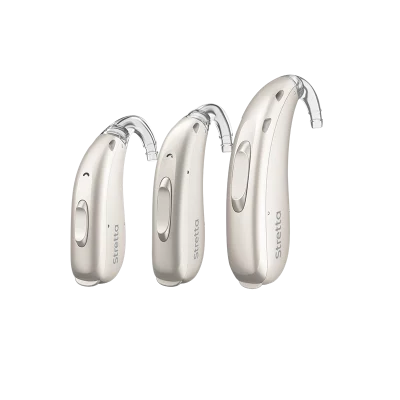
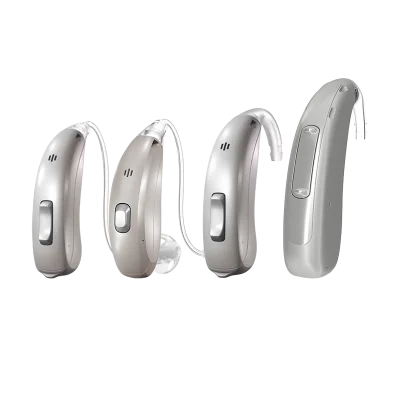
Behind-the-ear (BTE) instruments sit behind the ear and send sound into the ear canal through a tube and earhook (classic BTE) or through a thin tube/wire (thin-tube BTE). Because there are different BTE fitting styles, the safest way to select accessories is to first identify how your Stretta BTE 913 is fitted: with a standard tube and earmold, or with a thin tube and dome. Once you know the fitting style, selecting the correct parts becomes straightforward.
What “BTE accessories” usually includes
Accessories and consumables for BTE hearing aids commonly include:
Tubes / thin tubes (carry sound from the hearing aid into the ear)
Earhooks (connect the hearing aid to the standard tube on classic BTE fittings)
Domes (if your BTE uses a thin tube with a dome instead of an earmold)
Wax protection (filters or guards used on certain thin-tube fittings)
Earmolds (custom pieces, usually ordered via a hearing care professional)
How to confirm Stretta BTE 913 compatibility
To avoid ordering the wrong part, check these points before you buy:
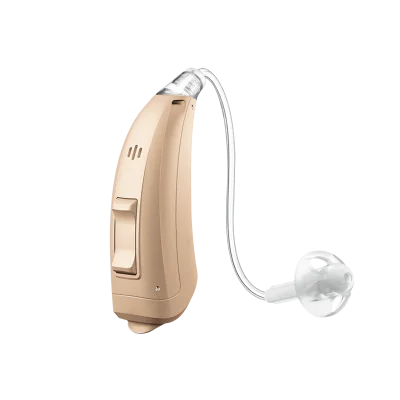
Fitting type: Look at the part that goes into your ear. A larger tube connected to an earmold usually indicates a classic BTE. A very slim, transparent tube with a small soft tip indicates a thin-tube BTE.
Connector style and size: Tubes and earhooks are not universal. The connection at the hearing aid (earhook or thin-tube adapter) must match the Stretta BTE 913.
Tube length (thin-tube setups): Thin tubes come in different lengths. The correct length should sit comfortably without pulling or leaving excess slack.
Ear fitting size (domes): Dome diameter varies (e.g., small/medium/large). The correct size should feel secure, not painful, and not work loose.
If you still have old parts (tube, earhook, dome), matching the replacement to the existing part is often the quickest way to confirm you’re choosing correctly.
Choosing the right option (common scenarios)
If your Stretta BTE 913 uses a classic tube + earmold: You’ll usually replace the standard tube periodically and sometimes the earhook if it becomes loose, discolored, or cracked. Sound issues like reduced volume or whistling can happen when tubes harden or split over time.
If your Stretta BTE 913 uses a thin tube + dome: You’ll typically replace thin tubes when they are stiff, kinked, or blocked, and replace domes regularly for hygiene and comfort. A poor seal (wrong dome type/size) may cause feedback (whistling), while a dome that’s too closed can make your own voice sound “boomy.”
Common problems and quick fixes
Sound is weak or muffled: Check for moisture or blockage in the tube, replace the tube/dome if needed, and inspect the ear-fitting for wax buildup.
Whistling (feedback): Ensure the dome or earmold sits correctly. Consider a different dome size/type or replace hardened tubing.
Discomfort: Try a smaller dome size or a different dome type (more open vs. more closed), and confirm tube length is correct.
Buy Stretta BTE 913 BTE accessories with confidence
Once you’ve identified whether your Stretta BTE 913 is a classic BTE or thin-tube BTE setup, you can choose the correct compatible replacement parts more confidently. If you’re unsure what you currently use, compare your existing tube/earhook/dome to the replacement options, or use the model name and fitting style to narrow down the correct match.
FAQ
Are all BTE tubes and domes universal?
No. Many BTE parts look similar, but connector styles and sizes vary. Always match the fitting type and connector used by your Stretta BTE 913.
How often should I replace domes or tubes?
It depends on wear and hygiene needs, but domes are often replaced more frequently than tubes. Replace any part that becomes discolored, stiff, loose, or uncomfortable, or if sound quality changes.
How do I know if I have a thin-tube BTE or a classic BTE?
Thin-tube BTEs use a very slim tube going into the ear and usually a dome. Classic BTEs use a thicker tube connected to an earmold.
What if I’m between two dome sizes?
Choose the size that seals gently and stays in place without pressure. If one size whistles and the next feels tight, a different dome style may be a better solution.