
Products
Starkey Guide | Find the Right Hearing Aid Accessories & Compatibility
Looking for the right Starkey hearing aid accessory but unsure what fits your device? This Starkey guide explains how compatibility works and how to choose the correct accessories—so you can replace parts like domes, wax filters, receivers, and power accessories with confidence.
What this Starkey guide helps you do
Starkey hearing aids often share similar-looking consumables, but the correct match depends on your hearing aid style and the connection type used. This page helps you:
Confirm whether you’re choosing accessories made for Starkey hearing aids
Understand which accessory types are commonly replaced
Identify what to check (model name, speaker/receiver type, and ear-piece style) before buying
How Starkey accessory compatibility works
Starkey accessory compatibility is usually determined by a few practical factors:
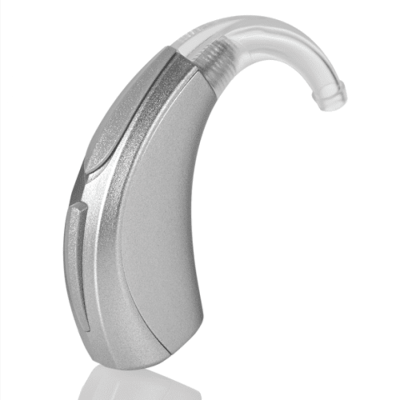
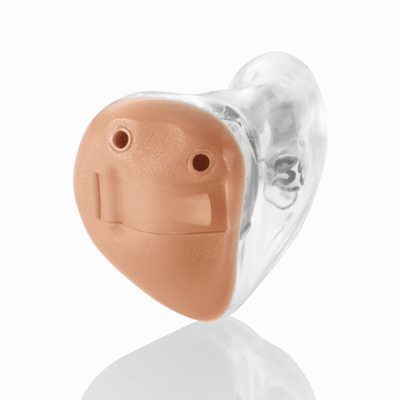
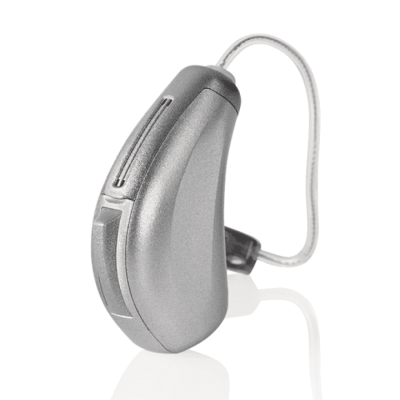
Hearing aid style: RIC/RITE (receiver-in-canal), BTE (behind-the-ear), or custom in-ear models
Receiver/speaker system: Many Starkey RIC devices use specific receiver families and connector types
Ear coupling: Domes vs. custom earmolds (and the size/attachment type)
Maintenance system: Wax protection can be integrated into the receiver, dome, or earmold depending on setup
If you’re unsure, check your hearing aid paperwork or look for the model name in your fitting app. When available, compare your current accessory visually (shape/connection) before replacing.
Common Starkey accessories (and why they matter)
These are the accessory categories Starkey users most often search for and replace:
Starkey domes
Domes affect comfort, retention, sound balance, and how much outside sound is vented. If your Starkey hearing aid uses a speaker wire (common on RIC styles), you likely use domes. Choosing the right type and size helps reduce issues like whistling (feedback) and occlusion (a “plugged” feeling).
Starkey wax filters / wax guards
Wax protection helps prevent blocked sound and protects sensitive components. A clogged wax filter is one of the most common causes of weak or intermittent sound. The correct Starkey wax filter depends on your receiver or earmold setup—using the wrong type may not fit or may not protect properly.
Starkey receivers / speakers (RIC)
If you have a Starkey RIC hearing aid, the receiver is the part at the end of the thin wire that sits in the ear canal. Receivers must match the correct connector type and typically come in different lengths and power levels. Replacing a receiver can restore sound quality if the speaker has failed or become unreliable.
Starkey chargers and power accessories
Rechargeable Starkey models use specific chargers. Compatibility is usually model-family dependent, so it’s important to match the charger to the exact Starkey hearing aid generation you have. If your device uses disposable batteries, the “accessory” you need most often is the correct battery size and reliable storage/handling.
How to choose the right Starkey accessory (quick checklist)
Before you buy, confirm these points to avoid mismatches:
Your Starkey model name (from paperwork or app)
Hearing aid type (RIC with wire, BTE with tube, or custom)
What you’re replacing (dome, wax guard, receiver, charger)
Exact variant if relevant (dome size, receiver length/power, wax filter system)
If your current part is still available, using it as a reference (shape, locking mechanism, and size marking) is often the safest way to confirm compatibility.
Troubleshooting: common issues Starkey users can fix with the right accessory
Sound is weak or muffled
Most often caused by a blocked wax filter, a clogged dome opening, or moisture/debris in the receiver. Replacing the wax protection and cleaning or replacing the dome is a good first step.
Whistling / feedback
Often improved by switching to the correct dome size (a better seal), choosing a more closed dome style if appropriate, or ensuring the dome is properly seated.
Dome keeps slipping off
This can happen when the dome size is too large/small or when the attachment point doesn’t match your receiver. Confirm you’re using a Starkey-compatible dome type for your receiver system.
Intermittent sound or cutting out
May indicate receiver wear, moisture, or a poor connection. If replacing wax protection doesn’t solve it, the receiver may need replacement (model-specific).
Buy Starkey accessories with confidence
Once you’ve confirmed your Starkey model and the accessory type you need, you can choose the correct replacement and restore comfort and performance quickly. If you’re uncertain between two options, prioritize matching the connector/attachment type first—then choose the correct size or power variant.
FAQ: Starkey accessories & compatibility
How do I know which Starkey accessory fits my hearing aid?
Start with your Starkey model name and hearing aid style (RIC/BTE/custom). Then match the accessory system (receiver connection, dome attachment, or wax guard type). Visual comparison with your current part is often the fastest confirmation.
Are Starkey domes universal?
No. Even if domes look similar, attachment types can differ between receiver systems and generations. Always choose domes specified for Starkey compatibility and the correct receiver connection.
Do I need to replace wax filters regularly?
Yes—wax filters are consumables. Replace them when sound becomes weaker, you see wax buildup, or at your clinician’s recommended interval.
Can I replace a Starkey receiver myself?
Many RIC receivers are designed to be user-replaceable, but compatibility (connector, length, and power level) must match exactly. If you’re unsure, confirm the receiver family and markings before ordering.
What if I can’t find my Starkey model name?
Check your fitting app, original paperwork, or ask your hearing care professional. You can also compare the shape of your current accessories (especially the receiver connector and wax filter system) to confirm the correct type.