Starkey Evolv AI BTE

NELL1 SNI030-59

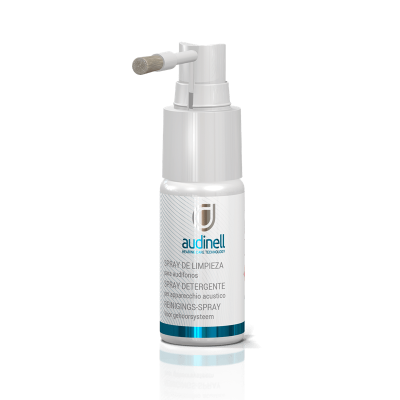
Cleaning Spray 30 ml

6.90 £

NELL1 SVI30-59

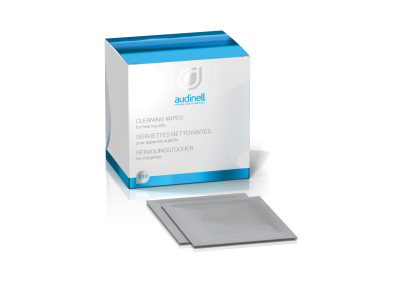
Cleaning Wipes

7.90 £

NELL1 4PA-59

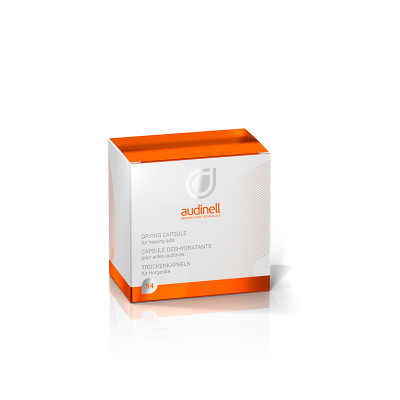
Drying capsules

5.90 £

NELL1 ODN-59

Odinell Ear Spray

11.90 £

NELL1 FLS-59

Otofloss

14.90 £
19.89 £
This product has multiple variants. The options may be chosen on the product page
19.89 £
This product has multiple variants. The options may be chosen on the product page

Starkey Evolv AI BTE Accessories & Compatibility Guide | Japebo

If you’re looking for Starkey Evolv AI BTE accessories, the most important step is making sure the part matches your exact BTE setup. “BTE” (behind-the-ear) can be configured with different sound delivery systems (classic tube, thin tube, or an earmold), and that affects which domes, tubes, earhooks, and wax protection you need. This guide explains which accessories are typically used with Starkey Evolv AI BTE models, how to identify what you have, and how to choose the right replacement.

What this page covers (and who it’s for)
This page is for users of Starkey Evolv AI BTE hearing aids who want to replace worn parts or buy spares—without guessing. You’ll benefit most if you want help with:

Identifying whether you use a standard tube, thin tube, or custom earmold
Choosing the correct dome style/size (when applicable)
Understanding how wax and moisture protection works on BTE fittings
Knowing when you should contact your hearing care professional instead of forcing a part to fit

How accessory compatibility works for Starkey Evolv AI BTE
For Starkey Evolv AI BTE, compatibility is mainly determined by the ear-side fitting (what connects the hearing aid to your ear), not just the model name. In practice, users typically fall into one of these setups:

1) Classic BTE with earmold + standard tube
This setup uses a custom earmold and a replaceable tube that runs from the hearing aid’s earhook to the mold. If this is your setup, you’ll typically shop for:

Standard tubing (correct diameter and length, cut-to-fit)
Earhook(s) (if the hook is cracked, loose, or yellowed)
Cleaning tools for tubing and earmolds

2) BTE with thin tube + dome (open/closed)
Some BTE fittings use a thin tube ending in a dome in the ear canal. If you see a soft silicone tip (dome) rather than a full earmold, you’ll typically need:

Thin tubes (correct side/length and connector type)
Domes (correct style and size)
Wax protection if your tube/dome system includes a wax guard at the ear end

3) BTE with custom earmold (no dome)
If you have a custom earmold but no standard tube (or a specialized connector), accessory choice depends on the exact mold and coupling. In that case, your safest route is to identify the coupling type before ordering.

How to identify what you need (fast checks)
Check the ear-side tip

Dome: small, soft silicone tip that can be pulled off and replaced.
Earmold: larger custom piece shaped to your ear (often acrylic or silicone).

Check the tube thickness

Thin tube: slim, flexible, typically clear.
Standard tube: thicker, more rigid, usually attached to an earhook.

Look for left/right and length markings
Many tube systems have markings for L/R and a length/size code. Matching these avoids discomfort, feedback (whistling), and poor retention.

Choosing Starkey Evolv AI BTE domes (if your fitting uses domes)
If your Starkey Evolv AI BTE uses domes, the correct choice depends on comfort, retention, and how much sound/airflow you need.

Common dome styles (what they’re for)

Open domes: more ventilation and a more natural feel; often used for mild-to-moderate fittings and reduced “occlusion” (plugged-up feeling).
Closed domes: more sealing; can improve bass and reduce feedback risk in some fittings.
Power/Double domes: stronger seal; typically used when more amplification is needed and feedback control is critical.

How to pick the right size
Dome size should feel secure but not painful. If domes work loose, sound becomes thin, or you get feedback, you may need a different size or style. When in doubt, match:

The exact dome type you currently use
The size (often measured in mm or indicated by a size code)

Tubes, earhooks, and earmold parts (common Starkey Evolv AI BTE replacements)
When to replace tubes
Replace tubing if it turns stiff/yellow, doesn’t sit comfortably, causes intermittent sound, or no longer seals well. Fresh tubing can improve comfort and sound consistency.

When to replace an earhook
Earhooks can crack, loosen, or discolor over time. If the tube keeps slipping, the hook rotates too freely, or you see damage, replacing the earhook is often the fix.

Earmold maintenance essentials
Custom earmolds usually last longer than domes, but they still need cleaning and may need retubing. If your earmold feels loose, painful, or starts whistling more often, book an in-person check—ear shape and venting changes may require an adjustment.

Common problems (and what to do)
Whistling / feedback
Often caused by a poor seal (wrong dome size/style, cracked tubing, loose earmold) or blockage that changes acoustics. Try a fresh dome/tube first; if it persists, get the fit checked.

Sound is weak or intermittent
Check for wax/moisture blockage at the ear end, tubing kinks, or a dome that’s torn. Cleaning or replacing the ear-side parts solves many “sudden weak sound” issues.

Discomfort or soreness
Switching dome size/style may help, but persistent pain is a sign the fit needs review. Don’t force a larger dome if it hurts.

Where to buy Starkey Evolv AI BTE accessories
For the best results, order accessories that match your exact fitting (tube type, coupling, dome style/size). If you’re unsure, use your current part as a reference—or contact support with a clear photo of:

The hearing aid from the side (showing the earhook/tube connection)
The ear-side tip (dome or earmold connection)
Any printed codes on the tube/connector

Once you’ve confirmed the fitting type, you can confidently purchase replacement domes, tubes, and other wear parts for your Starkey Evolv AI BTE.

FAQ – Starkey Evolv AI BTE accessories
Are all Starkey BTE accessories compatible with Starkey Evolv AI BTE?
No. Even within Starkey BTE models, compatibility depends on your coupling system (standard tube + earmold vs thin tube + dome) and the connector style. Match the accessory to your current setup.

How do I know if I should use open, closed, or power domes?
Open domes prioritize comfort and natural sound; closed/power domes prioritize sealing and feedback control. If you’re replacing what you already have, the safest option is to match the same style and size unless your hearing care professional advised a change.

How often should I replace domes or tubes?
Domes are typically replaced more often than tubes (they can tear, harden, or loosen). Tubes should be replaced when they discolor, stiffen, or cause fit/sound issues. Your usage, earwax, and cleaning habits affect the interval.

My hearing aid has an earmold—do I still need wax guards?
Many earmold + tube fittings rely on cleaning the mold and tube rather than a small wax guard at the tip, but designs vary. If you’re unsure, check whether there’s a replaceable wax element at the ear end or ask with a photo of the earmold opening.

What if I order the wrong part?
If the connector doesn’t match, or the dome doesn’t sit securely, don’t modify parts to make them fit. Identify your tubing/coupling first and then choose the correct replacement.