SpecSavers Advance 71 RIC Receivers | Compatibility Guide & Buying Help | Japebo
Looking for a SpecSavers Advance 71 RIC receiver and want to be sure you’re choosing the correct one? This guide explains what the Advance 71 RIC receiver is, how compatibility typically works for SpecSavers Advance 71 RIC hearing aids, and what to check before you buy—so you can replace a faulty receiver or change power level confidently.
What is a SpecSavers Advance 71 RIC receiver?
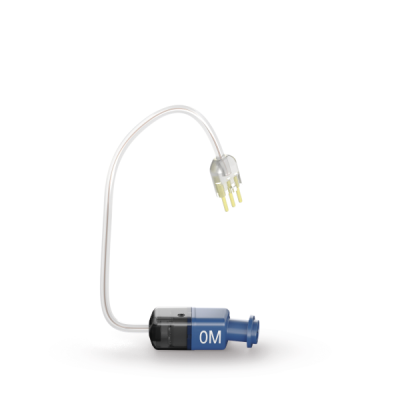
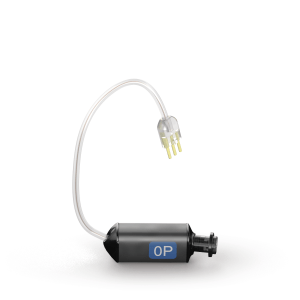
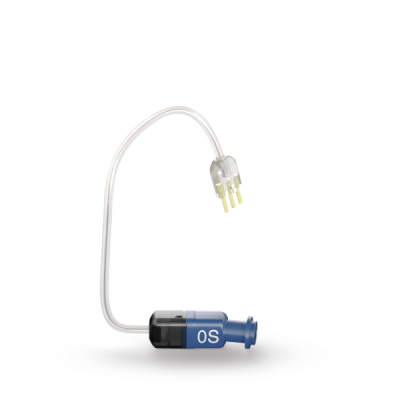
On RIC (Receiver-in-Canal) hearing aids, the receiver is the small speaker unit that sits in the ear canal (or just at the entrance) and is connected to the hearing aid by a thin wire. The receiver delivers sound from the hearing aid to your ear, and it’s one of the most common parts to need replacement due to moisture, earwax, cable wear, or accidental damage.
Compatibility: which hearing aids use SpecSavers Advance 71 RIC receivers?
This page is intended for accessories that fit the SpecSavers Advance 71 RIC model family. Receiver compatibility is not universal across all SpecSavers devices—even if the receiver “looks” similar—because connection types, receiver platforms, and programming expectations can differ by model generation.
How to confirm you’re on the right page:
Check your paperwork, fitting report, or the label in the app (if you use one) for Advance 71 RIC.
Look at the current receiver/wire for any printed codes (often near the connector or on the wire). These codes help identify side, length, and power.
If you’re replacing “like for like”, match the markings on your existing receiver exactly.
If you’re unsure, choose the closest match and verify before opening the packaging (where possible), or contact your hearing care provider with the receiver code and an image of the connector.
How to choose the correct SpecSavers Advance 71 RIC receiver
To reduce the risk of ordering the wrong receiver, confirm these four points before buying:
1) Left or right (ear side)
Receivers are side-specific. Many are marked with a color cue: red = right, blue = left. Match your existing receiver to avoid fit issues and cable routing problems.
2) Wire length
Receivers come in different wire lengths so the hearing aid sits comfortably behind the ear without pulling. If you can, match the length marking on your current receiver. If the wire is too short it may feel tight; too long can cause the hearing aid to shift or the wire to loop.
3) Power level (receiver strength)
Receiver “power” (often described as standard/medium/power) should match your hearing loss and your hearing aid fitting. Replacing with the same power as your current receiver is the safest choice. Changing power level can affect loudness, feedback (whistling), and how your hearing aid is tuned.
4) Dome or earmould compatibility
The receiver must work with your current dome (open/closed/power) or with an earmould and tubing adapter (if used). If you’re experiencing feedback, poor retention, or thin sound, the issue may be dome size/type rather than the receiver itself.
Common signs your SpecSavers Advance 71 RIC receiver needs replacing
Sound cuts in and out when you move
Very weak sound or distorted audio
No sound, while the hearing aid still powers on
Crackling, rattling, or intermittent buzzing
One side suddenly quieter than the other (after cleaning and changing wax protection)
Troubleshooting before you replace the receiver
Many “dead receiver” symptoms are caused by blockage or a worn consumable. Before replacing the receiver, try:
Change the wax protection (wax filter/guard) if your setup uses one.
Replace the dome and check the sound outlet for blockage.
Dry the hearing aid overnight in a drying box/cup if moisture is likely.
Swap sides (if possible) only if your receiver system and fittings allow safe swapping—this can help confirm whether the issue follows the receiver.
If the problem persists after wax and dome changes, a receiver replacement is often the next step.
How long do SpecSavers Advance 71 RIC receivers typically last?
Receiver lifespan varies widely. Moisture, sweat, earwax, and daily wear can shorten lifespan, while consistent cleaning and drying can extend it. If you’ve replaced wax protection and domes regularly but still experience recurring failures, consider using more frequent drying and ensuring wax protection is changed on schedule.
Buying SpecSavers Advance 71 RIC receivers online
When ordering a SpecSavers Advance 71 RIC receiver, prioritize a clear match on side, length, and power. If you can match the printed receiver code from your current unit, you’ll greatly reduce the chance of ordering the wrong part.
If you’re also replacing consumables, it’s often worth ordering extra domes and wax protection at the same time, as these are the most common causes of reduced sound and feedback.
FAQ: SpecSavers Advance 71 RIC receivers
Can I use a receiver from another SpecSavers model on the Advance 71 RIC?
Not reliably. Receiver platforms and connectors can vary by model generation. Only use a receiver confirmed compatible with SpecSavers Advance 71 RIC, or match the receiver code from your existing unit exactly.
Do I need both left and right receivers?
Only if both sides are faulty or if you want a spare. Receivers are side-specific, so you must choose left or right correctly for each ear.
Will changing receiver power level improve my hearing?
Not necessarily. Receiver power must match your fitting. Switching power level can cause feedback or an unbalanced sound and may require adjustment by a professional.
My hearing aid works but sound is weak—receiver or wax filter?
Most commonly it’s wax protection or a blocked dome. Try changing wax protection and the dome first. If the issue remains, the receiver may be failing.
How do I know my receiver wire length?
Many receivers have a length marking on the wire or near the connector. If you can’t find it, matching the fit of your current setup (comfort behind the ear and wire tension) is the best guide.