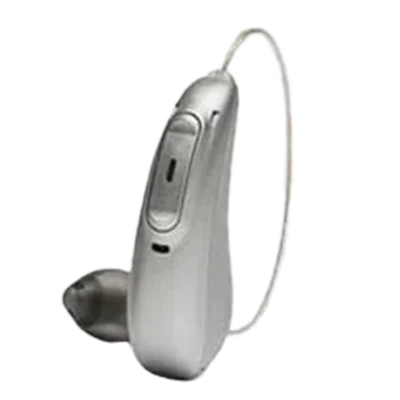
SpecSavers

Products

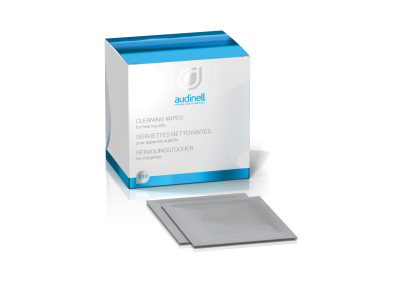
NELL1 SVI30-59

Cleaning Wipes

7.90 £

NELL1 ODN-59

Odinell Ear Spray

11.90 £

SpecSavers hearing aid accessories – compatibility & buying guide

If you use hearing aids from SpecSavers, getting the right accessories can feel confusing—many parts look similar, but only certain shapes and sizes will fit your exact receiver, tube, or earmould. This guide explains the most common SpecSavers hearing aid accessories, how compatibility typically works, and how to choose the correct option so you can restore comfort, sound quality, and reliability.

What counts as a SpecSavers hearing aid accessory?
Most SpecSavers hearing aids (especially RIC/RITE and BTE styles) use replaceable wear parts that affect comfort and performance. The most commonly replaced accessories include:

Domes (ear tips) for many RIC/RITE models
Wax filters / wax guards to protect the speaker and prevent blockages
Tubes (thin tubes) for many BTE “tube” fittings
Earhooks (for BTE with earmould)
Batteries (sizes 10, 312, 13, 675 depending on model)
Cleaning tools and drying solutions

Choosing the right accessory matters because an incorrect part can cause poor retention, feedback/whistling, reduced volume, or blocked sound.

How compatibility usually works for SpecSavers hearing aids
SpecSavers has sold multiple hearing aid ranges over time and (like many clinics) may supply devices from different manufacturers under clinic-specific naming. That means compatibility is usually determined by the fitting style and component type, not only the clinic name on the paperwork.
In practice, the correct accessory depends on factors such as:

Hearing aid style: RIC/RITE, BTE thin-tube, or BTE with earmould
Receiver/speaker system (for RIC/RITE): the receiver type and size
Wax protection system: the wax filter model used in your receiver or custom mould
Dome connection: the dome “mount”/spigot size
Tube diameter and how it connects to the earhook (for thin tubes)

If you’re unsure, the fastest way to confirm compatibility is to match what you currently use (shape, colour, markings) or check your aftercare paperwork for dome/wax filter names. If you can share the hearing aid model name/number or a clear photo of the receiver end (where the dome sits), it’s usually possible to narrow it down quickly.

SpecSavers domes: types and how to choose
Domes are soft ear tips that sit in the ear canal and connect to the receiver. They affect comfort, sound balance, and how much background noise you perceive.
Common dome styles

Open domes: more ventilation, often preferred for mild-to-moderate losses and a more natural “open” feel.
Closed domes: more sealing than open domes; can improve bass and reduce feedback in some fittings.
Power (double) domes: the most sealing; often used when more amplification is needed.
Tulip domes: two overlapping flanges; can balance comfort and sealing depending on ear shape.

How to pick the right dome
Start with what was fitted by your audiologist (same type and size). If you’re troubleshooting, these guidelines help:

Too small: may slip out, whistle, or sound thin.
Too large: may feel sore, create pressure, or be difficult to insert.
Too open: may reduce bass and make speech feel less “full”.
Too closed: may cause occlusion (“boomy” own-voice) or discomfort.

Domes are not universal: even if the shape looks right, the connector can differ. Make sure the dome is designed for your specific receiver/tube system.

SpecSavers wax filters: preventing blockage and sound dropouts
Wax filters (wax guards) protect the receiver opening from earwax and moisture. A clogged wax filter is one of the most common reasons a hearing aid suddenly sounds weak or stops working.
How to know you need a new wax filter

Sound becomes quieter or muffled
Intermittent sound (cuts in and out)
Visible wax at the receiver outlet

Choosing the right wax filter
Wax filters come in different systems and sizes. The correct one must match your receiver or custom mould. If you don’t know the filter name, compare the tool and filter colour/shape to your current pack, or look for the filter type on the packaging you received with your hearing aids.

SpecSavers tubes and earhooks (BTE fittings)
If you wear a BTE with a tube (thin-tube or standard tube), replacing tubing periodically keeps sound clear and improves comfort and hygiene.
When to replace a tube

The tube has gone stiff, yellow, or brittle
You see kinks or moisture build-up that won’t clear
Sound quality seems reduced even after cleaning

Tube compatibility depends on the tube type and coupling (how it attaches to the earhook or the earmould). If you’re unsure, match the exact tube style you already have.

SpecSavers hearing aid batteries: sizes and tips
Many SpecSavers hearing aids use disposable zinc-air batteries. The correct size depends on your model:

Size 10 (yellow)
Size 312 (brown)
Size 13 (orange)
Size 675 (blue)

If you’re not sure, check the number printed on the battery door, your current battery, or your packaging. For best performance, remove the sticker and wait about a minute before inserting to allow the battery to activate fully.

Common problems and quick fixes
“My hearing aid whistles”
Try a fresh dome in the correct size, check fit depth, and replace the wax filter. Persistent feedback may mean you need a different dome style or a refit.

“Sound is weak or muffled”
Replace the wax filter first. Then check the dome for blockage and inspect for moisture. For BTE tubes, check for moisture and stiffness.

“The dome keeps coming off”
Don’t use it if it’s loose. Domes should fit securely on the receiver. Make sure you’re buying the exact dome system designed for your receiver/tube.

Where to buy SpecSavers-compatible accessories
Once you’ve confirmed the correct system (dome type, wax filter model, tube style, battery size), you can buy compatible accessories online so you always have spares ready. If you’re between sizes or unsure about compatibility, use your current parts as a reference and choose the closest exact match rather than “universal” alternatives.

FAQ: SpecSavers hearing aid accessories
Are SpecSavers hearing aid domes universal?
No. Dome connectors vary by receiver/tube system. You need the dome made for your specific receiver type, plus the right size and style for your fitting.

How often should I change domes?
Many people replace domes every 4–12 weeks depending on earwax, skin sensitivity, and wear. Replace sooner if they harden, tear, or won’t stay secure.

How often should I change wax filters?
Commonly every few weeks to every couple of months, or immediately if sound becomes muffled. Heavy wax buildup may require more frequent changes.

How do I identify my wax filter type?
Check the original packaging or compare the filter tool and filter shape/colour to your current one. If you can’t find it, a clear photo of the receiver outlet and the filter tool usually helps identify the system.

What if I order the wrong accessory?
Don’t force-fit parts. Re-check your hearing aid style (RIC vs BTE), the receiver/tube connection, and your current accessory model. When in doubt, match by exact system name from your packaging or paperwork.