SpecSavers Ric

SpecSavers RIC Receivers (Replacement Speakers) | Compatibility Guide & Buy Online

If you’re looking for a SpecSavers RIC receiver (also called a speaker) to replace a worn, weak, or broken one, you’re on the right page. This guide explains how SpecSavers RIC receivers fit different hearing aids, what to check before you buy, and how to choose the correct side and power level so you can restore sound quality and comfort with confidence.

What is a SpecSavers RIC receiver?
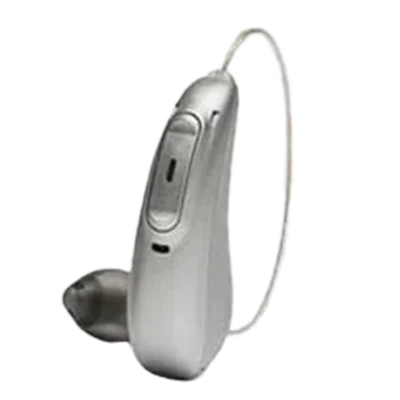
RIC stands for Receiver-in-Canal. In a RIC hearing aid, the receiver (speaker) sits at the ear end of the wire and delivers sound into the ear canal via a dome or earmould. The receiver is a consumable part and may need replacement over time due to moisture, earwax, cable wear, or accidental damage.

How compatibility works for SpecSavers RIC receivers
Compatibility depends on the receiver platform/connection type used by your specific SpecSavers RIC model. Even if two receivers “look similar”, they may not click in correctly, may sit poorly, or may not be recognised by the hearing aid.
Before ordering, confirm:

Your exact hearing aid model/family (from paperwork, the fitting screen, or the device label).
Your current receiver type (often indicated by markings on the wire/receiver, such as side, length, and power).
Left vs right (receivers are typically side-specific).

Which SpecSavers hearing aids use RIC receivers?
SpecSavers offers multiple RIC-style hearing aids across different generations and suppliers. The correct receiver depends on the specific model you have, not only the fact that it is “RIC”. If you’re unsure, match your replacement to the receiver you are currently using (markings on the wire are usually the fastest way to identify it).

How to choose the right SpecSavers RIC receiver
1) Choose the correct side (Left/Right)
Most RIC receivers are dedicated to left or right. Check the markings on the receiver wire (commonly “L” or “R”) or compare to your existing receiver.

2) Choose the correct wire length
Wire length affects comfort and retention. Too short can pull the receiver out of position; too long can cause the wire to loop and reduce stability. Use the number printed on your current receiver wire (often a small size number) or follow the size you were originally fitted with.

3) Choose the correct power level
Receivers often come in different power outputs (e.g., standard vs power). Using the wrong power level can change loudness, sound balance, and feedback behaviour. Match the power marking on your existing receiver whenever possible.

4) Check what sits on the receiver (domes/earmoulds)
Your receiver is typically used with a dome or an earmould. When replacing the receiver, you can usually reuse your dome if it’s clean and undamaged, but many users replace domes at the same time for best comfort and hygiene.

Common issues that a new receiver can solve

No sound or intermittent sound (broken wire or internal receiver fault).
Sound is weaker than before (receiver wear or blockage).
Crackling or drop-outs when moving (wire fatigue).
Feedback/whistling changes (receiver not seated correctly or wrong power level).

If sound is reduced, also check for earwax blockage and replace any relevant wax protection used with your setup, as wax build-up can mimic receiver failure.

When you should not “guess” a receiver
Choose carefully (or ask for help) if:

You cannot identify the receiver markings on your current wire.
Your hearing aid has been refitted recently and the receiver power may have changed.
You are switching from dome to earmould (or vice versa), which can affect the recommended receiver power and retention.

Buy SpecSavers RIC receivers online
Once you’ve confirmed model compatibility, side, length, and power level, you can select the correct SpecSavers RIC receiver and replace it to restore reliable performance. If you’re uncertain, compare your current receiver markings and choose the closest match—this is usually the safest way to ensure compatibility.

FAQ: SpecSavers RIC receivers
Are all SpecSavers RIC receivers the same?
No. “RIC” describes the style, but compatibility depends on the receiver platform/connector used by your specific hearing aid model and generation.

Can I use a left receiver on the right ear (or the other way around)?
In most cases, no. Receivers are typically side-specific and must match the ear side.

Do I need to replace the dome when I replace the receiver?
Not always, but it’s often recommended. A fresh dome can improve comfort, retention, and hygiene, and may reduce feedback.

How do I identify my receiver?
Check the printing/markings on the wire near the receiver (often side, length, and power). If the markings are worn off, matching the physical connector and shape to your existing receiver is the next best step.

My hearing aid is whistling after replacing the receiver—what should I do?
Check that the receiver is fully clicked in and the dome is seated correctly. If you installed a different power level or changed dome type, feedback can increase—switch back to the original specification or consult your hearing care provider.