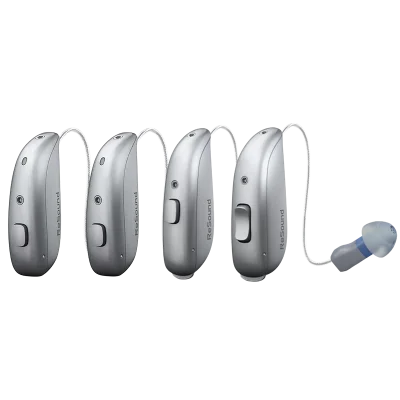
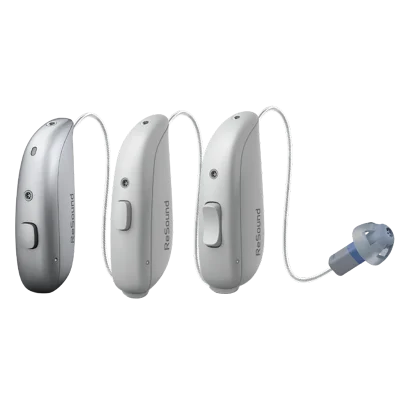
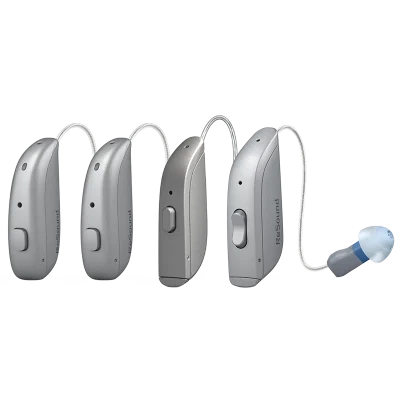
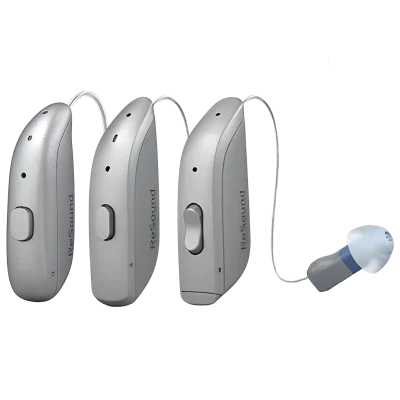
RIE Instrument

RIE Instrument 501 Accessories & Compatibility Guide | Japebo

If you’re looking for RIE Instrument 501 accessories, you’re in the right place. This guide explains what the RIE Instrument 501 accessory system is, which parts typically need replacement, and how to choose the correct option the first time—so you avoid ordering something that doesn’t fit.

What “RIE Instrument 501” means (and why it matters for compatibility)
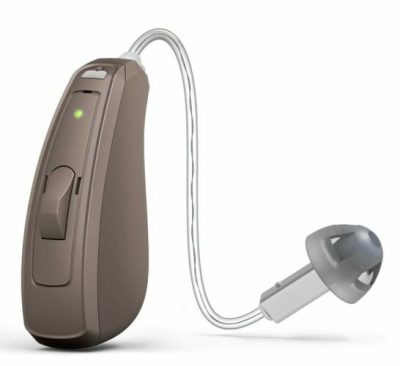
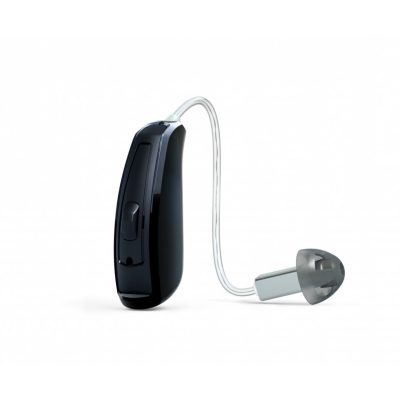
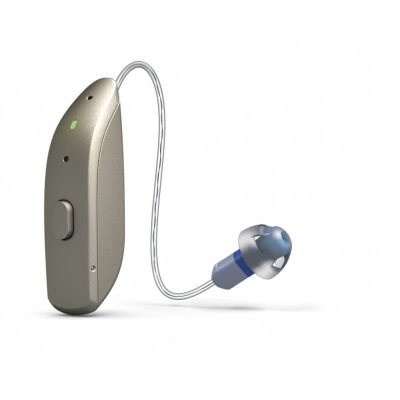
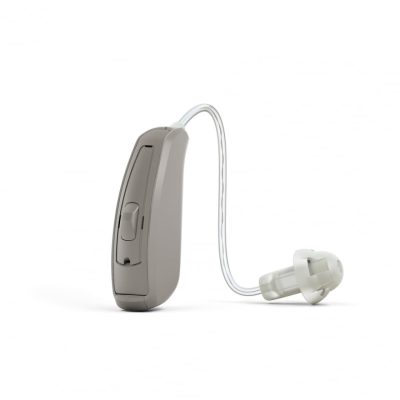
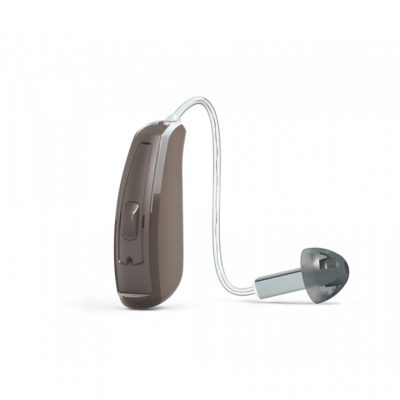
RIE stands for Receiver-In-Ear, a common hearing-aid style where the speaker (receiver) sits in the ear canal and connects to the hearing aid behind the ear via a thin wire. “501” is most often used to indicate a specific connection/receiver interface or fitting standard used within a product ecosystem.
For you as a buyer, that means accessories are not one-size-fits-all: many parts must match the exact receiver interface and ear-side components used with RIE Instrument 501.

Common RIE Instrument 501 accessories people replace
Most purchases in the RIE category are replacement parts that wear out over time. The most common are:

Receivers (speakers) – the ear-side sound unit; may be offered in different power levels and wire lengths.
Domes / eartips – the soft tips that sit in the ear canal (open, closed, power, and different sizes).
Wax filters / wax guards – small filters that protect the receiver from earwax and moisture.
Retention locks / sports locks – small stabilizers that help keep the receiver and dome in place.
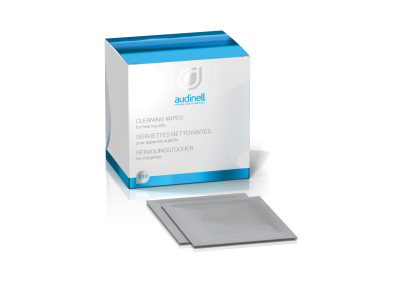
Cleaning tools – used to remove wax and keep sound ports clear.

Which hearing aids use RIE Instrument 501 accessories?
Compatibility depends on the specific hearing aid model and the receiver system it was fitted with. Even within “RIE” styles, brands and product generations can use different receiver connections, dome families, and wax filter types.
The safest way to confirm you need RIE Instrument 501 parts is to match at least one of the following:

The exact receiver label/marking on the wire or receiver housing (if present)
The dome or wax filter type currently used (shape and locking mechanism are strong clues)
Your fitting paperwork from the hearing care professional (often lists receiver type and size)

How to choose the correct RIE Instrument 501 part
1) Start with what you’re replacing
If your sound is weak, crackling, or cutting out, it’s often a clogged wax filter or worn dome. If the issue persists after replacing those, the receiver itself may be failing.

2) Match the attachment style, not just the name
With RIE systems, small differences in connector shape and latch style decide whether a part fits. When choosing RIE Instrument 501 accessories, compare the connection and the ear-side form factor to your existing parts.

3) Choose the right dome type and size
Domes affect both comfort and sound:

Open domes typically feel airy and can help reduce “blocked” feeling.
Closed domes can provide more bass and reduce leakage.
Power domes generally provide the most seal and are often used for higher amplification needs.

Size matters: if the dome feels loose, whistles, or slips out, you may need a larger size. If it hurts or feels pressured, choose a smaller size or a different dome style.

4) Don’t guess wax filters
Wax filters are highly model-specific. If you’re unsure, check what’s currently installed. The easiest route is to identify the exact wax filter family first—then buy the matching replacements.

Common problems with RIE Instrument 501 setups (and what to do)
Whistling / feedback
Often caused by a poor seal (dome too small, worn dome, or incorrect type). Try a fresh dome, a larger size, or a more sealing dome style.

Muffled or weak sound
This is frequently a clogged wax filter or blocked dome. Replace the wax filter and dome before assuming the receiver is broken.

Sound cuts in and out
Could indicate moisture, debris, or a failing receiver. Clean/dry the ear-side components and replace the wax filter. If the issue continues, the receiver may need replacement.

Dome won’t stay on / keeps coming off
This usually means the dome family doesn’t match the receiver’s tip/locking design or the dome has stretched. Make sure you’re choosing a dome type made for the RIE Instrument 501 receiver interface.

Buying RIE Instrument 501 accessories online (what to double-check)
Before ordering, confirm:

Receiver interface/connection matches your current RIE Instrument 501 setup
Dome family matches the receiver tip style
Wax filter type matches what you already use
Receiver wire length (if buying receivers)

If you can’t confirm one of these, it’s better to identify your existing part first than to buy multiple incompatible options.

FAQ: RIE Instrument 501
Are all RIE accessories interchangeable?
No. “RIE” describes a style, but compatibility depends on the receiver connection and the exact dome/wax filter system used. RIE Instrument 501 parts are intended to match a specific receiver interface.

How often should I replace domes and wax filters?
Many users replace domes every few weeks to months (depending on wear) and wax filters whenever sound becomes muffled or the filter looks blocked. Your usage and earwax production can change the interval.

How do I know if I need a new receiver?
If replacing the dome and wax filter doesn’t fix weak sound, crackling, or dropouts, and the issue follows the receiver (not the hearing aid body), the receiver may need replacement.

What if I’m not sure which RIE Instrument 501 accessory fits?
Use your current part as a reference (shape, latch/lock, and wax filter type). If possible, check your fitting notes or the receiver labeling. Matching the existing component is the most reliable way to ensure compatibility.

Ready to choose? Browse the available RIE Instrument 501 accessories on this page and select the option that matches your current receiver connection, dome family, and wax filter type.