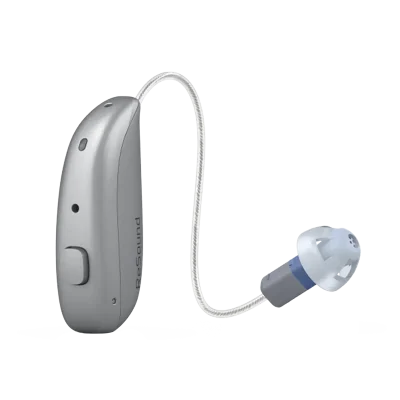
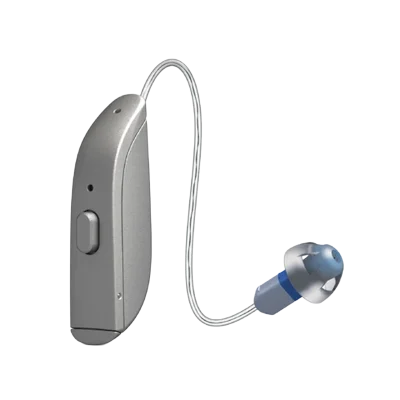
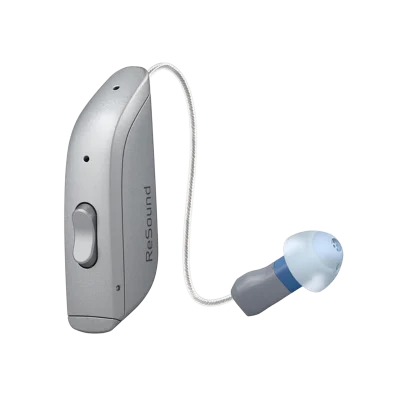
ReSound Nexia RIE series

ReSound Nexia RIE Series Accessories & Compatibility Guide | Japebo

If you use ReSound Nexia RIE hearing aids, choosing the right accessories (like domes, receivers, and wax filters) is essential for comfort, sound quality, and a reliable fit. This guide explains how ReSound Nexia RIE Series accessory compatibility works, what options typically exist, and how to identify what you need before you buy.

What does “RIE” mean on ReSound Nexia?
RIE stands for Receiver-in-Ear. In a RIE setup, the speaker (receiver) sits in the ear canal and connects to the hearing aid by a thin wire. This design is popular because it’s discreet and can deliver clear sound, but it also means accessories must match the specific receiver setup.

Which accessory types are relevant for ReSound Nexia RIE Series?
Most day-to-day replacement parts and accessories for a ReSound Nexia RIE fitting fall into these groups:
Receivers (speakers)
The receiver is the sound output part that sits at the end of the wire in your ear. Receivers vary by power level and sometimes by size/length (how long the wire is). Matching the correct type is critical for both comfort and performance.

Domes (ear tips)
Domes are soft tips that sit on the receiver and help keep it in place. Dome style affects comfort, retention, bass response, and how “open” or “closed” the sound feels. Common dome families include open-style domes and more closed/power-style domes (names vary by system).

Wax filters / wax guards
Wax filters protect the receiver opening from earwax and moisture. Using the correct filter type helps prevent weak sound, distortion, or intermittent audio. Wax guard systems are not universal, so compatibility matters.

Retention locks and small fitting parts
Depending on the receiver and dome style, your Nexia RIE setup may use a small retention piece to keep the receiver stable in the ear. These parts must match your receiver/dome system.

ReSound Nexia RIE compatibility: what to check before ordering
To make sure you’re on the right page and choose correctly, confirm these details:

1) The exact hearing aid family: ReSound Nexia
This page is specific to ReSound Nexia RIE Series. Accessories can differ across ReSound families and generations, so always match to Nexia when possible.

2) Receiver type and power level
Receivers often come in different power outputs (for example, standard vs higher power). Ordering the wrong receiver can change loudness and sound balance, and may not fit your earmould/dome setup.

3) Receiver wire length (left/right)
Receiver wires typically come in different lengths and are ear-specific (left vs right). If your current receiver feels tight or slips out, wire length may be part of the issue.

4) Dome coupling / connection system
Domes attach to the receiver in a specific way. If the dome doesn’t “click” or seat securely, it may be the wrong dome system for your receiver.

5) Wax filter system
Wax guards are one of the most common points of confusion. Even within the same brand, multiple wax filter formats exist. Match the filter to your receiver outlet and current filter type.

How to choose the right ReSound Nexia RIE accessories
If you want more comfort
Consider a different dome size (small/medium/large) or a more open dome style if you feel pressure. If the receiver moves, a retention lock (if compatible) can improve stability.

If you want more bass or less “thin” sound
A more closed dome style can increase bass and reduce sound leakage, but it may also increase the “occlusion” feeling (your own voice sounding louder). This is a balance between sound and comfort.

If you have feedback (whistling)
Feedback is often caused by a poor seal, incorrect dome size, or a dome that doesn’t fully sit on the receiver. A more secure fit (or a more closed dome) may help, but feedback can also indicate a receiver issue.

If sound is weak or cutting out
First check the wax filter and replace it if it looks blocked. Also inspect the dome for debris and make sure it is firmly attached. Intermittent sound can also be caused by a failing receiver cable.

Common issues with RIE accessories (and quick fixes)
Dome keeps falling off
This usually means the dome is the wrong connection type for the receiver, or it’s stretched/worn. Replace the dome and confirm it matches your receiver system.

Receiver feels loose or works its way out
Try a different dome size or add a compatible retention lock. If the wire length is too long, a shorter length may sit more securely.

Blocked or muffled sound
Replace the wax filter and dome. Wax protection is a consumable—regular replacement prevents many sound issues.

Buying ReSound Nexia RIE Series accessories online (what to look for)
When purchasing ReSound Nexia RIE accessories, look for product pages that clearly state:

Compatibility with ReSound Nexia RIE
Receiver power type and wire length options (if applicable)
The dome system or coupling type
The exact wax filter format

If you’re unsure, compare with the reference number on your current packaging (if you still have it) or match visually to the part you are replacing.

FAQ: ReSound Nexia RIE accessories
Are ReSound Nexia RIE domes universal?
No. Domes must match the receiver and coupling system. Even small differences can mean the dome won’t attach securely.

How often should I replace wax filters?
It depends on earwax production and humidity, but many users replace wax guards regularly (often every few weeks). If sound becomes weaker or dull, check the filter first.

Can I change receiver power level myself?
Receivers are replaceable, but power level changes can affect sound and fitting. If you are switching type (not just replacing the same one), it’s best to confirm compatibility and fitting requirements first.

How do I know my receiver wire length?
Some receivers have markings indicating length and side (L/R). If not, compare your existing receiver to the length options listed on the product page or consult your fitting information.

Shop ReSound Nexia RIE Series parts with confidence
ReSound Nexia RIE accessories are all about the right match: receiver type, dome coupling, and wax protection system. Once you identify your current setup, you can replace parts quickly and keep your hearing aids performing at their best.