Products
ReSound Vea BTE Series Accessories & Compatibility Guide | Japebo
If you’re looking for the right ReSound Vea BTE Series accessories, the most important step is confirming which exact Vea BTE model and sound outlet you have (classic tube, thin-tube, or an earmould setup). This guide explains what typically fits the ReSound Vea BTE range, how to choose the correct parts, and what to do if you’re unsure—so you can order confidently.
What is the ReSound Vea BTE Series?
ReSound Vea is a family of behind-the-ear (BTE) hearing aids. In practice, “BTE” can be configured in different ways, and the accessories you need depend on how sound is delivered to your ear:
BTE with earmould (hook + sound tube to a custom earmould)
BTE with thin-tube (a slimmer tube to a dome or small earpiece)
Depending on configuration, some users may have replaceable parts at the ear end (e.g., domes), while others primarily replace tubing or filters.
The key takeaway: ReSound Vea BTE accessories are configuration-specific. Choosing based on “Vea” alone can be too broad—so it’s worth verifying the part type you currently use.
Accessory types commonly used with ReSound Vea BTE
1) Tubes (standard or thin-tube)
If your ReSound Vea BTE uses tubing, you’ll typically replace it when it becomes stiff, yellowed, or starts slipping—or if you notice reduced sound quality. There are two common categories:
Standard tubing (often used with earmoulds)
Thin-tube / slim-tube (used with dome fittings)
How to choose: match the tube type you already have and verify the length and left/right side marking (many thin-tubes are side-specific).
2) Domes (if you have a thin-tube fitting)
Many Vea BTE wearers with a thin-tube setup use soft ear domes. Domes affect comfort, retention, and sound (especially bass and feedback control).
Common dome styles:
Open domes for a more ventilated feel and natural sound (often for mild to moderate losses)
Tulip / double domes for a slightly more closed fit without feeling fully “plugged”
Closed domes for more bass and reduced sound leakage (can help with feedback)
How to choose: match the dome style and size you currently wear. If you’re between sizes, comfort and seal matter—too small can whistle (feedback), too large can feel sore or won’t sit deeply enough.
3) Earhooks and mould-related parts (if you wear an earmould)
If your Vea BTE connects to a custom earmould, you may have a replaceable earhook (the curved plastic part on the hearing aid) and standard tubing. These parts can wear over time and may contribute to poor retention, discomfort, or sound issues.
How to choose: earhooks are model- and style-specific. The safest approach is to match the exact shape/material of the hook you already have or confirm the part number with your hearing care professional.
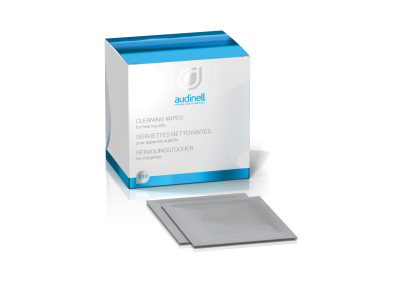
4) Wax protection (filters/guards) & cleaning items
Wax protection is usually relevant at the ear end (especially on thin-tube fittings and some earmould solutions). If your setup includes wax guards or filters, replacing them regularly can prevent sudden sound dropouts.
How to choose: identify which wax protection system you use today. If you’re unsure, compare visually (shape/colour) or check your original packaging.
ReSound Vea BTE compatibility: how to confirm you’re buying the right part
Because “BTE” can mean different fittings, use this quick checklist before purchasing:
Look at the ear end: Do you have a dome (soft silicone tip) or a custom earmould?
Check the tube style: Is it a thin, clear slim-tube or a thicker standard tube?
Check left/right markings: Many tubes and some components are side-specific.
Match what you already use: the easiest way to ensure compatibility is to replace like-for-like (same type, same size).
If you can, also check your hearing aid paperwork or ask your clinic for the exact fitting details. A small difference in tube type or dome coupling can prevent a secure fit.
How to choose the right ReSound Vea BTE accessories (simple selection guide)
Start with what needs replacing: domes (comfort/hygiene), tubes (stiff/yellow), filters (sound dropouts), or hooks (cracked/loose).
Match the current setup: same dome style + size, same tube type + length.
Adjust only if you have a reason (e.g., feedback → try a more closed dome; poor comfort → try a different size).
When in doubt, confirm first: a quick visual comparison or part number check reduces the risk of ordering the wrong accessory.
Common issues (and which accessory usually fixes it)
Whistling / feedback: dome too open or too small, tube not seated properly, or poor seal with earmould. Consider checking fit, replacing a stretched dome, or using a more closed option if recommended.
Sound is weak or cuts out: wax blockage at the ear end, clogged filter/guard, or tube moisture. Replace wax protection (if applicable) and inspect/replace tubing.
Discomfort or itching: dome size mismatch, worn dome material, or tube positioning. Replace domes regularly and ensure correct size.
Tube keeps slipping off: tubing has hardened or stretched. Replace the tube and verify correct length.
Buy ReSound Vea BTE Series accessories at Japebo
Japebo helps you find the right replacement parts for your ReSound Vea BTE Series setup—whether you need new domes, replacement tubing, wax protection, or cleaning essentials. If you’re unsure which variant you have, start by identifying your current fitting (dome vs earmould, thin-tube vs standard) and replace like-for-like for the safest match.
FAQ: ReSound Vea BTE accessories
Are all ReSound Vea BTE accessories interchangeable?
No. Compatibility depends on your fitting (thin-tube vs earmould) and the specific component type/size. “Vea BTE” is a broad family name, so always match the part style you currently use.
How often should I replace domes or tubes?
Domes are typically replaced regularly for hygiene and comfort (often every few weeks, depending on wear and wax). Tubes are replaced when they stiffen, discolour, or no longer fit snugly (commonly every few months, depending on use).
How do I know my dome size?
The most reliable method is to match the size you’re already wearing. If you no longer have packaging, compare visually to your current dome and choose the same diameter/style. If feedback increases after changing domes, the size or openness may be incorrect.
My hearing aid suddenly sounds quieter—what should I check first?
Check for wax blockage at the ear end (including any wax guard/filter if your setup uses one) and inspect the tube for moisture or blockage. These are common causes of sudden volume drop.
Can I switch from open domes to closed domes?
In many thin-tube fittings, yes—but it changes acoustics and ventilation. A more closed fit can reduce feedback and increase bass, but may feel more occluding. If your hearing aid is programmed for a specific dome type, you may need an adjustment by your hearing care professional.