

Products
Behind The Ear (BTE) Hearing Aid Accessories & Compatibility Guide | Japebo
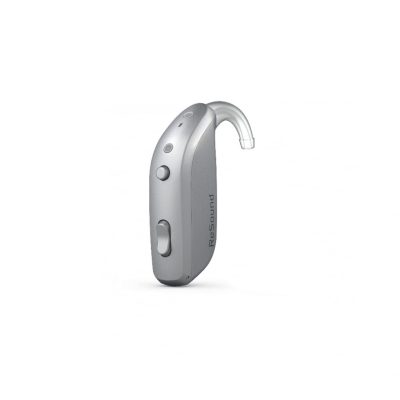
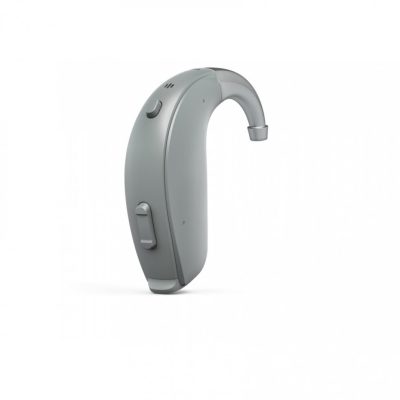
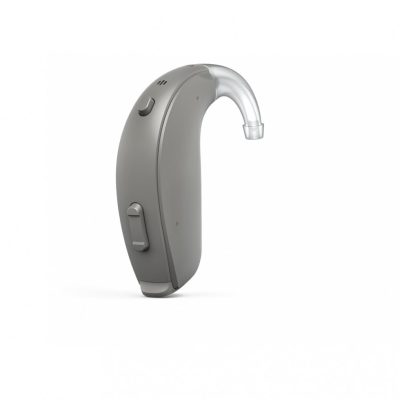
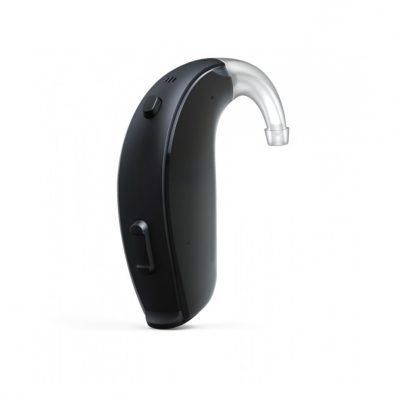
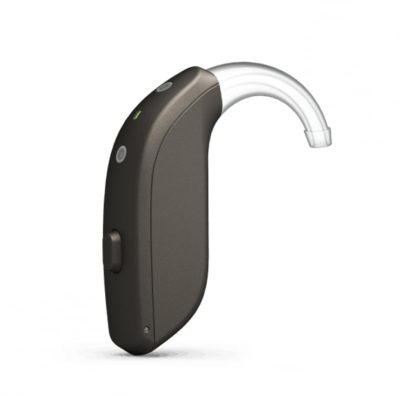
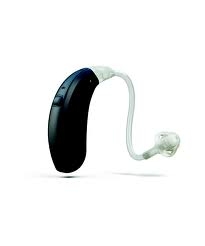
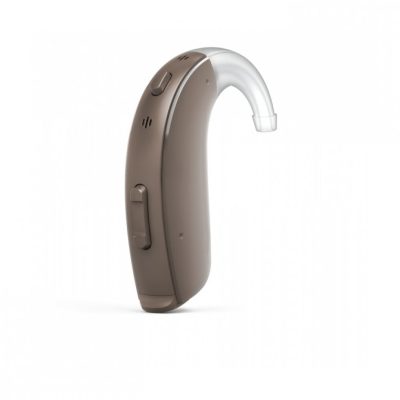
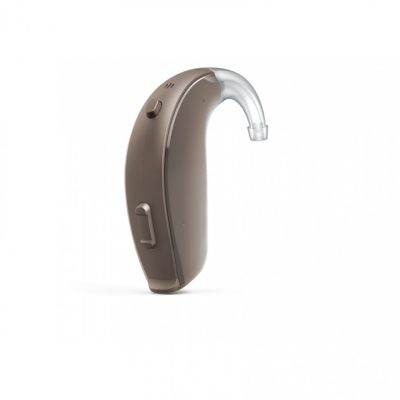
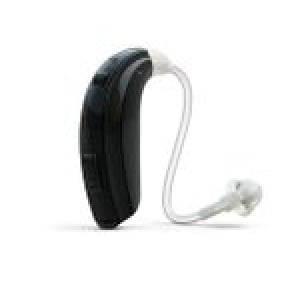
Behind The Ear Instruments (BTE) are a popular hearing aid style where the main device sits behind the ear and sound is delivered into the ear via tubing or a slim tube and earpiece. This page helps you identify what type of BTE solution you have and choose the right compatible accessories—so you can replace worn parts, improve comfort, and keep your hearing aid working reliably.
What is a BTE hearing aid (and why accessories matter)
A BTE hearing aid typically connects to your ear in one of two ways:
Classic BTE with earmould + tube (a custom mould in the ear connected by a thicker tube).
Slim-tube / miniFit-style BTE (a thinner tube ending in a dome or small earpiece).
Because BTE systems rely on external parts (tubes, domes, moulds, filters, and retainers), these components wear out faster than the hearing aid itself. Replacing them on time can reduce whistling/feedback, improve sound quality, and make the fit more comfortable.
How to check compatibility before you buy
BTE accessories are not universal. Compatibility depends on the brand, the hearing aid family, and the connection type (tube size, receiver/tube coupling, and earpiece style). Use these checks to avoid ordering the wrong part:
Look for the exact model name on your hearing aid (often printed inside the battery door or in your fitting documents/app).
Identify the ear connection: earmould + tube, slim tube + dome, or receiver-in-canal style (RIC) that looks similar to BTE but uses a receiver wire.
Match sizes where relevant (e.g., tube diameter/length, dome size, left/right markings).
Check your current part for codes/markings (many tubes, filters, and domes have identifiers).
If you are unsure whether your device is a classic BTE, slim-tube BTE, or actually a RIC, compare against your existing parts—especially whether there is a removable receiver wire (RIC) or a tube (BTE).
Common BTE accessories (what they do)
Tubes (classic and slim tubes)
Tubes carry sound from the hearing aid to the earmould or earpiece. Over time they can harden, discolor, or crack, which can cause poor sound, looseness, or feedback. Replacing tubes restores comfort and stability. Make sure to match the type (classic vs slim), length, and coupling style.
Earmould parts
If you use a custom earmould, you may need compatible tubing, hooks/adaptors, or mould-related components depending on your brand and setup. A good seal is essential for strong sound and reduced whistling.
Domes and tips (for slim-tube BTE)
Domes sit in the ear canal and affect comfort, retention, and sound (especially bass and feedback control). Different styles (open/vented/closed/power) can change how your hearing aid sounds. Always match the dome system to your tube/earpiece connection and choose the size that seals comfortably.
Wax protection
Even with BTE styles, wax and moisture can block the sound outlet in the earpiece or mould. Using the correct wax filters/guards (where applicable) helps maintain sound quality and prevents downtime.
Retention and stability parts
Small accessories like retention locks or sports locks help keep the earpiece in place, especially for active wearers. These must match your specific earpiece/tube system.
How to choose the right BTE accessory (quick decision guide)
If you have an earmould: you most likely need classic tubing and possibly a compatible hook/adaptor.
If you have a small dome on the end of a thin tube: you likely need slim-tube domes and potentially the matching tube system.
If there is a thin wire going to the ear (not a tube): you may have a RIC system, meaning you’ll need receiver-related accessories instead of BTE tubes.
When replacing an existing part, the safest approach is to match the same system and size you already use—unless your hearing care professional has recommended a change for comfort or sound reasons.
Troubleshooting: typical BTE issues and what to replace
Whistling/feedback: check for poor seal (dome too small, tube loose, mould fit) or hardened tubing.
Weak or muffled sound: check for blockage (wax/moisture), damaged tubing, or a blocked sound outlet.
It keeps falling out: try the correct dome size or add the matching retention accessory.
Discomfort: change dome size/type or replace old tubing that has stiffened.
Buy BTE accessories online at Japebo
Japebo makes it easy to find replacement accessories for Behind The Ear (BTE) hearing aids. Choose accessories that match your connection type and size, and replace worn parts regularly to keep sound clear and fit secure. If you’re between sizes or unsure about compatibility, start by identifying your current tube/dome system and model name before ordering.
FAQ: Behind The Ear (BTE) accessories
Are BTE accessories universal?
No. Many BTE parts are brand- and system-specific. Always match your hearing aid’s model/family and the exact tube/dome or mould connection.
How often should I replace BTE tubes or domes?
It depends on wear, skin oils, and cleaning habits. Replace when you notice stiffness, discoloration, cracks, poor fit, or changes in sound/feedback.
How do I know if I have BTE or RIC?
Classic BTE uses tubing (thicker or slim). RIC uses a thin receiver wire with the speaker in the ear. If you see a detachable wire running into the ear instead of a tube, it’s likely RIC.
Can changing dome type affect sound?
Yes. More open domes often feel airy but may reduce bass; more closed/power domes can increase bass and reduce feedback but may feel more occluding. Only change type if you know what you’re aiming to improve.