
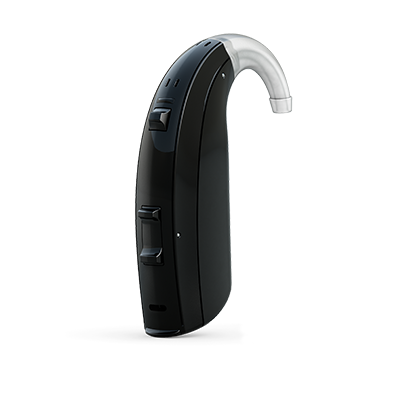
ReSound Key BTE series

ReSound Key BTE Series Accessories & Compatibility Guide | Japebo

Looking for the right accessories for your ReSound Key BTE series hearing aids? This guide helps you identify what fits, how to choose the correct parts, and how to solve common fit and sound issues. ReSound Key BTE models can be used with different ear-coupling setups (such as thin tubes with domes or custom earmolds), so compatibility depends on your exact configuration—not just the hearing aid name.

What “ReSound Key BTE” means for accessories
BTE means “behind-the-ear.” With ReSound Key BTE hearing aids, the accessories you replace most often are typically the parts that sit in or near the ear: domes, thin tubes (if your model uses them), and wax protection (varies by receiver/tube setup). Some users also need earhooks and tubing for earmold fittings.
The key to choosing correctly is understanding whether your ReSound Key BTE is fitted as:
1) Thin-tube + dome (open fit), or
2) Earmold + hook + tubing (more closed fit), or
3) RIE/RIC-style receiver setup (less common for pages labeled “BTE,” but sometimes mixed in depending on naming or retailer listings).

Which accessories are typically compatible with ReSound Key BTE?
ReSound Key BTE fittings usually use accessories from ReSound’s BTE fitting ecosystem. In practice, the most relevant categories are:
Domes (ear tips)
Domes affect comfort, retention, and how much sound and ventilation you get. Common dome styles include open domes (more ventilation), tulip domes (a bit more sealing), and closed/power domes (more sealing and stability). The correct dome depends on your tube/receiver type and the size recommended in your fitting.

Thin tubes / sound tubes
If your ReSound Key BTE uses a thin-tube fitting, tube compatibility depends on the tube system and length. Tube length is often marked with a number (and sometimes left/right). Replacing the tube with the right length helps prevent feedback, poor sound direction, or discomfort behind the ear.

Earmold hooks and tubing (for earmold fittings)
If you have a custom earmold, you may use an earhook (the plastic hook on the hearing aid) and earmold tubing. These parts matter for retention, sound delivery, and moisture management.

Wax protection / filters
Wax protection depends on what sits in the ear (tube end, receiver, or earmold sound bore). Some ReSound configurations use specific wax filters, while others rely more on cleaning and periodic tube replacement. If you’re unsure, match the filter type to your current part (or check your fitting documentation).

How to choose the correct ReSound Key BTE accessory
Use these checks to avoid buying the wrong part:
1) Identify your ear-coupling type
Look at the part going into your ear:
Dome: soft silicone tip at the end of a thin tube/receiver.
Earmold: custom molded piece (often acrylic or silicone) with a tube attached.

2) Match the connection style
Domes and tubes are not universal. The connection at the end of the tube/receiver must match the dome type. If your current dome clicks on firmly and looks like your replacement, you’re likely on the right track.

3) Choose the right size
Dome sizes are typically small/medium/large (exact naming may vary). If the dome is too small, it can slip and whistle; too large, and it can feel sore or block sound. When in doubt, check what size you currently wear or consult your fitter’s notes.

4) Consider your sound goal (open vs closed fit)
More open domes feel lighter and reduce “plugged ear” sensation, but may leak sound and increase feedback risk. More closed/power domes can improve bass and stability, but may feel more occluding. Your hearing care provider’s setting is tuned to the coupling type—changing dome style can change sound and feedback.

Common problems (and what accessory to check)
Whistling / feedback
Often caused by a dome that’s too small, a poor seal, a torn dome, or a tube that’s kinked or not seated properly. Try replacing the dome first and ensure the tube sits correctly.

Sound is weak or intermittent
Check for wax blockage and moisture. Replace the dome and inspect the tube for blockage or discoloration. If you use an earmold, check the tubing for hardening or cracks.

Discomfort or soreness
Try a different dome size or a more ventilated option if appropriate. If discomfort persists, your fit may need adjustment.

When should you replace ReSound Key BTE domes and tubes?
As a rule of thumb:
Domes: replace regularly (often every few weeks to months) depending on wear, hygiene, and softness.
Thin tubes/tubing: replace when stiff, discolored, kinked, or if sound quality drops—many users replace on a scheduled basis to maintain performance.

Buy ReSound Key BTE accessories at Japebo
At Japebo, you’ll find accessories that match ReSound fittings—so you can restore comfort, stability, and sound quality without guesswork. If you’re unsure which part fits your ReSound Key BTE series hearing aids, compare the shape/connection to your current accessory and choose the same type and size.

FAQ: ReSound Key BTE accessories
Are ReSound Key BTE domes universal?
No. Domes must match the tube/receiver connection system. Always choose the same style/connection as your current dome unless your hearing care provider has advised a change.

Can I switch from open domes to closed domes?
You can physically change domes if they use the same connection, but it may change sound and feedback behavior. For best results, consult your hearing care provider before changing coupling type.

How do I know my tube length?
Tube length is often printed on the tube near the ear or indicated in your fitting information. Matching the same length (and left/right if applicable) is the safest approach.

What if I can’t find my exact ReSound Key BTE model?
Accessory compatibility is usually determined by the fitting system (tube/earhook/receiver type) rather than the marketing name alone. Match your current parts by type, connection, and size.