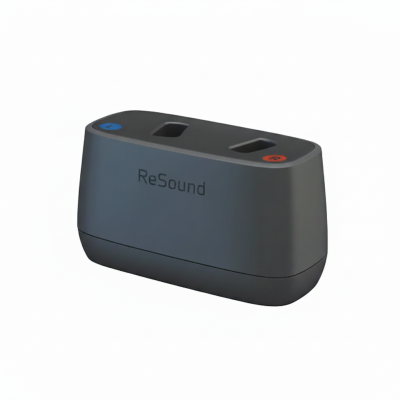
ReSound Nexia BTE series

Products

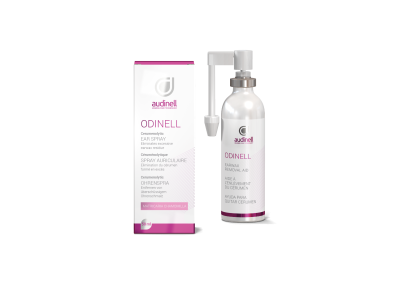
NELL1 ODN-59

Odinell Ear Spray

11.90 £
16.58 £
This product has multiple variants. The options may be chosen on the product page

ReSound Nexia BTE Accessories & Compatibility Guide | Japebo

If you’re looking for ReSound Nexia BTE accessories, the key is getting the right part for your exact Nexia behind-the-ear model. “BTE” can cover different fittings and connection types, and accessories like domes, receivers, and filters are only compatible with specific hardware. This guide explains how ReSound Nexia BTE compatibility works, what typically needs replacing, and how to choose correctly before you buy.

What is the ReSound Nexia BTE series?
The ReSound Nexia BTE series is a family of ReSound hearing aids worn behind the ear. Depending on your specific Nexia BTE configuration, sound may be delivered to the ear through a thin tube and earmould, or through a receiver worn in the ear (often referred to as a “receiver-in-canal” style). Because these setups use different consumables, the first step is identifying which type you have.

How compatibility works for ReSound Nexia BTE accessories
ReSound accessories and spare parts are rarely “one-size-fits-all”. Compatibility is typically determined by:

Fitting type (tube/earmould vs receiver-in-ear setup)
Connection system used by the hearing aid (e.g., receiver connection type)
Ear coupling size (dome diameter/shape, or earmould/tube dimensions)
Filter system (wax protection type varies by receiver/earpiece)

If you’re unsure, the fastest way to confirm is to check your current part (often printed with a name/code) or match by picture and description. If you can tell us what you currently use, it’s much easier to recommend the correct replacement.

ReSound Nexia BTE parts you may need (and what they do)

Domes (the soft silicone tips)
Domes sit in the ear canal and affect comfort, retention, and sound. The “right” ReSound dome depends on your receiver/earpiece and your preferred fit.
Choose based on: comfort, how open/occluded you want the ear to feel, and whether you need more retention.

Receivers (speaker units, if your Nexia BTE uses them)
If your Nexia BTE uses a receiver-in-ear setup, the receiver is the part that carries sound from the hearing aid to your ear. Receivers come in different power levels and lengths, and they must match the connection system used by your Nexia device.
Choose based on: the receiver type (connection), wire length (left/right), and power level recommended by your hearing care professional.

Wax filters (wax guards)
Wax filters protect the receiver/earpiece from earwax and moisture. Using the correct filter type is important—forcing the wrong filter can damage the sound outlet or simply not protect it properly.
Typical signs you need a new filter: reduced volume, muffled sound, intermittent sound, or no sound (after checking the battery/charging).

Tubes and earmould-related parts (if your Nexia is tube-fitted)
If your ReSound Nexia BTE delivers sound through a tube to an earmould, you may need replacement tubing or related coupling parts. Tubes can harden, discolor, or crack over time and should be replaced to maintain comfort and sound quality.

Retention and small fittings
Depending on your earpiece, you may use small retention parts to keep the earpiece stable in the ear. If your earpiece feels loose or slips out more than before, it may be a sizing/fitting issue rather than a problem with the hearing aid itself.

How to choose the correct ReSound Nexia BTE accessory
Use this quick checklist to reduce the chance of ordering the wrong part:

Identify your fitting type: tube + earmould, or receiver-in-ear.
Match what you currently use: compare your existing dome/receiver/filter to the product photos and names.
Check size markings: many receivers have length/power markings; domes are usually chosen by diameter and style.
Replace like-for-like first: if you’re happy with comfort and sound, choose the same type/size again.
If changing fit: move gradually (e.g., from open to closed dome) and be aware it may change both comfort and sound.

Common ReSound Nexia BTE issues (and the accessory fix)

Muffled or weak sound: replace the wax filter; check the dome/earpiece for blockage.
Whistling/feedback: try a better-sealing dome size, check for poor fit, or replace worn domes.
Sound cuts in/out: check the receiver cable and earpiece; replace worn parts.
Discomfort or itching: try a different dome size/style; replace domes more frequently.
Earpiece feels loose: consider a larger dome or retention solution (compatible with your earpiece).

Buy ReSound Nexia BTE accessories at Japebo
At Japebo, we focus on helping you choose correctly—so you can confidently order the right ReSound Nexia BTE domes, receivers, wax filters, and other wear parts. If you’re unsure which variation fits your Nexia model, compare your current part or contact us with a photo and any markings you can see.

FAQ: ReSound Nexia BTE accessories

Are all ReSound Nexia BTE accessories interchangeable?
No. Compatibility depends on your exact Nexia BTE configuration and the connection/filter system used. Always match the accessory type to your current setup.

How often should I replace domes on a ReSound Nexia BTE?
As a general rule, replace domes when they feel loose, look discolored, tear, or no longer feel comfortable. Many users replace them regularly to keep fit and hygiene consistent.

How do I know which wax filter my ReSound Nexia BTE uses?
The wax filter type is determined by the receiver/earpiece system. The safest approach is to match the exact filter you currently remove and insert (shape and dispenser style), or identify the receiver model first.

My sound is weak—do I need a new receiver?
Often, no. Weak sound is commonly caused by a blocked wax filter or debris in the earpiece. Replace the wax filter and check the dome before considering a receiver replacement.

Can I change from open to closed domes on ReSound Nexia BTE?
In many cases, yes—if the domes are made for your earpiece system and the size fits. Be aware that changing dome style can change sound and perceived loudness, so it may require adjustment.