ReSound LiNX 3D BTE series

ReSound LiNX 3D BTE Accessories & Compatibility Guide | Japebo

Looking for accessories that fit the ReSound LiNX 3D BTE series? This guide helps you confirm compatibility and choose the right parts for your specific LiNX 3D Behind-the-Ear (BTE) hearing aid setup—so you can order confidently and avoid mismatches.

What “ReSound LiNX 3D BTE” means (and why it matters for accessories)
The ReSound LiNX 3D family includes multiple styles and power levels. “BTE” refers to Behind-the-Ear models, which may be fitted in different ways (for example with a thin tube and dome, or with an earhook and earmould). The correct accessory depends on your exact fitting type—not just the name “LiNX 3D”.
In practice, the most important thing is to identify whether your LiNX 3D BTE uses:

Thin-tube + dome (common for open fittings)
Earhook + earmould (common for stronger amplification)
Receiver-in-ear (RIE) components (note: RIE is a different style than classic BTE, but some users search “BTE” broadly)

How to confirm which accessories are compatible with your LiNX 3D BTE
Use these quick checks before you buy:
1) Check the physical connection
Look at what attaches to the hearing aid:

If you see a thin clear/skin-coloured tube that runs to a dome, you’ll need tubes and domes that match your tube system.
If you see a firm earhook on the device and a thicker tube leading to an earmould, you’ll typically need an earhook (if replaceable) and tubing compatible with your mould.

2) Check your current parts (best method)
If possible, match your replacement to what you use today: the shape of the dome, the tube attachment, and any markings on the part or packaging. When you replace like-for-like, you minimize the risk of feedback, poor retention, or reduced sound quality.

3) If in doubt, identify the exact model name/code
Many ReSound devices have a model name or code in paperwork from your hearing care professional. If you can share that code, it becomes much easier to choose the correct accessory type and size.

Accessory types commonly used with ReSound LiNX 3D BTE
Depending on your fitting, you may need one or more of the accessories below:

Domes (ear tips)
Domes sit in the ear canal and affect comfort, retention, and sound (especially bass and feedback control). Common dome styles include open, tulip, and closed/power-style domes. The correct choice depends on your ear canal size and your hearing loss profile.

Tubes & earhooks
Tubes carry sound from the hearing aid to the ear. Over time they can harden, discolor, or loosen. If your LiNX 3D BTE uses an earmould, you may also have an earhook component that can wear out or snap and may be replaceable depending on the exact model.

Wax protection (filters/guards)
Wax protection prevents earwax and moisture from blocking the sound outlet. The correct filter type is highly dependent on the sound outlet design (and differs between BTE, thin-tube fittings, and RIE receivers). If you’re unsure which wax guard you need, compare the filter system you currently remove/replace.

Batteries & care items
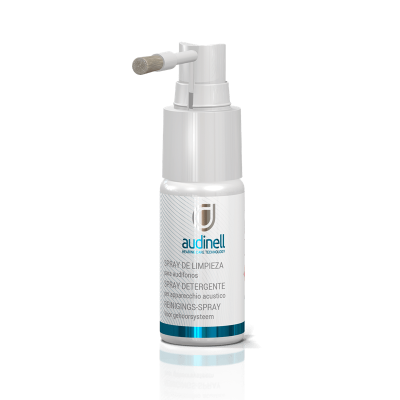
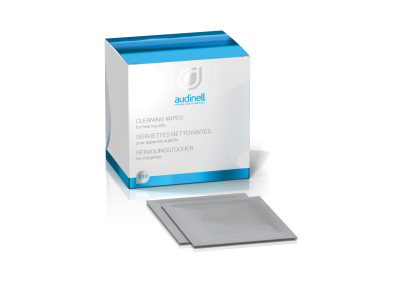
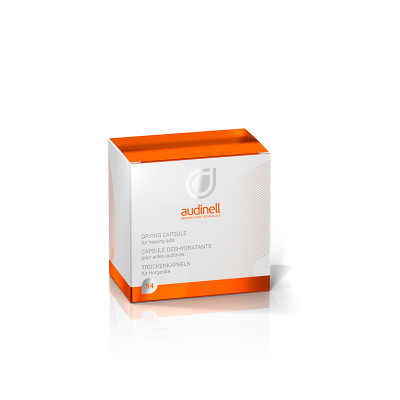
Many LiNX 3D BTE models use replaceable batteries (size depends on model). Regular cleaning tools and drying solutions can also help reduce moisture-related issues and extend the life of tubes and sound outlets.

How to choose the right option (avoid the most common mistakes)
Choose by fitting type first, size second
Most returns happen because users select a dome or filter that fits a different connector system. Start by confirming whether you have thin-tube + dome or earhook + mould (or an RIE-style receiver). Then choose the correct size (for domes) or exact filter system (for wax guards).

Match your current dome style unless advised otherwise
Switching from open to closed domes (or the other way around) can change sound balance and may increase feedback or occlusion. If your current setup works well, replace the same type and size.

Troubleshooting: symptoms and what accessory might fix it
Sound is weak or muffled
Most often caused by a blocked sound outlet: check and replace wax protection, then inspect any tube for moisture or blockage.

Whistling (feedback)
Often linked to a poor seal or loose fit: try a fresh dome of the same type, ensure it’s fully seated, and check that tubing/earhook connections are tight.

Dome/tube keeps falling off
This usually indicates wear, incorrect size, or a connector mismatch. Replace worn parts and ensure you’re using accessories designed for your LiNX 3D BTE fitting system.

Buy ReSound LiNX 3D BTE accessories with confidence
Once you’ve confirmed your fitting type and matched your current parts, you can choose the right ReSound LiNX 3D BTE accessories confidently. If you’re unsure between two options, the safest approach is to compare the connector and shape to your existing part—or consult your model details before ordering.

FAQ: ReSound LiNX 3D BTE accessories
Are all ReSound LiNX 3D accessories interchangeable?
No. Accessories depend on the hearing aid style (BTE vs RIE), the sound outlet design, and the fitting system (thin tube vs earhook). Always match your exact configuration.

Can I use any dome size if it feels comfortable?
Comfort matters, but so does acoustic performance. The wrong dome size/type can reduce bass, increase feedback, or affect speech clarity. If your current fit is good, replace with the same size and style.

How often should I replace tubes or domes?
It varies by use and earwax/moisture. Domes and tubes are typically replaced when they harden, discolor, loosen, or become difficult to clean. Replacing before failure often prevents sudden sound issues.

What if I’m not sure whether my device is BTE or RIE?
If a thin wire runs from the device to a small speaker in the ear canal, that’s usually RIE. If it’s a tube carrying sound from the device to the ear, that’s typically BTE. When in doubt, match the part you’re currently wearing.