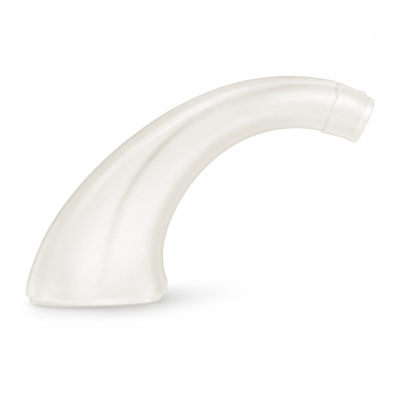
ReSound LiNX 3D BTE 77

ReSound LiNX 3D BTE 77 Accessories & Compatibility Guide | Japebo

If you’re looking for ReSound LiNX 3D BTE 77 accessories, the key is choosing parts that match your exact fitting and ear-piece setup. This guide explains which accessory types are typically used with ReSound LiNX 3D BTE 77, how compatibility works, and what to check before you buy—so you avoid ordering the wrong domes, filters, or receiver parts.

What kind of hearing aid is ReSound LiNX 3D BTE 77?
ReSound LiNX 3D BTE 77 is a Behind-The-Ear (BTE) model in the ReSound LiNX 3D family. BTE instruments can be fitted in different ways, and that choice determines which accessories fit:

BTE with thin tube + dome (common): uses domes and a tube system.
BTE with earmould: uses a custom mould and tubing; dome compatibility is usually not relevant.
RIC/RITE-style fittings (where the receiver sits in the ear): use specific receiver and dome systems (if your fitting is RIC rather than classic BTE).

If you’re unsure which configuration you have, check your current earpiece: a soft silicone dome indicates a dome/tube or RIC solution, while a hard acrylic/silicone custom mould indicates an earmould solution.

How compatibility works for ReSound LiNX 3D BTE 77 accessories
Accessories are rarely “universal” across all ReSound hearing aids. For ReSound LiNX 3D BTE 77, compatibility usually depends on:

Your coupling (dome/tube vs earmould vs receiver-in-ear).
The exact tube/receiver family fitted by your hearing care professional.
Size (domes come in different diameters; tubes come in different lengths).
Left/right (some parts are side-specific).

The safest approach is to match the accessory to what you already use: compare product name, type, and size to your current parts or packaging.

Common accessory types for ReSound LiNX 3D BTE 77

Domes (if you use a thin-tube or RIC-style earpiece)
Domes are the small silicone tips that sit in the ear canal. They affect both comfort and sound. Typical dome styles include:

Open domes: more ventilation; often used for mild hearing loss and a more natural occlusion-free feel.
Tulip domes: a balance between openness and retention.
Closed domes: less venting; can help with feedback control and low-frequency amplification.
Power domes: most sealed; typically for stronger amplification needs.

How to choose: start by matching the style and size you already wear. If feedback (whistling) is an issue, a more closed option may help. If your ear feels blocked, an open option may feel better—if your hearing loss and fitting allow it.

Tubes and earhooks (BTE tube fittings)
If your ReSound LiNX 3D BTE 77 is fitted with a thin tube, the tube length and connection type must match your instrument. Some BTE fittings also use an earhook (especially with earmoulds). Replacing tubes on time helps reduce sound dropouts and improves comfort.
How to choose: match the tube type and length to your current tube (often printed/marked on the tube or shown on the packaging). If your device uses an earmould, ensure the earhook size/type matches your current one.

Wax filters / wax guards (if your earpiece uses them)
Wax protection prevents earwax and moisture from blocking the sound outlet. Not every BTE setup uses wax guards (earmoulds and some tube systems differ), but many ear-level sound outlets do.
How to choose: wax filters are highly system-specific. Only order the same filter type you currently use (shape and dispenser style matter). If you don’t see a wax guard at the sound outlet, you may not need this accessory.

Cleaning and care items
Even when parts differ by fitting, care accessories are broadly useful for ReSound LiNX 3D BTE 77 users:

Cleaning brushes and loop tools
Drying solutions (especially if moisture is a recurring issue)
Disinfecting wipes suitable for hearing aids

Regular cleaning reduces blockages and helps keep your sound consistent day-to-day.

How to make sure you buy the right part

Identify your current earpiece: dome, mould, or receiver-in-ear.
Match the type: open/closed/power dome, tube family, wax filter model.
Match the size: dome diameter, tube length, side (L/R) if relevant.
Compare to your packaging (best), or take a close photo of the part you’re replacing.

If you’re between two sizes, comfort and retention are usually the deciding factors: too small can leak sound and fall off; too large can irritate the ear.

Common problems—and what the right accessory can fix

Whistling/feedback: try a better seal (different dome style/size) and replace worn domes.
Muffled or weak sound: check for wax or moisture blockage; replace wax filters (if used) and clean/replace domes or tubes.
Dome falls off: size up or switch to a style with better retention.
Ear feels sore/blocked: try a more open style or adjust size (but keep your hearing needs in mind).

Buy ReSound LiNX 3D BTE 77 accessories at Japebo
At Japebo you’ll find accessories intended to match ReSound fittings—so you can replace worn parts, improve comfort, and keep your ReSound LiNX 3D BTE 77 performing as it should. If you’re unsure which accessory you need, start by identifying the parts you already use and match type and size before ordering.

FAQ: ReSound LiNX 3D BTE 77 accessories

Are all ReSound domes compatible with ReSound LiNX 3D BTE 77?
No. Dome compatibility depends on the tube/receiver system fitted to your hearing aid. Always match the dome family and size to your current setup.

How often should I replace domes or tubes?
Many users replace domes every few weeks (or sooner if they harden or discolor). Tubes are often replaced when they stiffen, discolor, or reduce sound quality—intervals vary by use and earwax/moisture levels.

Do I need wax filters with a BTE hearing aid?
Sometimes. Some BTE fittings use wax protection at the sound outlet (especially with certain earpieces), while earmould/tube setups may rely on different cleaning routines. Check your current earpiece for a replaceable guard.

What if I’m not sure whether my ReSound LiNX 3D BTE 77 uses a dome or an earmould?
If the part in your ear is a soft silicone tip, it’s a dome setup. If it’s a custom-shaped mould filling more of the outer ear, it’s an earmould setup—those typically use different tubing and not domes.