
Products
Phonak Q BTE (Quest) Series Accessories & Compatibility Guide | Japebo
If you’re looking for Phonak Q BTE (Quest) Series accessories, you’re in the right place. This guide explains what “Q BTE (Quest)” means, how compatibility works for this Phonak hearing aid family, and how to choose the correct accessories for your specific device and earhook/tubing setup.
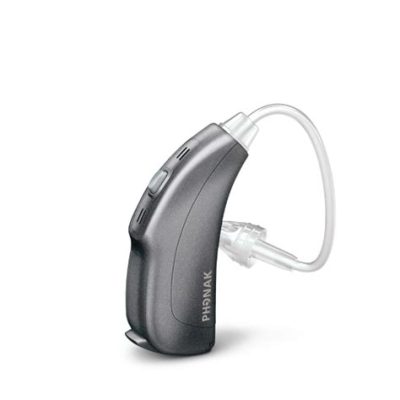
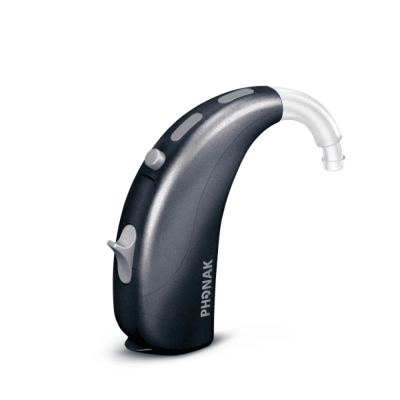
The Phonak Q BTE (Quest) range includes behind-the-ear (BTE) hearing aids that typically use an earhook + tube system and either an earmold or thin-tube/dome solution (depending on configuration). Because BTE fittings can vary, the most important step is identifying which sound delivery setup you have before selecting parts.
What is the Phonak Q BTE (Quest) series?
Phonak “Quest” (often written as Q) is a technology platform used in several Phonak hearing aid models. The Q BTE models are classic behind-the-ear devices designed for durability and a wide range of hearing losses. Accessories for Q BTE devices most commonly relate to:
Sound delivery parts (earhooks, tubing, domes, earmold-related items)
Maintenance parts (wax protection/cleaning tools depending on the fitting)
Power (batteries, battery doors in some cases)
How compatibility works for Phonak Q BTE (Quest) accessories
With Phonak Q BTE (Quest) devices, accessory compatibility is usually determined by:
Your exact hearing aid model (printed on documentation, sometimes on the device body)
Your earhook type (standard earhook vs. filtered earhook in some fittings)
Your tube type (standard tubing to a custom earmold vs. thin tube to a dome)
Your ear-side setup (earmold vs. domes)
If you’re unsure, a quick way to confirm is to check whether your hearing aid connects to a thicker clear tube that goes into a custom earmold (common) or a thin tube leading to a small dome (also seen in some Q BTE fittings). Choosing parts that match this setup prevents common issues like whistling, poor sound, or discomfort.
Common accessory types for Phonak Q BTE (Quest)
1) Earhooks (elbows)
The earhook is the curved plastic part that attaches to the hearing aid and holds the tubing. If your current earhook is cracked, loose, discolored, or whistles more than usual, replacing it often helps. Compatibility depends on the BTE housing and the specific earhook style used on your Q model.
2) Tubing (standard or thin tube)
Standard earmold tubing is typically replaced periodically because it hardens over time, which can cause discomfort and feedback. Thin tube systems require the correct diameter and length to keep the fit stable and sound balanced.
3) Domes (only if your Q BTE uses a thin-tube fitting)
Some Phonak Q BTE fittings use domes rather than custom earmolds. In that case, choosing the correct dome style (open/vented/closed/power) and size is key to comfort and reducing whistling. If you’re not sure which dome you need, match it to your current dome’s shape and diameter, or confirm with your fitter’s notes.
4) Earmold-related parts (if you use a custom mold)
If you use an earmold, your key consumables are usually the tubing (and sometimes a specific hook/filter setup). A fresh tube often restores comfort and sound quality.
How to choose the correct Phonak Q BTE (Quest) accessory
Use these steps to reduce the risk of ordering the wrong part:
Identify the fitting type: earmold + standard tube, or thin tube + dome.
Check what’s currently on your device: earhook shape, tube thickness, and how it connects.
Match sizes where applicable: dome diameter or tube length should match your current setup unless your hearing care professional advised a change.
Look for signs you need replacement: hardened tubing, yellowing, cracking, loose fit, or increased whistling.
Troubleshooting: common issues and quick fixes
Whistling (feedback)
Common causes are hardened tubing, a poor dome fit, or a loose earhook/tube connection. Replacing tubing or switching to the correct dome size often resolves it.
Sound is weaker or muffled
Check for blockage in the tube or earmold, moisture in the tubing, or wax buildup at the ear-side opening. Cleaning or replacing the tube/dome can help restore sound.
Discomfort or poor retention
If the dome feels too small (falls out) or too large (sore), a size change may be needed. For earmolds, hardened tubing can change the way the mold sits—fresh tubing often improves comfort.
Buy Phonak Q BTE (Quest) series accessories at Japebo
Japebo offers a range of hearing aid accessories and replacement parts. Once you’ve identified your fitting type (earmold vs. thin tube/dome) and matched the part to what you currently use, you can select the compatible option with confidence.
FAQ: Phonak Q BTE (Quest) compatibility
How do I know if my hearing aid is a Phonak Q BTE (Quest) model?
Check your purchase documents or the model information provided by your hearing care professional. Many devices also have identifying information on the housing. If you can’t confirm the exact model, identifying the earhook and tubing type is a helpful starting point for accessory selection.
Do all Phonak Q BTE (Quest) devices use the same tubing?
No. Some are fitted with standard earmold tubing, while others use a thin tube system with domes. Choosing the wrong type can lead to fit and performance problems.
Can I switch from an earmold to domes (or vice versa)?
This is sometimes possible, but it depends on your hearing loss, comfort needs, and the hardware configuration. It’s best to confirm with a hearing care professional before changing fitting style.
How often should I replace tubing or domes?
It depends on wear and earwax/moisture exposure. Replace when tubing becomes stiff, discolored, cracked, or when domes lose their shape or grip. Replacing proactively can reduce feedback and improve comfort.