Oticon Ruby miniRITE T
Oticon Ruby miniRITE T accessories & compatibility guide | Japebo
If you wear an Oticon Ruby miniRITE T, choosing the right small parts matters for comfort, sound quality, and reliable performance. This guide helps you identify the most common Oticon Ruby miniRITE T accessories (like domes, wax protection, and receivers), understand what is usually compatible, and avoid buying the wrong type. If you’re unsure which part you need, start with what you can see on your hearing aid: the dome on the tip, the speaker/receiver wire that goes into the ear, and the wax protection closest to the sound outlet.
What are Oticon Ruby miniRITE T accessories?
Accessories and spare parts for the Oticon Ruby miniRITE T are the wearable items that typically need regular replacement. These parts are designed to keep the receiver-in-the-ear (RITE) system clean, comfortable, and working as intended:
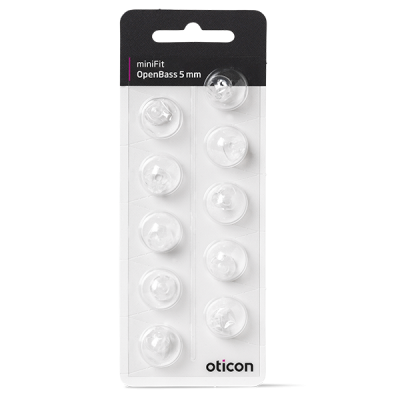
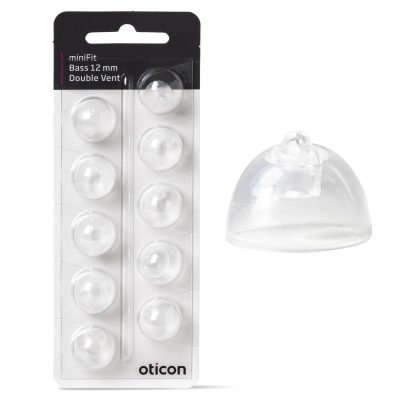
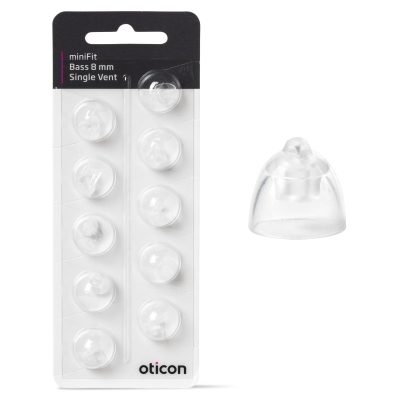
Domes (ear tips) – sit in the ear canal and affect comfort, retention, and sound (especially bass and feedback control).
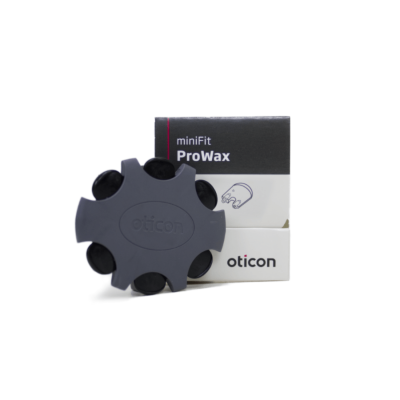
Wax filters / wax protection – protect the receiver from earwax and moisture and help prevent weak or distorted sound.
Receivers (speakers) – the small speaker on the end of the wire; chosen by power level and wire length.
Retention tails / sports locks (if used) – help keep the dome stable in the ear.
Cleaning tools – help you keep vents and sound outlets clear and extend the life of consumables.
Compatibility: how to make sure you buy the right parts
For Oticon Ruby miniRITE T, compatibility is mainly determined by the receiver platform and the type of dome/wax protection fitted to that receiver. Because Oticon has used different dome and wax-filter systems across product generations, the safest approach is to match what you currently use.
Step 1: Identify your dome type (what’s on the tip)
Look at the dome currently on your receiver. The shape and size often indicate which system you need (for example open vs. closed vs. power-style domes). If your dome clicks on firmly and has a specific stem design, you’ll generally need the same dome family again.
Step 2: Check the wax protection system
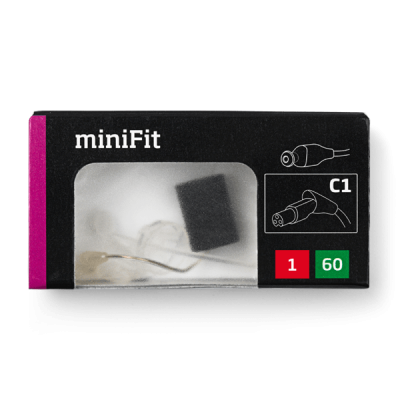
Most weak-sound problems come from a clogged wax protector. Your Ruby miniRITE T receiver will typically use a specific wax protection type that fits into or onto the receiver sound outlet. If you’re replacing wax filters, match the exact system you have (different Oticon wax guards are not always interchangeable).
Step 3: If you need a new receiver, match both length and power
Receivers are chosen by:
Wire length – usually marked on the receiver or noted in your fitting paperwork.
Power level – matched to your hearing loss and programmed settings.
Side – left and right receivers are different.
If you’re unsure, it’s better to confirm your receiver details before ordering, since an incorrect receiver can be uncomfortable or simply won’t fit correctly.
How to choose the right dome for Oticon Ruby miniRITE T
Your dome affects both comfort and sound. Use these practical guidelines for Oticon Ruby miniRITE T:
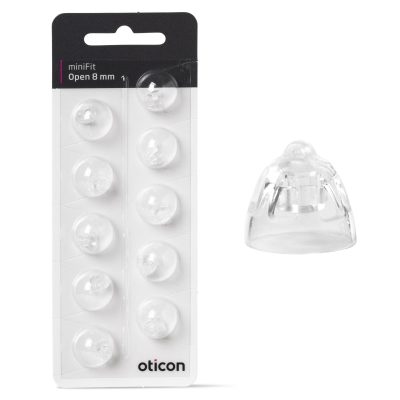
Open domes are often chosen when you want a more “open” feeling and less occlusion, typically for milder low-frequency loss.
Closed domes can improve bass and reduce whistling/feedback for some fittings.
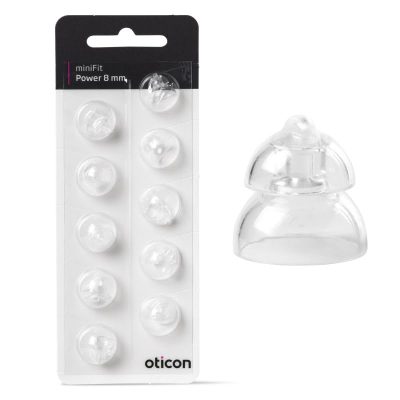
Power-style domes (more sealing) can help when you need more amplification and stable sound, but may feel more occluding.
Size matters: If a dome feels loose, works its way out, or feedback increases, you may need a larger size. If it feels sore or pressured, consider a smaller size or a different dome style.
Common problems (and what to replace first)
Sound is weak, muffled, or intermittent
Replace the wax filter first. If that doesn’t help, inspect the dome for blockage and consider replacing it. If problems persist, the receiver may be damaged and could need replacement.
Whistling / feedback
Try a fresh dome (old domes can lose shape). If the dome is too small, move up a size. If feedback continues, a more sealing dome type may help (depending on your fitting).
Dome falls off or stays in the ear
Replace the dome and ensure it is pushed fully onto the receiver until it feels securely attached. If this happens repeatedly, confirm you are using the correct dome family for your receiver.
Maintenance tips for Oticon Ruby miniRITE T
Replace domes regularly for hygiene and consistent fit.
Change wax filters whenever sound becomes weak or after exposure to heavy wax/moisture.
Wipe the receiver and dome daily; keep the microphone openings on the hearing aid body clean and dry.
Buy Oticon Ruby miniRITE T parts with confidence
When you order accessories for your Oticon Ruby miniRITE T, the goal is simple: match the same system you already have (especially wax protection and dome family), and only change type/size when solving a specific comfort or sound issue. If you want to double-check before buying, compare your current parts to the product photos/specifications or consult your fitting notes for receiver details.
FAQ: Oticon Ruby miniRITE T accessories
Which domes fit Oticon Ruby miniRITE T?
The correct domes depend on the receiver and dome system currently fitted. Match your existing dome family and then choose the size and style (open/closed/power) that matches your comfort and sound needs.
How do I know which wax filters to buy for Oticon Ruby miniRITE T?
Oticon uses different wax protection systems. The safest method is to identify the exact wax protector type currently on your receiver and reorder the same type.
When should I replace domes and wax filters?
Replace domes when they discolor, harden, lose elasticity, or no longer fit securely. Replace wax filters when sound becomes weak/muffled or if the filter looks clogged.
Do I need left and right receivers?
Yes. Receivers are side-specific (left/right) and must also match the correct length and power level.
Can I change dome type to improve comfort or reduce feedback?
Often yes. A different dome size or a more/less open dome style can improve comfort and reduce feedback, but it can also change sound. If you’re unsure, change one thing at a time (size first, then style).