Beltone True BTE

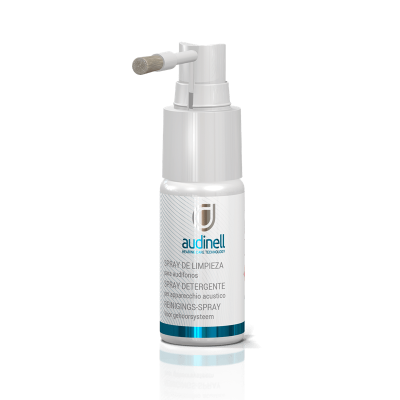
NELL1 SNI030-59

Cleaning Spray 30 ml

6.90 £

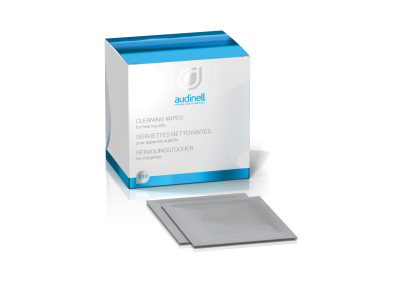
NELL1 SVI30-59

Cleaning Wipes

7.90 £

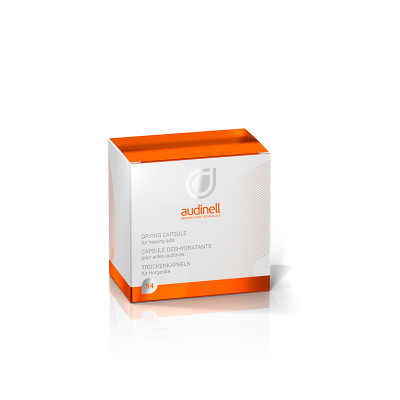
NELL1 4PA-59

Drying capsules

5.90 £

NELL1 ODN-59

Odinell Ear Spray

11.90 £

NELL1 FLS-59

Otofloss

14.90 £

NELL1 GL-59

SkinCare Gel

5.60 £

Beltone True BTE Accessories & Compatibility Guide | Japebo

Looking for the right Beltone True BTE accessories and not sure what fits your hearing aids? This guide is made to help you match accessories to the Beltone True BTE style, understand common compatibility points, and choose the correct parts with confidence—before you buy.

What “Beltone True BTE” means for accessory compatibility
BTE stands for Behind-The-Ear. With Beltone True BTE models, the hearing aid sits behind the ear and sends sound into the ear via either:

A thin tube to a dome (open/closed style) in the ear canal, or
A custom earmold connected with tubing (often used for more retention or more power)

Most accessory questions come down to how your Beltone True BTE is coupled to your ear (tube + dome vs earmold + tubing) and which connection/size your model uses.

Beltone True BTE accessory types (and what they do)

Domes (ear tips)
Domes sit in your ear canal and affect comfort, retention, and sound. If your Beltone True BTE uses a thin tube, you likely use domes. Common dome families include open and more closed styles (which can increase bass and reduce feedback, but may feel more occluding).
Choose domes by: fit/size, openness (open vs more closed), and the attachment type used on your tube.

Tubes (thin tubes / earmold tubing)
Tubing is a key compatibility point for Beltone True BTE hearing aids. Thin tubes must match:

The hearing aid end (the connector that clicks/pushes on the BTE hook/adapter)
The ear end (the dome attachment style and size)
Length (right/left and the correct tube length for comfort and sound positioning)

If you use a custom earmold, the tubing type and diameter must match both the earmold and the BTE connection.

Wax protection (wax filters/guards—if used on your setup)
Whether you need wax protection depends on the exact end piece and coupling. Some Beltone True BTE setups place replaceable wax protection at the ear end (especially if there is an earmold or specific sound outlet design). If you are unsure, compare the current part you are replacing or check your hearing care provider’s fitting notes.

Earmolds and related maintenance parts
Custom earmolds (and their tubing) are often chosen for stability, comfort, and stronger amplification needs. If you use an earmold, you may periodically need:

New tubing (hardening over time is common)
Cleaning tools or drying solutions (depending on your routine)
Replacement earmold parts if the fit changes

Batteries and everyday care items
Many Beltone True BTE hearing aids use disposable batteries (size depends on your exact model). If your device is rechargeable, look for the correct charger/cable instead. In either case, care items like cleaning wipes, drying capsules, or a drying box can help reduce moisture-related issues.

Which Beltone hearing aids does this page apply to?
This page is focused on Beltone True BTE hearing aids. Accessory fit can still vary by the exact True BTE variant and how it was fitted (thin tube vs earmold). If you are replacing an existing part, the safest approach is to match what you already use—especially for tubes, dome attachment style, and dome size.

How to choose the correct Beltone True BTE accessory
1) Identify your ear-coupling: dome or earmold

Dome + thin tube: you’ll typically need the correct dome type/size and the correct thin tube/length.
Custom earmold: you’ll typically need earmold tubing of the correct type/diameter and routine cleaning items.

2) Match the connection and size (don’t guess)
For Beltone True BTE accessories, the most common “wrong purchase” problem is a mismatch in connector type or size. Use these checkpoints:

Tube length marking: many thin tubes have a size/length marking—match it like-for-like.
Dome size and style: match the diameter and openness to what you currently wear unless your professional advised a change.
Left vs right: tubes are usually side-specific—confirm you’re ordering the correct side.

3) Choose based on your goal (comfort, retention, sound)
If you are intentionally changing accessories, use the goal to guide the choice:

More comfort / more “open” feel: consider a more open dome style (if appropriate for your hearing loss).
Less feedback / more bass: a more closed dome or earmold coupling can help (may feel more occluding).
More secure fit: a larger dome size or a retention solution may help, but avoid pain—fit should be snug, not sore.

Common Beltone True BTE issues (and the accessory that usually fixes it)
Sound is weak or muffled

Check for blockage at the ear end (wax/debris).
Replace the dome and/or check the tube for moisture or hardening.

Whistling / feedback

Try a better seal: correct dome size or a more closed dome style.
Check that the tube is seated correctly and not cracked.

Dome keeps falling off or slipping out

Confirm the dome is the right attachment type for your tube.
Try the next dome size up (comfort first).

I’m not sure what I currently have
If possible, remove one tube/dome and compare it to the product photos/specs on Japebo. If you’re between options, it’s better to confirm the exact tube/connector before ordering multiples.

Buy Beltone True BTE accessories online at Japebo
When you know your Beltone True BTE setup (thin tube + dome or earmold + tubing), choosing the right accessories becomes straightforward. Japebo carries compatible replacement parts and care items so you can restore comfort and sound quality quickly.

FAQ: Beltone True BTE accessories
Are all Beltone True BTE domes interchangeable?
No. Dome fit depends on the attachment style used by your tube/end piece and the dome size. Match your current dome family and size unless you have a specific reason to change.

How often should I replace domes and tubes?
Domes are typically replaced more often than tubes for hygiene and fit reasons. Tubes usually need replacement when they harden, discolor, crack, or trap moisture. Your usage and earwax/moisture levels can change the interval.

How do I know my tube length?
Many thin tubes have a small length/side marking. If yours does, match that marking. If not, compare the overall length and how the hearing aid sits behind your ear (a professional can confirm quickly if you’re unsure).

Can I use accessories from a different Beltone family on True BTE?
Not automatically. Even within Beltone, accessory compatibility can vary by connector and coupling. Use Beltone True BTE-specific matching and confirm your current parts.

What if I order the wrong accessory?
If you’re uncertain, order one pair/single item first (when possible) and confirm fit before stocking up. Matching your existing tube/dome is the most reliable method.