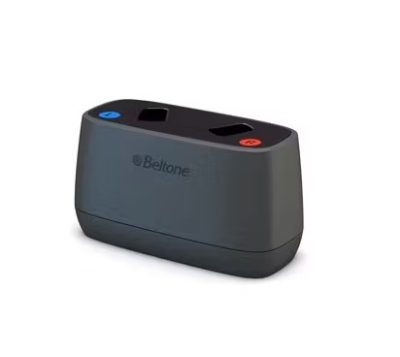
Beltone Imagine BTE 76

Beltone Imagine BTE 76 accessories & compatibility guide | Japebo

If you’re looking for Beltone Imagine BTE 76 accessories, the key is making sure the part you buy is compatible with your exact Beltone Imagine BTE 76 setup (and not just “Beltone” in general). This guide explains the most common accessory types used with Beltone BTE (behind-the-ear) hearing aids, how to confirm what you need, and how to avoid ordering the wrong item.

What the Beltone Imagine BTE 76 is (and why it matters for accessories)
The Beltone Imagine BTE 76 is a Beltone behind-the-ear hearing aid model. “BTE” typically means the main device sits behind the ear and sound is delivered into the ear via one of these common fittings:

Tubing + earmould (classic BTE setup)
Thin tube + dome (more discreet tube with a soft eartip)
RIE/RIC-style receiver (less common on true BTE models; depends on the exact fitting)

Because these fittings use different consumables (tubes, domes, filters, etc.), the “right accessory” depends on how your Imagine BTE 76 is fitted, not only the model name.

Most common accessories for Beltone Imagine BTE 76

Domes (if you use a thin-tube fitting)
If your Beltone Imagine BTE 76 uses a thin tube with a soft eartip, you’ll be replacing the dome regularly. Domes come in different styles (for comfort and acoustics) and different sizes (for fit).
How to choose domes: match the attachment type (how the dome connects to the tube) and then select the size and style recommended by your hearing care professional. If you’re unsure, compare your current dome shape and how it mounts onto the tube.

Hearing aid tubes (thin tubes or standard tubes)
Tubes are a key wear part on BTE fittings. Over time they can harden, discolor, or leak sound, which affects clarity and comfort.
How to choose tubing for Beltone Imagine BTE 76:

Identify whether you have thin tubes (slim, discreet) or standard tubes (thicker, used with earmoulds).
Match the length (often printed on the tube or determined by left/right fit) and the connection type at the hearing aid hook/earmould end.

Earmoulds (if you use a custom mould)
If your Imagine BTE 76 is used with an earmould, your consumables are usually the tubing and sometimes small components around the mould connection. Earmoulds themselves are custom-made, but the tube is typically replaceable.

Wax protection (varies by fitting)
Wax and moisture are major causes of reduced sound and intermittent performance. Depending on the ear-side part you use (dome/thin tube vs earmould), you may have:

No replaceable filter (cleaning and tube maintenance is the primary protection)
A replaceable wax guard/filter (more common when there is an ear-side sound outlet that supports it)

If you currently replace small filters, the safest way to match them is by comparing the exact filter system you have now (shape, color, and dispenser tool).

Batteries (if your model uses disposable batteries)
Some BTE hearing aids use disposable zinc-air batteries. To choose the correct type, check:

The battery door markings (often color-coded and/or numbered)
Your existing battery packaging (size number)

Using the correct battery size ensures proper fit and contact inside the battery compartment.

Cleaning & care (recommended for all Beltone BTE users)
Even with the right accessories, performance depends on maintenance. Items that commonly help BTE users include cleaning tools, drying solutions, and tube cleaning aids (where applicable). Regular care reduces moisture issues and extends the life of tubes and ear-side parts.

How to confirm compatibility before you buy
Use these checks to avoid ordering the wrong Beltone Imagine BTE 76 accessory:

Look at your fitting: thin tube + dome vs standard tube + earmould is the biggest divider in what you need.
Match what you already have: compare your current dome/tube/filter to the product photos and specifications.
Check any markings: tube length markings, left/right indicators, or printed codes can be crucial.
When in doubt, use your hearing aid paperwork: fitting details or part references from your clinic often specify the exact system.

Common problems with Beltone Imagine BTE 76 accessories (and quick fixes)
Sound is weaker or muffled

Check for blockage in the dome/tube/sound outlet.
Replace worn or hardened tubing.
If you use wax protection, replace the wax filter (if applicable).

Whistling/feedback

Try a better-sealing dome size (often going one size up helps).
Check that the dome is pushed on fully and the tube sits correctly.
Inspect tubing for cracks or loose connections.

Dome keeps falling off

Ensure you’re using the correct dome attachment type for your tube.
Replace domes regularly—stretched domes can loosen.

Where to buy Beltone Imagine BTE 76 accessories
At Japebo, you can shop compatible accessories for your Beltone Imagine BTE 76 by matching your current fitting (tube/dome/earmould) and selecting the right size and type. If you’re unsure which part you need, the safest approach is to identify the exact component you’re currently using and replace like-for-like.

FAQ: Beltone Imagine BTE 76 accessories
Are all Beltone accessories compatible with the Beltone Imagine BTE 76?
No. Compatibility depends on the fitting system (tube type, earhook, dome attachment, and any wax protection system). Always match the accessory to your current setup.

How do I know if I have thin tubes or standard tubes?
Thin tubes are slim and typically used with domes. Standard tubes are thicker and usually connect to an earmould. If you have a custom earmould, you almost always have standard tubing.

How often should I replace domes or tubes?
Domes are typically replaced more frequently than tubes, especially if they lose elasticity or comfort. Tubes should be replaced when they harden, discolor, or no longer hold shape well. Your usage level, earwax, and moisture exposure affect the interval.

What if I order the wrong accessory?
The best way to avoid mistakes is to compare your current part to the product details before ordering and confirm the connection type and size. If you’re uncertain, identify the part number or fitting system from your hearing care professional’s documentation.